Handheld gaming power: Steam Deck, ROG Ally, Lenovo Legion and rivals
The current wave of handheld gaming devices has turned portable play into a serious alternative to a desktop PC. Valve’s Steam Deck popularized the modern gaming handheld by pairing a custom AMD chip with SteamOS, and the newer Steam Deck OLED revision adds a brighter deck OLED screen with richer contrast. In testing by outlets such as Digital Foundry and PC Gamer (see their public benchmark roundups), the Steam Deck typically delivers around 30–40 fps in demanding titles like Elden Ring at medium settings, which is enough for many players who value comfort and portability.
Asus responded with the Asus ROG Ally, a Windows based handheld that behaves like a tiny gaming laptop without the keyboard. This Asus ROG design, sometimes nicknamed the rog xbox ally by fans because of its strong Xbox game pass integration, excels when you want to run Windows games, emulators, and cloud gaming services on one handheld device. Among compact gaming consoles, the ROG Ally stands out for its sharp 7 inch 1080p display, 120 Hz refresh rate, and impressive performance in demanding games, often hitting close to 60 fps at tuned settings in titles like Forza Horizon 5 according to third party benchmarks from enthusiast reviewers.
Lenovo entered the field with the Lenovo Legion Go, a larger handheld gaming system that borrows ideas from both the Nintendo Switch and PC tablets. The Lenovo Legion Go offers an 8.8 inch screen, detachable controllers, and strong performance, although its size pushes the limits of what many people call compact handhelds. If you prefer a more console like interface, the experimental Legion SteamOS concept and similar software layers aim to make Windows feel more like a living room game console while still keeping the best handheld flexibility.
Battery life, displays and ergonomics in compact handhelds
When you compare the best compact gaming consoles in handheld form, battery life quickly becomes as important as raw performance. A powerful gaming handheld such as the Steam Deck or ROG Ally can drain its battery in under two hours with a demanding game, while lighter indie titles may stretch battery life to four or five hours. The Steam Deck’s 40 Wh battery and the ROG Ally’s 40 Wh pack, for example, routinely deliver around 2–3 hours in AAA games and up to roughly 6 hours in 2D titles in independent run time tests reported by reviewers, so this trade off between performance and endurance defines how you will actually use these handhelds during commutes, flights, or evenings on the sofa.
Display technology also shapes the experience, especially with newer OLED panels. The Steam Deck OLED and other deck OLED style screens deliver deeper blacks and more vivid colours than older LCD panels, which makes games look great even at modest resolutions. Compact gaming consoles with OLED displays often feel more premium, and when you hold a 7 inch or 8 inch device close to your face, that extra contrast matters more than chasing a higher pixel count.
Ergonomics can make or break a handheld gaming session, because cramped controls or poor weight balance quickly cause fatigue. Devices such as the Asus ROG Ally and Lenovo Legion Go use sculpted grips and well spaced buttons to mimic a full size game console controller in a smaller shell. If you plan to use a compact handheld as your primary gaming device, test how it feels with a heavy game, check how warm it becomes, and pay close attention to how the triggers, sticks, and buttons respond over long sessions.
Retro handhelds and niche compact devices for enthusiasts
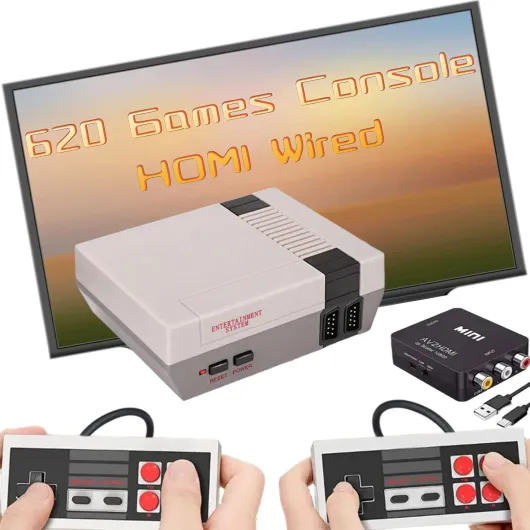
Not every player needs a Windows based powerhouse, because retro handheld systems focus on classic games with far lower hardware demands. Devices such as the Miyoo Mini and the Retroid Pocket series emulate consoles from the eight and sixteen bit eras, offering a nostalgic best handheld option for people who value simplicity. These compact gaming consoles often fit into a pocket beside your phone, yet they still handle thousands of classic game ROMs with ease.
More experimental devices such as the Ayaneo Flip and the MSI Claw target enthusiasts who want cutting edge performance in unusual form factors. The Ayaneo Flip folds like a tiny laptop, pairing a keyboard with a gaming handheld layout, while the MSI Claw leans on Intel hardware and aggressive cooling to chase higher frame rates. For players who already own a main game console such as an Xbox or PlayStation, these niche handhelds become secondary devices that complement rather than replace a living room setup.
Some compact systems blur the line between retro handheld and modern gaming device by supporting both emulation and native PC titles. A Retroid Pocket handheld, for example, can run Android games, cloud streaming apps, and classic emulators on the same small screen. When you evaluate the best compact gaming consoles in this niche, consider how often you will tinker with settings, how comfortable you feel with community firmware, and whether you prefer a simple game launcher or a fully open operating system.
Compact home consoles, Game Pass and ecosystem choices
While handhelds grab headlines, compact home consoles still offer the most straightforward way to enjoy games on a large television. Slim versions of the Xbox Series consoles and competing disc based systems deliver quiet performance in small enclosures, often matching or beating a mid range gaming PC in many titles. A detailed comparison of top disc based gaming consoles in this disc based console guide shows how these machines balance storage, noise, and physical media support.
Subscription services such as Xbox Game Pass change how you evaluate the best compact gaming consoles for a living room. An Xbox console paired with Game Pass gives access to hundreds of games, and many handheld gaming devices running Windows can also tap into the same subscription through cloud streaming or local installs. This ecosystem approach means your choice of game console, handheld, and PC now intertwines, because progress and purchases often carry across devices.
Some players even treat a compact Windows handheld as a portable extension of their Xbox or PC library. A ROG Ally or Lenovo Legion Go can run the Xbox app, access Game Pass, and stream from a home console, effectively becoming a rog xbox ally style companion device. When you weigh compact gaming consoles against each other, think less about a single best device and more about how each game console, handheld, and subscription service fits into your broader gaming life.
Practical buying guide for the best compact gaming consoles
Choosing among the best compact gaming consoles starts with clarifying where and how you play most. If you mainly game on the sofa with a television, a slim Xbox or PlayStation will still beat a handheld for comfort, while a Steam Deck or ROG Ally shines when you travel frequently. For mixed use, a powerful gaming handheld paired with a dock and controller can double as both a portable and a small living room game console.
Hardware specifications matter, but they only tell part of the story. Look at real world performance in the games you actually play, paying attention to frame rates, fan noise, and battery life under load. When a device such as the Steam Deck OLED or Lenovo Legion Go runs your favourite game smoothly at native resolution for several hours, that experience outweighs synthetic benchmarks or marketing claims.
Do not overlook accessories, because a compact console setup often relies on smart extras. A quality compact keyboard such as the esports focused model reviewed in this mini gaming keyboard test can transform a Windows handheld into a tiny workstation between game sessions. Before you commit, read full reviews from multiple outlets, compare warranty terms, and consider how each device will age as new games push hardware harder.
Optimizing your compact setup for performance and comfort
Once you own one of the best compact gaming consoles, careful setup helps you extract maximum value. On Windows based handhelds such as the Asus ROG Ally, Lenovo Legion Go, Ayaneo Flip, or MSI Claw, tuning power profiles can dramatically improve both performance and battery life. Lowering frame rate caps, adjusting resolution, and using upscaling technologies often yields smoother games without overwhelming the small cooling systems inside these handhelds.
Docking options also extend what a compact device can do. A Steam Deck or ROG Ally connected to an external monitor, full size controller, and Ethernet cable behaves much like a traditional game console while still retaining handheld flexibility. Many players keep a compact dock beside the television, turning a single gaming handheld into both a travel companion and a living room centerpiece.
Comfort matters just as much as raw power in long sessions. Consider a stand or grip accessory for smaller devices such as the Miyoo Mini or Retroid Pocket, and experiment with controller remapping on larger handhelds to reduce strain. With a thoughtful layout, even a tiny compact gaming console can support extended play without fatigue, letting you focus on the game rather than the hardware.
Key figures about compact and handheld gaming
- Global handheld gaming hardware revenue exceeded several billion dollars according to industry reports from market research firms, reflecting strong demand for devices such as the Steam Deck, Asus ROG Ally, and Lenovo Legion Go.
- Surveys from major analytics companies show that a significant share of PC players now use at least one compact gaming device, whether a handheld or a slim console, alongside a traditional desktop.
- Usage data from platform holders indicates that subscription services such as Xbox Game Pass drive high engagement on both home consoles and Windows handhelds, reinforcing the value of ecosystem choices.
- Display manufacturers report rapid growth in small OLED panel shipments, which aligns with the rise of deck OLED style handhelds and compact consoles using OLED screens.