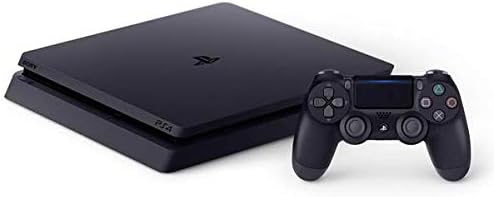
Playstation ecosystem for single player epics and cinematic titles
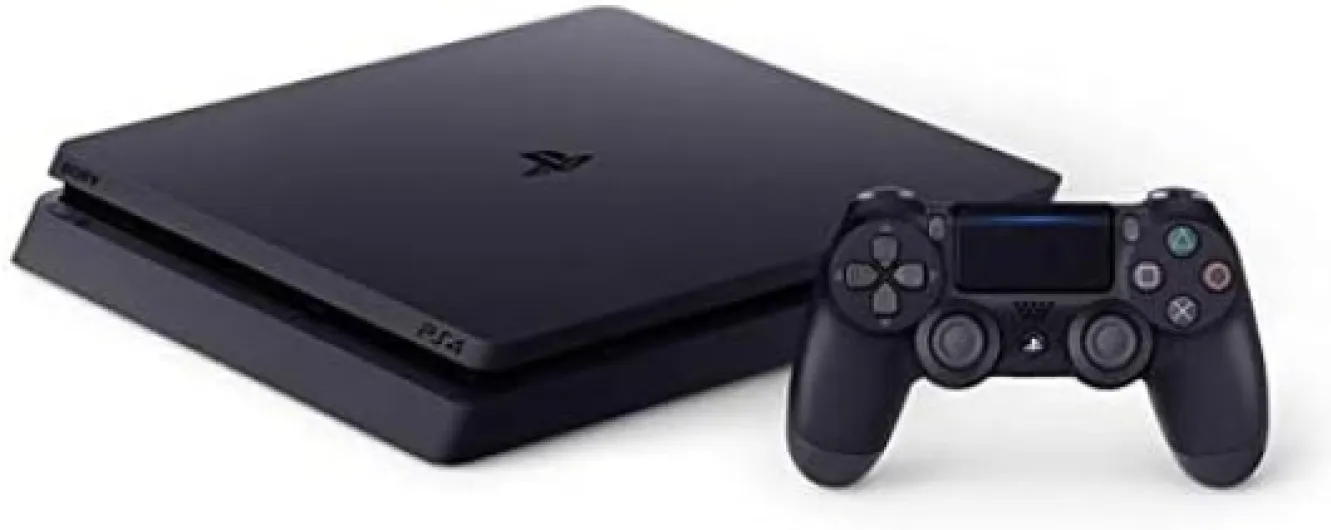
Sony’s PlayStation ecosystem remains a reference point for story-driven games. Flagship titles such as God of War Ragnarök, The Last of Us Part II, and the Horizon series show why many hardcore gamers still see this console as the best home for narrative-heavy gaming. These exclusive games often push visual fidelity, ray tracing modes, and 3D audio design harder than most third-party releases, as highlighted in Digital Foundry’s technical breakdowns of recent PlayStation blockbusters.
For players who want the most powerful Sony hardware, the standard PlayStation 5 and the slimmer PS5 revision focus on higher resolution gaming and more stable frame rates. With an 8-core AMD Zen 2 CPU, a custom RDNA 2 GPU rated at around 10.3 TFLOPS, and an ultra-fast SSD capable of up to 5.5 GB/s raw throughput, loading times shrink and open world game design feels more fluid. In tests from outlets such as Eurogamer and IGN, large titles like Horizon Forbidden West often cut load screens to a few seconds compared with the previous generation. Backward compatibility with a large library of PlayStation 4 games also helps you keep a single collection across several consoles.
Subscription services matter as well, and Sony’s PlayStation Plus tiers offer a pass-style library that competes directly with Microsoft’s Game Pass approach. While Sony’s service leans more on curated gaming collections and timed access to big titles, it still gives hardcore gamers a way to sample many games without buying each one. If you care about esports arenas and competitive events, you will also see strong PlayStation representation at major tournaments and dedicated venues such as the esports locations highlighted in this guide to exploring esports venues in Frisco, Texas.
Xbox series consoles and the power of game pass for value seekers
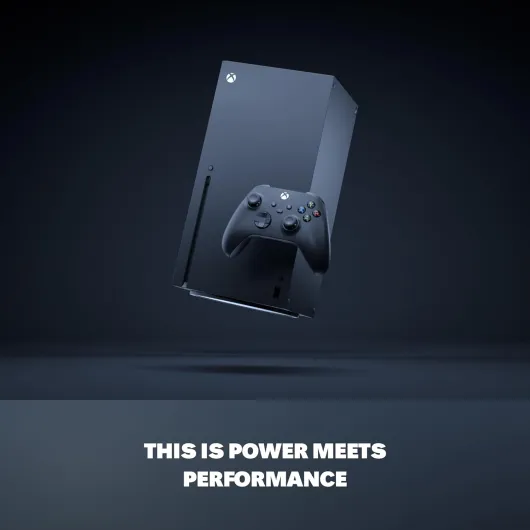
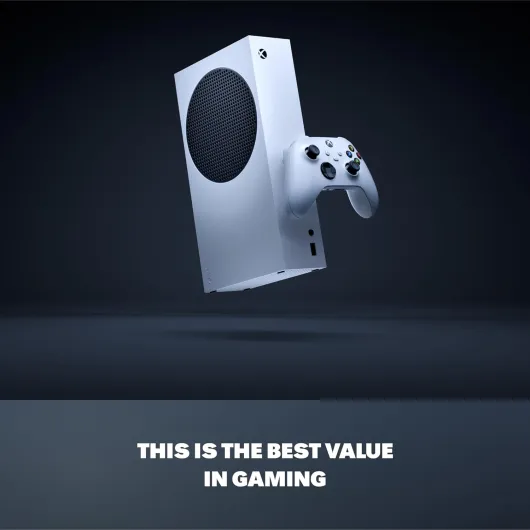
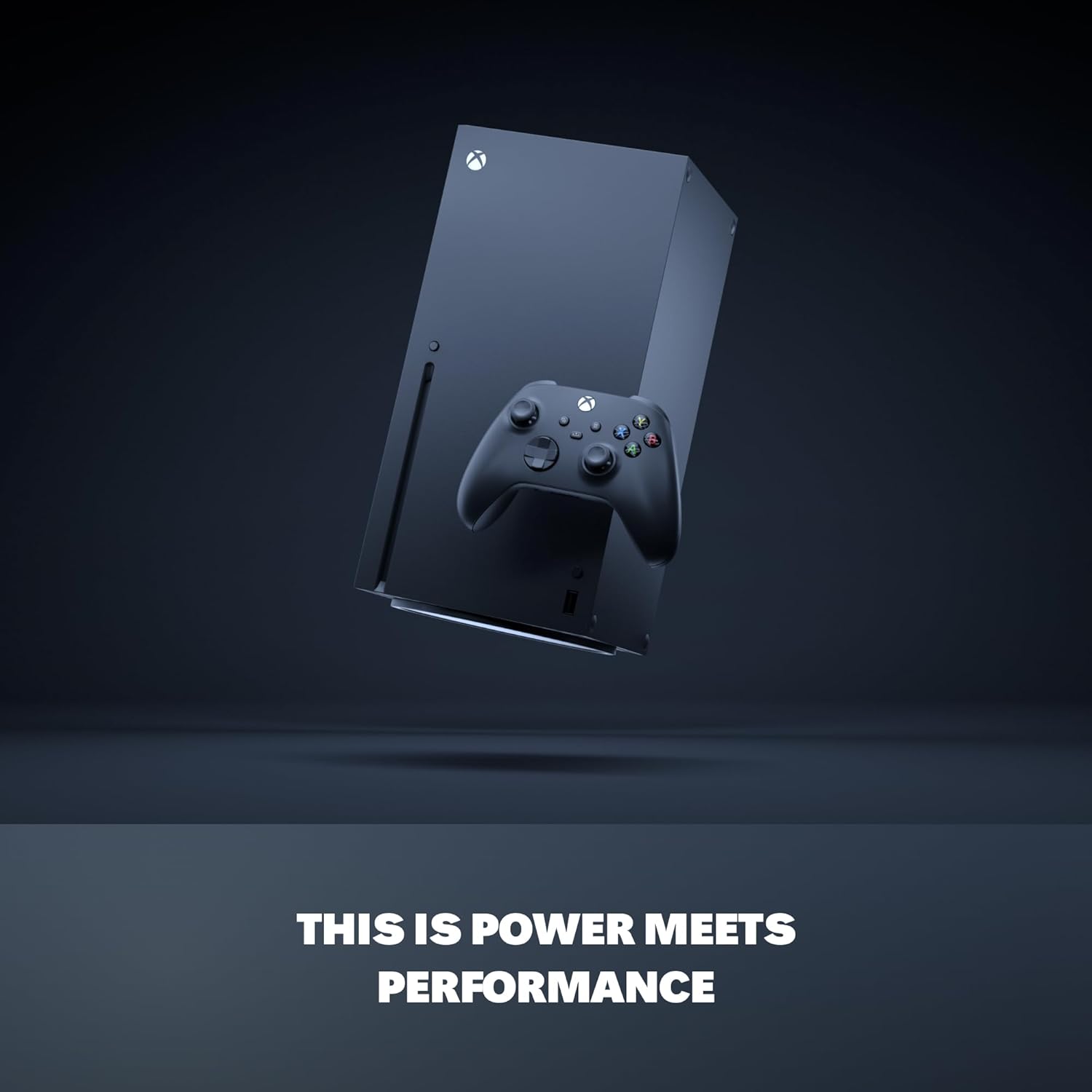
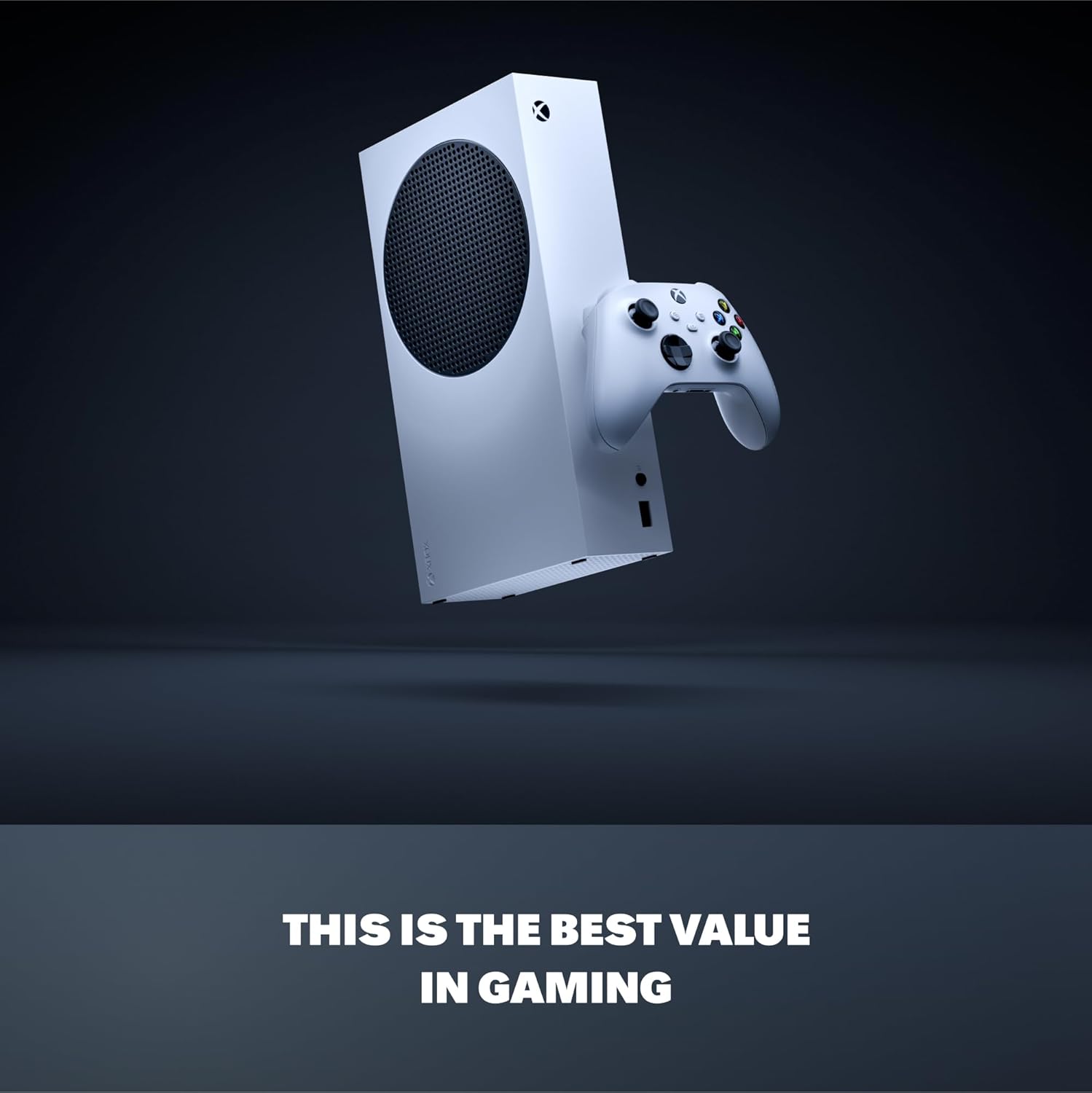
Microsoft’s Xbox Series consoles target players who want raw performance and broad flexibility. The higher end Xbox Series X focuses on native 4K gaming with ray tracing, powered by an 8-core AMD Zen 2 CPU and a 12 TFLOPS RDNA 2 GPU, while the smaller Xbox Series S offers a more affordable entry point with a digital-only design and no disc drive. For hardcore gamers who care about both power and price, choosing between these consoles depends on display resolution, storage needs, and how many physical games they still buy.
The real strategic weapon for Microsoft is Game Pass, which has reshaped how many players approach gaming libraries. With a single subscription, you can play hundreds of games across console, PC, and even cloud gaming services that stream titles to weaker devices. This model lets hardcore gamers test niche games, indie titles, and major releases without committing to a full-price buy every time. Industry analysts frequently cite Game Pass as a key driver of engagement, with Microsoft reporting over 25 million subscribers in early 2022 and continued growth since then.
Backward compatibility is another major strength of the Xbox ecosystem, because many older Xbox 360 and original Xbox games run better on modern Xbox Series hardware. Some of these classic titles gain higher resolutions, smoother performance, and faster loading, which makes replaying them feel surprisingly modern. For readers comparing next-generation hardware across brands, a detailed breakdown such as this analysis of top next gen consoles can help clarify which console aligns best with your gaming priorities.
Nintendo switch, steam deck, and the rise of serious handheld gaming
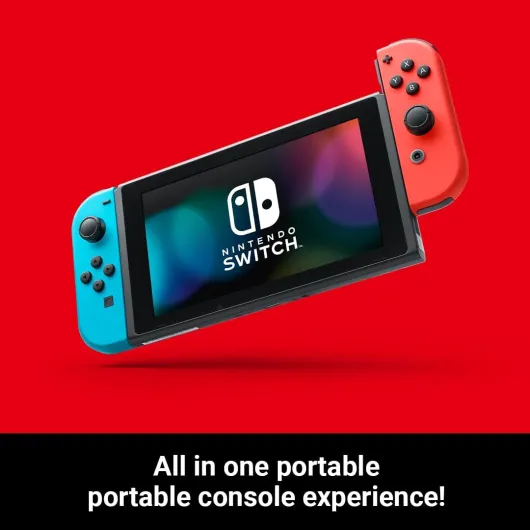
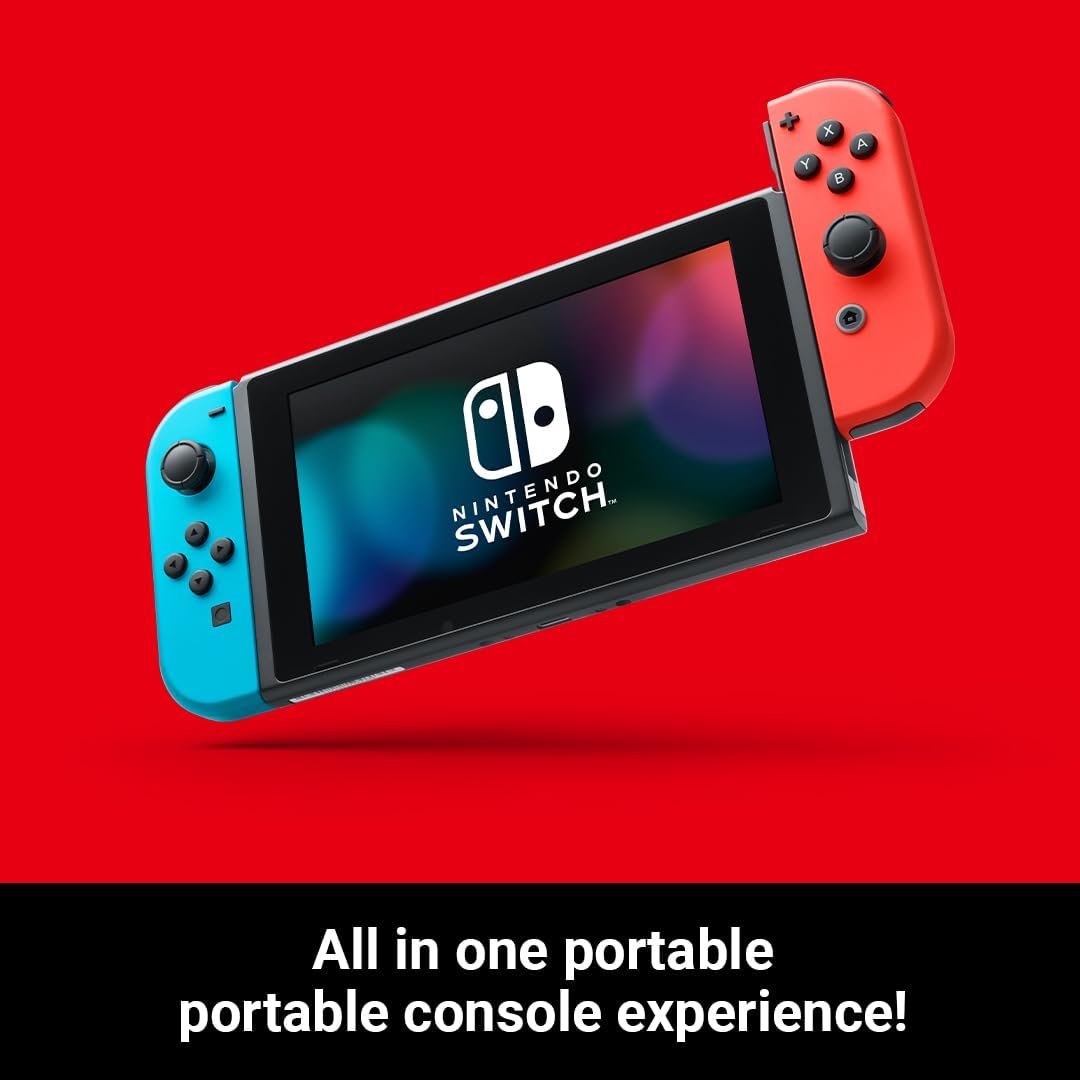
Portable systems have moved far beyond the simple Game Boy era. The Nintendo Switch proved that a hybrid console can handle both family-friendly games and more demanding titles while still offering strong battery life. For hardcore gamers, this flexibility means you can play long role-playing games or competitive titles on the sofa, in bed, or during travel without sacrificing too much performance.
Valve’s Steam Deck and the updated Steam Deck OLED version push handheld gaming closer to PC territory. These devices use custom AMD APUs with Zen 2 CPU cores and RDNA 2 graphics, running a large portion of the Steam library and letting players access thousands of PC games in a compact gaming handheld format. When tuned correctly, the performance of a Steam Deck can rival older home consoles such as the PlayStation 4 or Xbox One, often delivering 720p to 800p gameplay at 40–60 frames per second while still fitting into a small bag. Valve’s own compatibility database and third-party benchmarks from sites like PC Gamer regularly show modern titles such as Elden Ring and Cyberpunk 2077 running at console-like settings on this hardware.
Parents and new players often use the Nintendo Switch as an entry point into gaming, especially with curated lists of age-appropriate games such as this guide to fun and safe Nintendo Switch games for 4 year olds. Hardcore gamers, however, tend to focus on more demanding titles, higher difficulty modes, and competitive online play on these same consoles. This dual identity makes the Switch family unique among the best gaming consoles for hardcore gamers who also share their console with younger players.
Rog ally, asus rog handhelds, and custom AMD power on the go
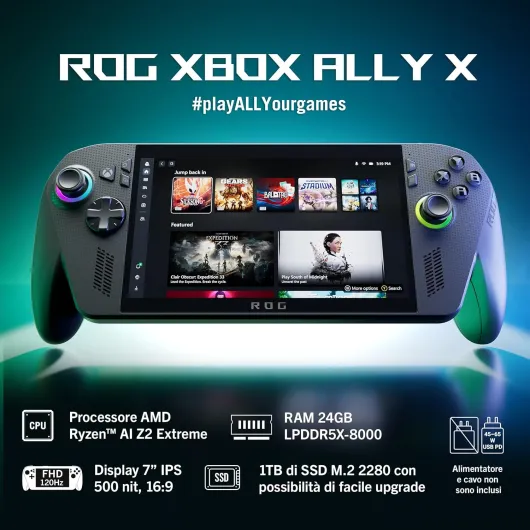
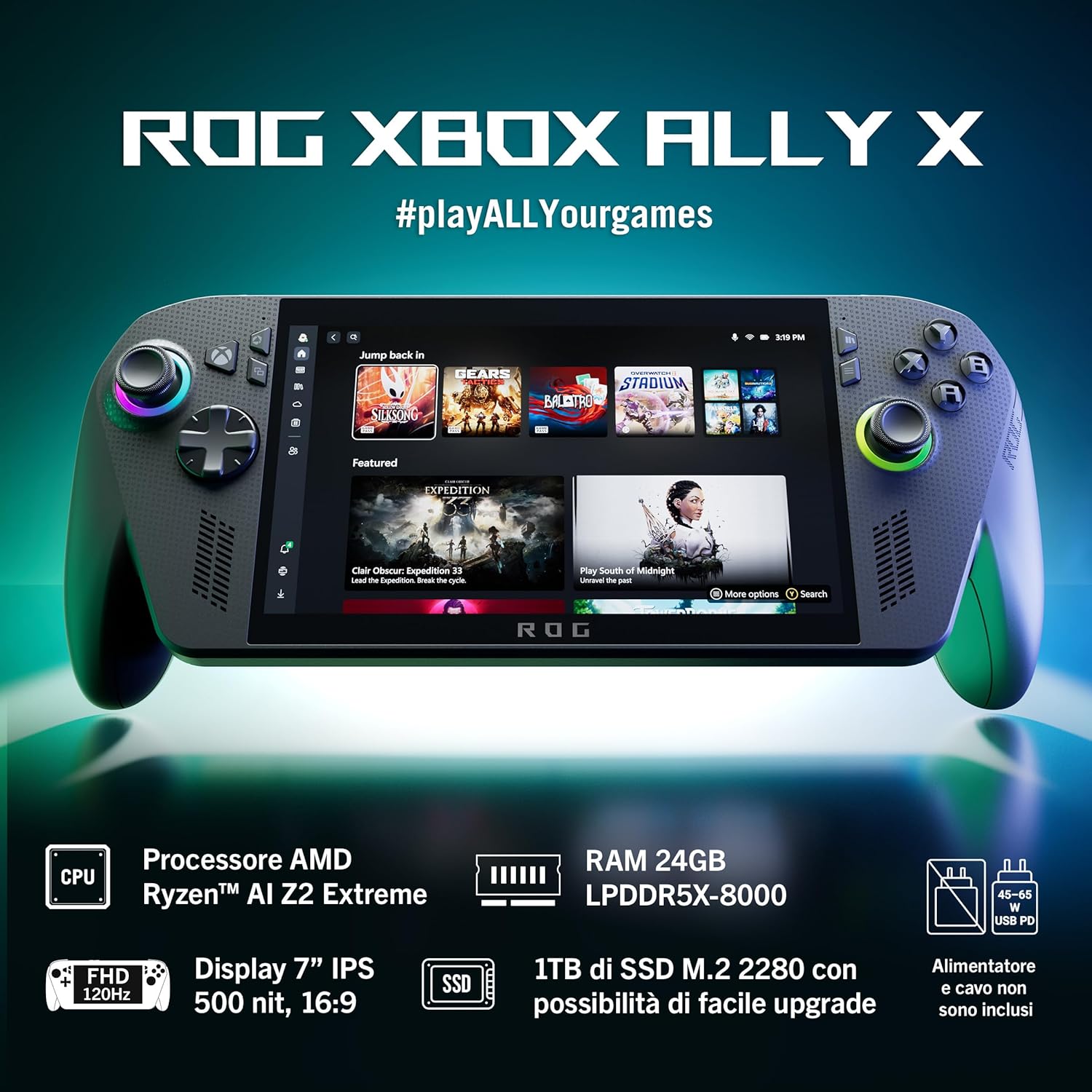
Windows-based handhelds such as the ROG Ally from ASUS represent a new frontier for portable gaming. These devices use custom AMD Ryzen Z1 series processors that balance performance and battery life for demanding PC games. When tuned carefully, a ROG Ally can run many modern titles at respectable frame rates, often targeting 1080p at 60 frames per second on medium settings, while still fitting into a compact gaming handheld shell.
The broader ASUS ROG brand has long focused on high-end gaming laptops and desktops, and that expertise now informs its handheld gaming designs. Features such as advanced cooling, high refresh rate 120 Hz screens, and flexible performance modes help hardcore gamers tailor each game to their preferred balance of image quality and battery life. Because these consoles run Windows, they also support a wide range of third-party launchers, mods, and cloud gaming services.
Compared with a Steam Deck, the ROG Ally often delivers stronger performance in some games but may require more tweaking and power management. Players who enjoy fine-tuning settings, testing different Game Pass builds, and experimenting with various PC titles will appreciate this level of control. For others who prefer a more console-like experience, the Steam Deck or a traditional home console may still feel like the best fit among the many gaming consoles now available.
Key buying decisions for hardcore gamers across all consoles
Choosing among the best gaming consoles for hardcore gamers starts with honest self-assessment. You should consider how many hours you play each week, which genres of games you prefer, and whether you value portability over maximum performance. A player who spends most evenings on competitive shooters will not have the same needs as someone who mainly enjoys long single-player role-playing games.
Hardware details matter, especially features such as ray tracing support, storage capacity, and the presence or absence of a disc drive. If you own many physical games, a console without a disc drive will force you to rebuy digital versions, which can quickly become expensive. Cloud gaming services can reduce storage pressure, but they depend heavily on stable internet connections and may introduce latency that bothers sensitive players.
Battery life is a crucial factor for any handheld gaming device, whether you choose a Nintendo Switch, a Steam Deck, or a ROG Ally. Some players accept shorter battery life in exchange for higher performance, while others prefer more conservative settings that keep the console running longer between charges. In every case, the best approach is to list your must-have features, compare how different consoles handle your favorite titles, and then buy the console or consoles that align most closely with your personal gaming habits.
Key figures and market statistics for modern gaming consoles
- Global console gaming revenue exceeded 50 billion US dollars according to Newzoo’s 2023 Global Games Market Report, showing how central consoles remain for mainstream gaming compared with mobile and PC segments.
- Nintendo reported more than 130 million Nintendo Switch units sold worldwide in its financial results for the quarter ending September 2023, which highlights how a hybrid console can attract both casual players and hardcore gamers over a long hardware cycle.
- Microsoft stated that tens of millions of users subscribe to Game Pass across console and PC in its January 2022 earnings call, underlining how subscription access to games has become a core part of the Xbox ecosystem.
- Sony announced that its latest PlayStation generation has sold over 50 million units as of December 2023, confirming strong demand for high-performance home consoles with extensive exclusive titles.
- Valve revealed that Steam regularly peaks at more than 30 million concurrent users in early 2024, which supports the strategy behind devices such as the Steam Deck and Steam Deck OLED that bring PC gaming libraries into handheld form.
Comparison table: key specs and real-world performance
| Console |
CPU / GPU |
Approx. TFLOPS |
Typical resolution / frame rate |
Launch price (USD) |
| PlayStation 5 |
8-core AMD Zen 2 / RDNA 2 |
~10.3 |
Up to 4K at 60 fps; 120 fps modes in some games |
$499 (disc), $399 (Digital Edition) |
| Xbox Series X |
8-core AMD Zen 2 / RDNA 2 |
~12.1 |
Up to 4K at 60 fps; 120 fps in supported titles |
$499 |
| Xbox Series S |
8-core AMD Zen 2 / RDNA 2 (cut-down) |
~4 |
1080p–1440p at 60 fps in most optimized games |
$299 |
| Nintendo Switch (OLED) |
Custom NVIDIA Tegra X1 |
~0.4 |
720p handheld, up to 1080p docked at 30–60 fps |
$349 |
| Steam Deck OLED |
Custom AMD APU (Zen 2 / RDNA 2) |
~1.6 |
800p at 40–60 fps in many tuned PC games |
From $549 |
| ASUS ROG Ally |
AMD Ryzen Z1 / Z1 Extreme |
Up to ~8.6 |
1080p at 45–60 fps on medium settings in supported titles |
From $599 |