Price, value and resale when you buy digital or disc consoles
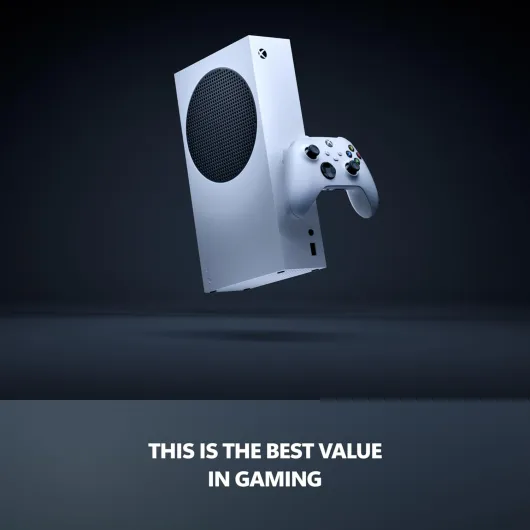
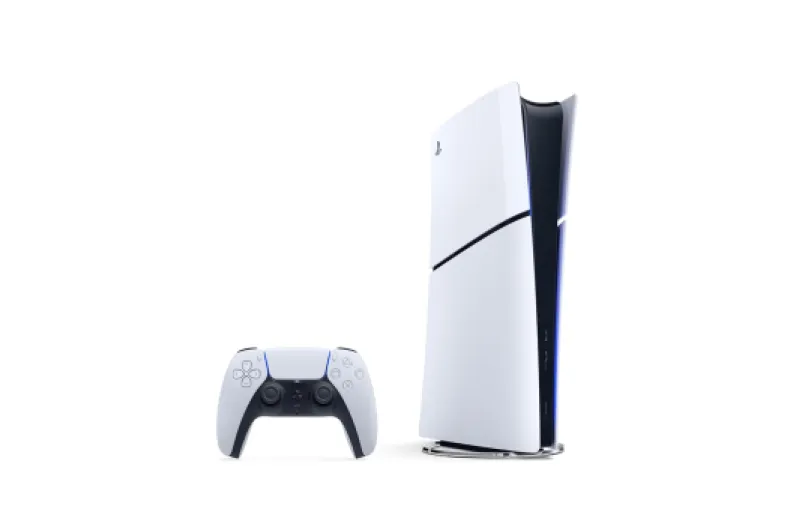
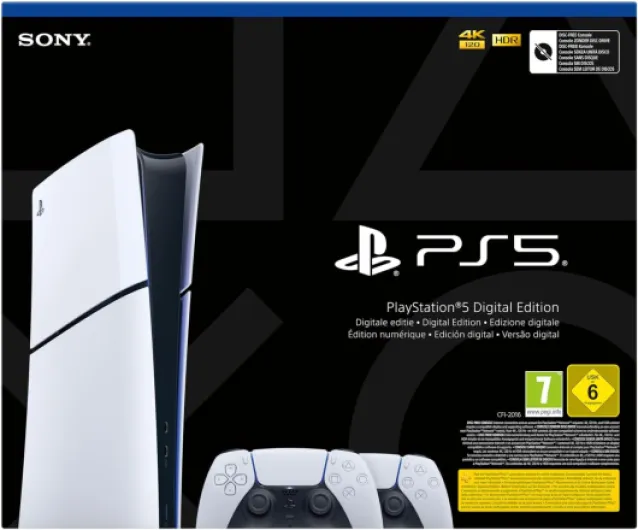
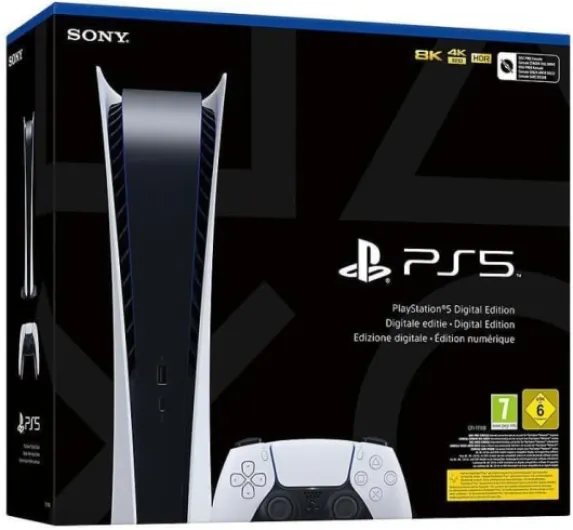
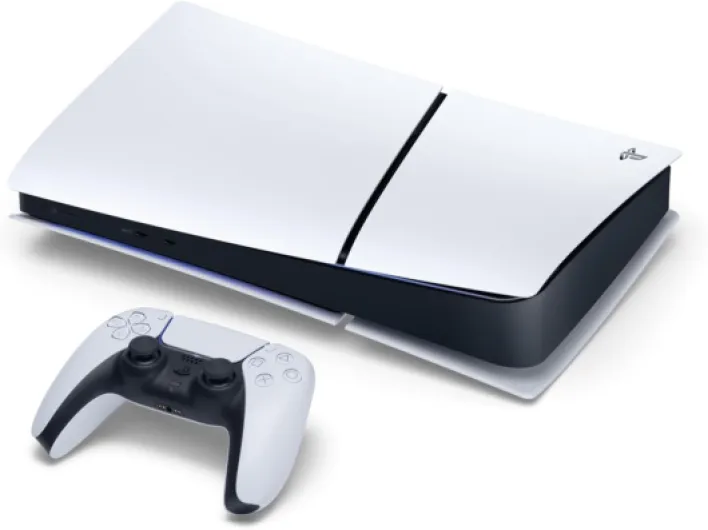
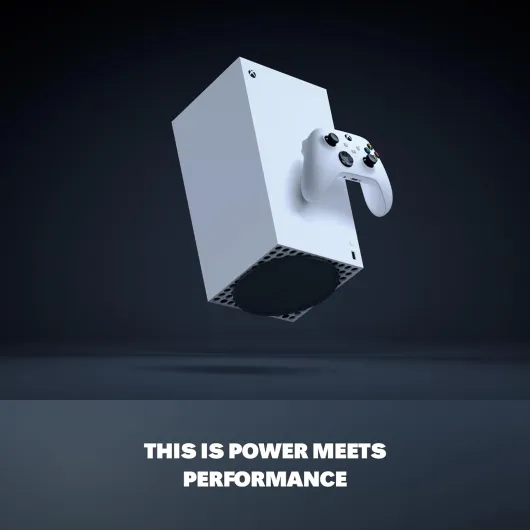
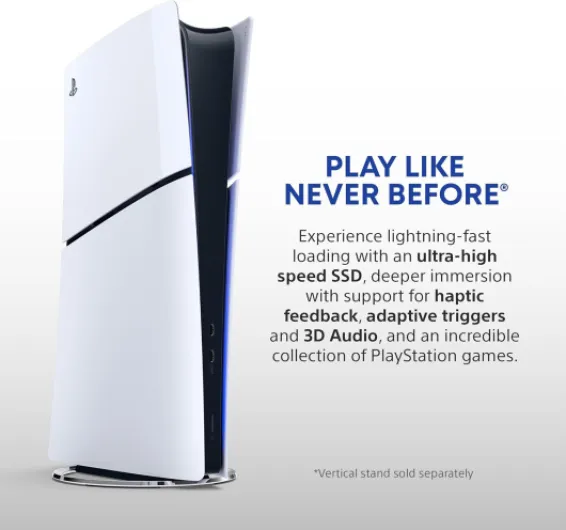
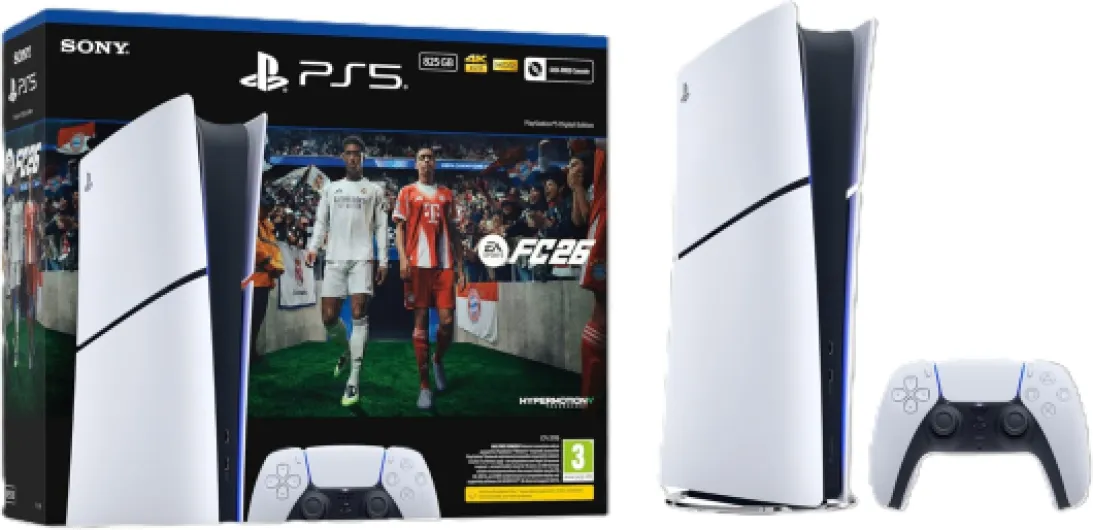
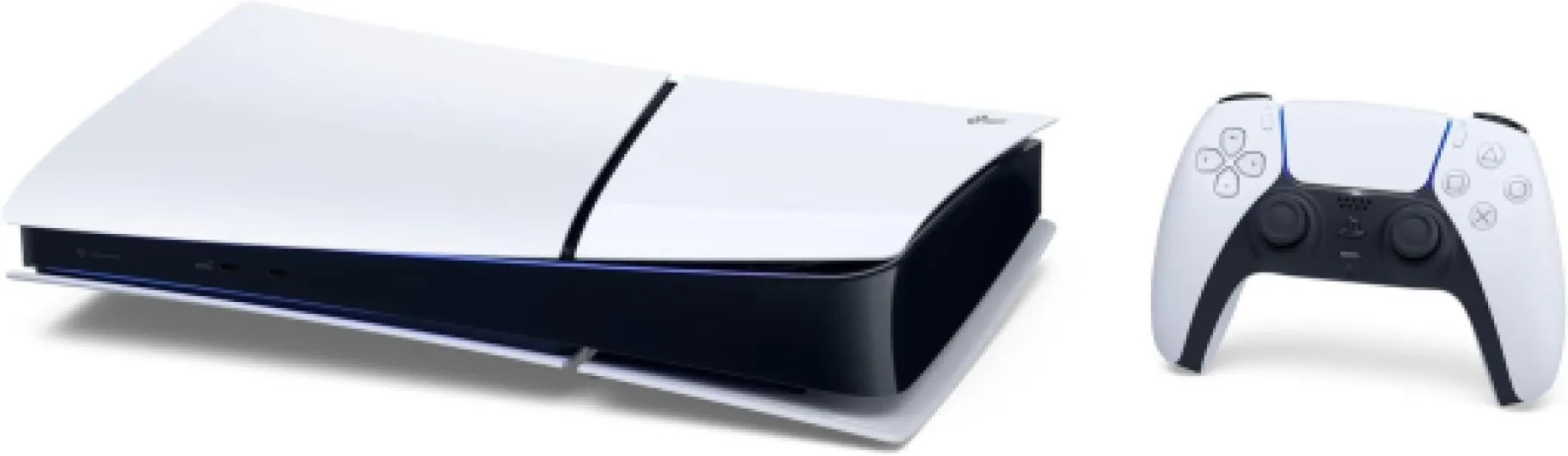
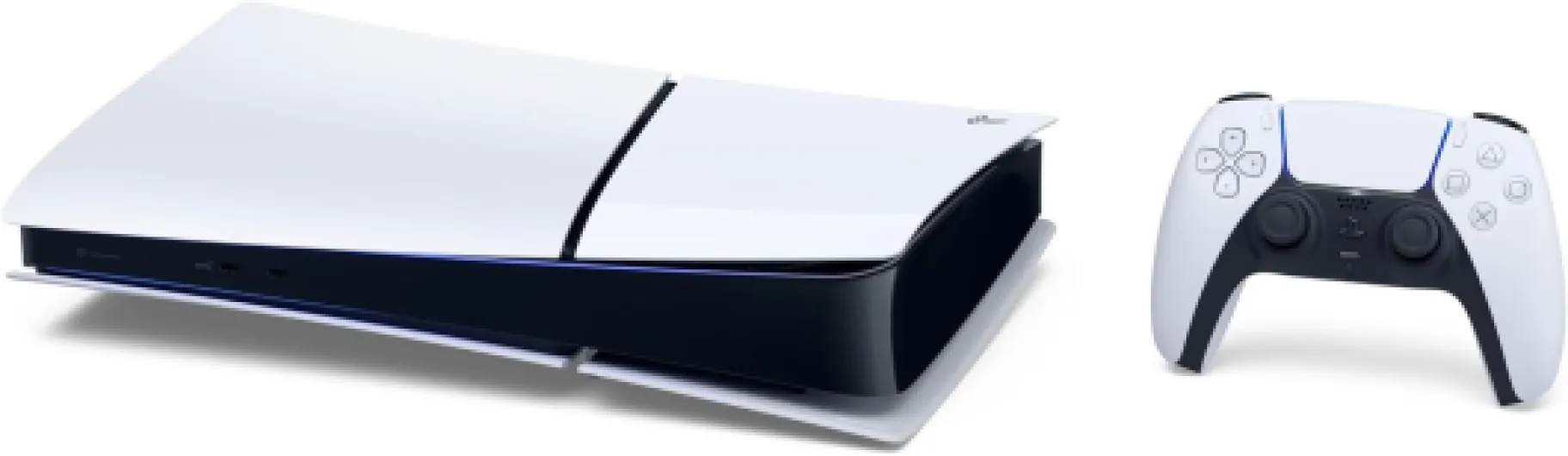
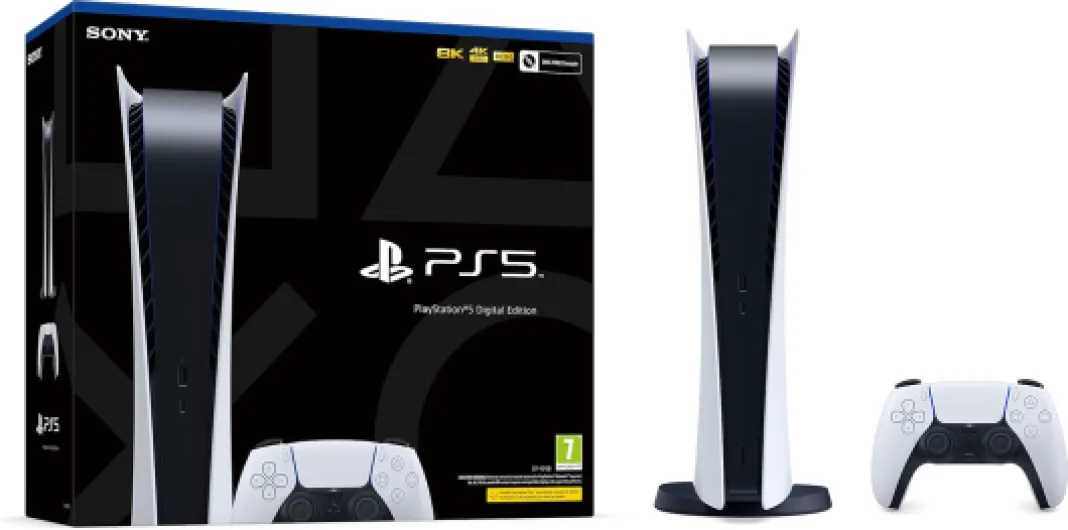
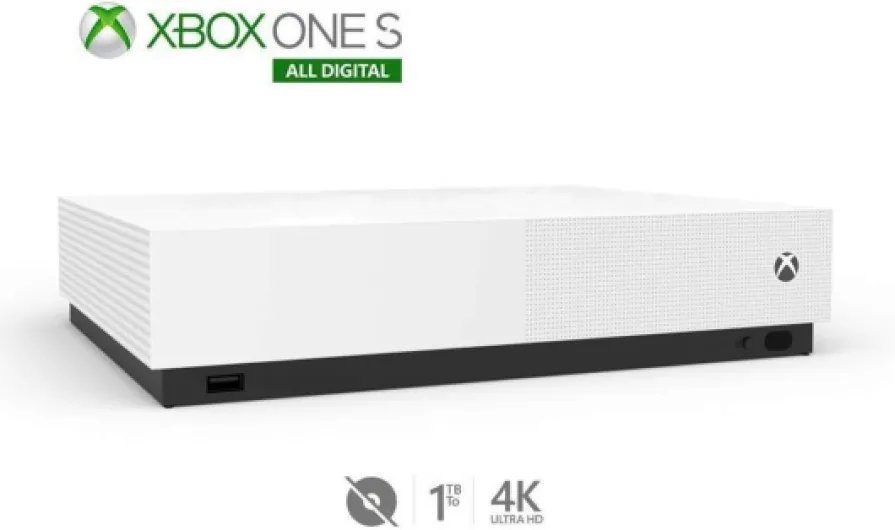
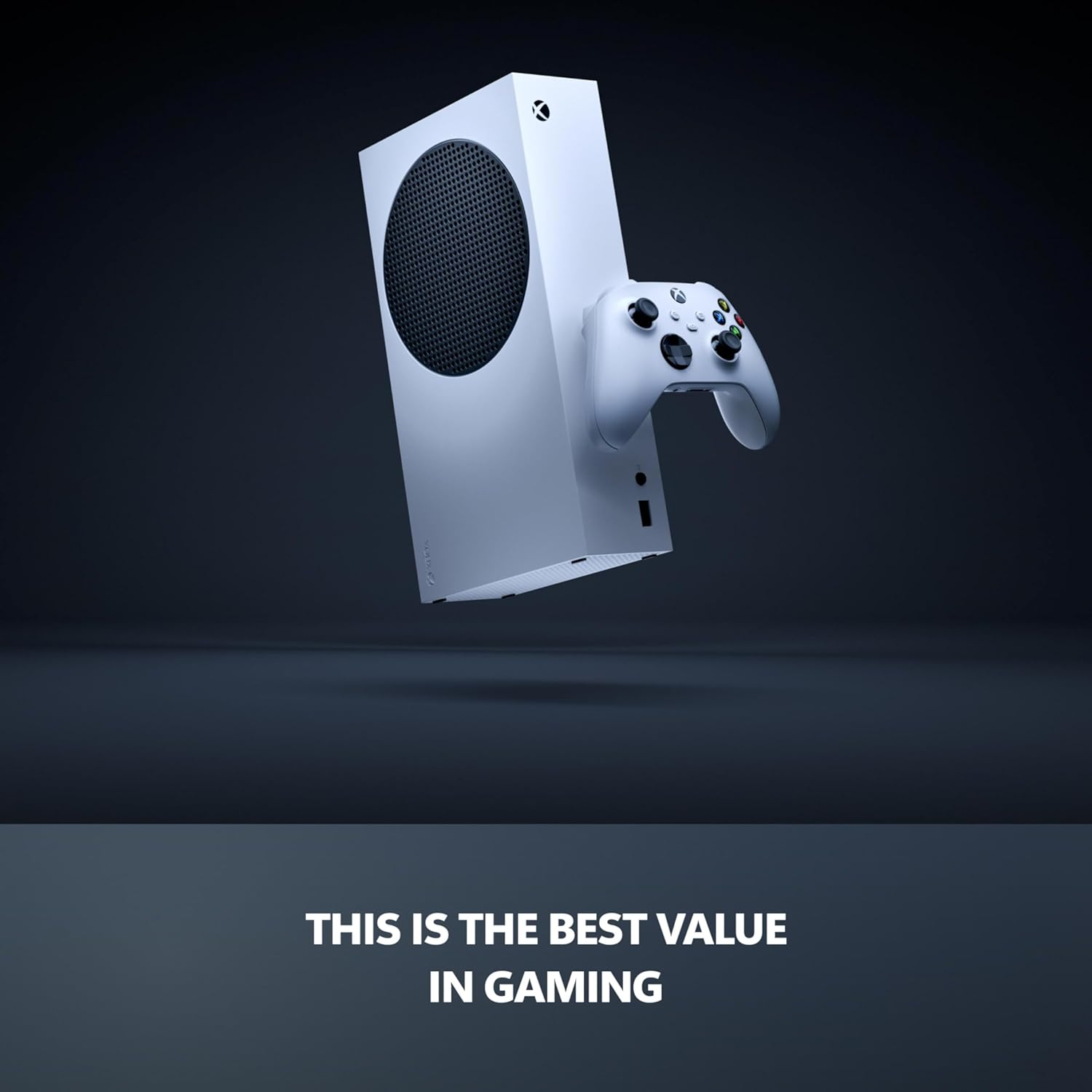
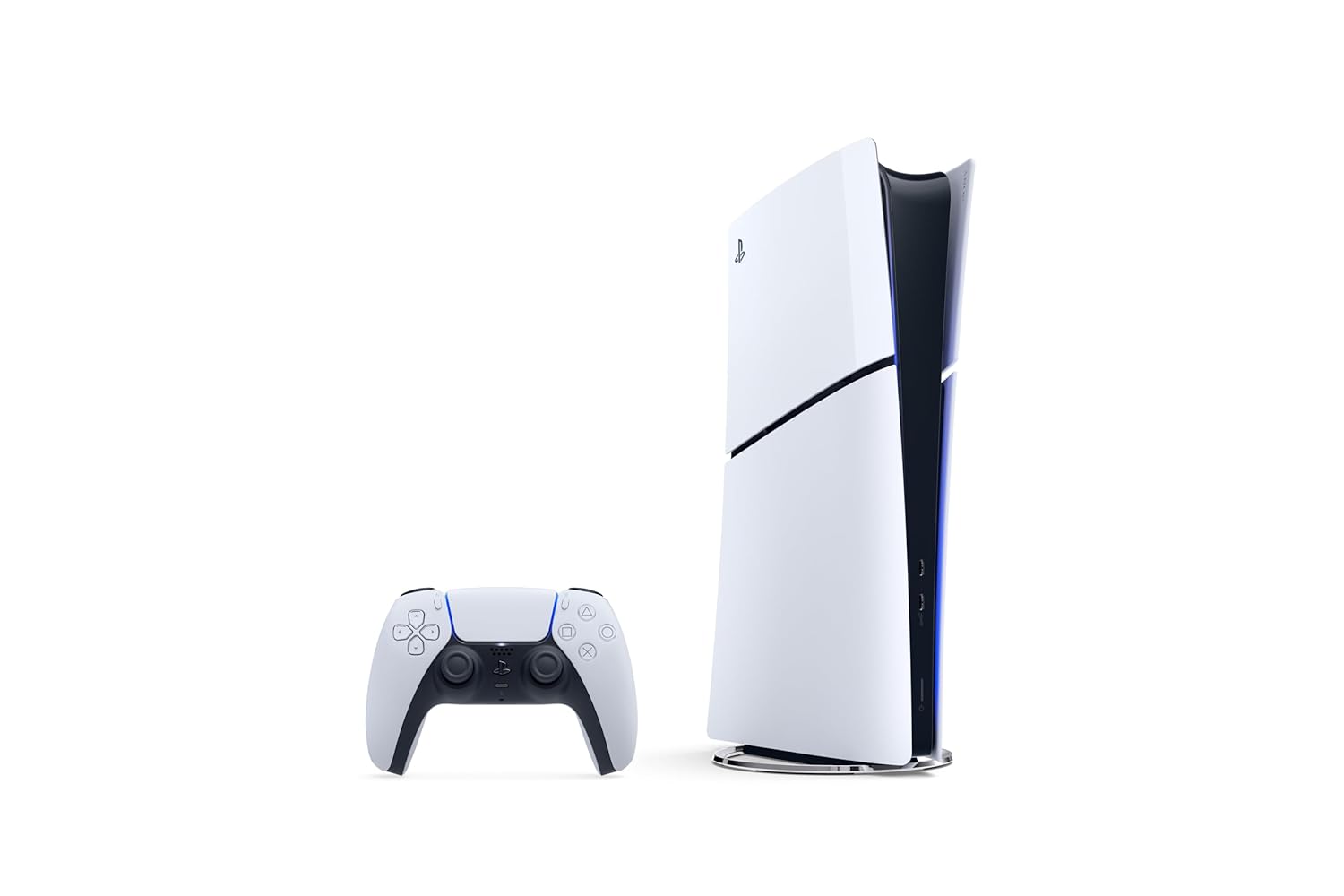
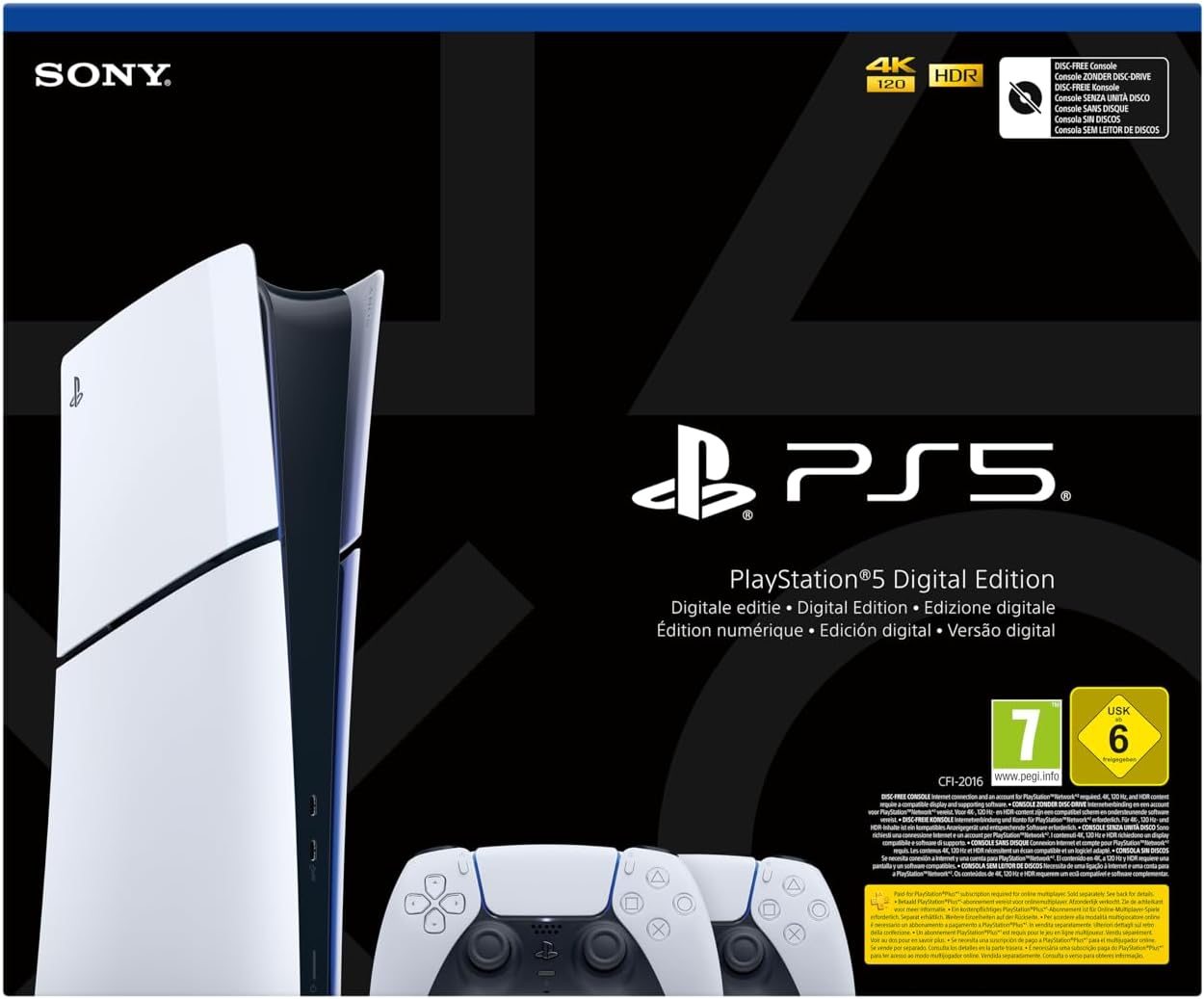
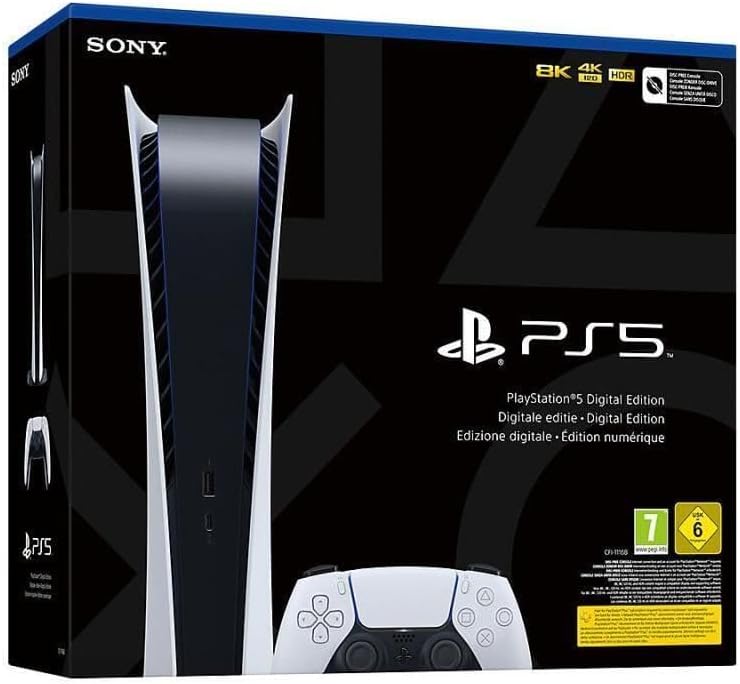
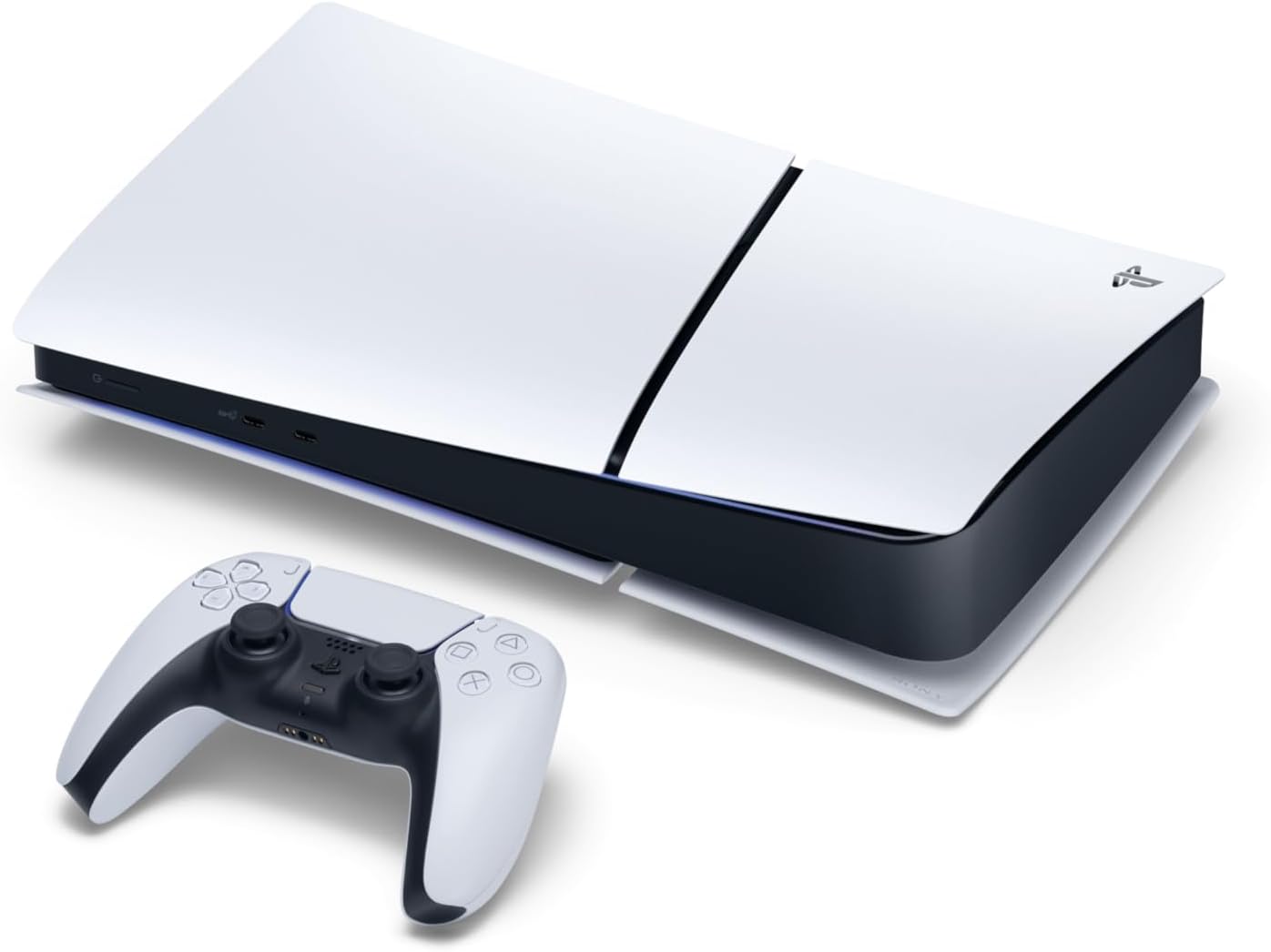
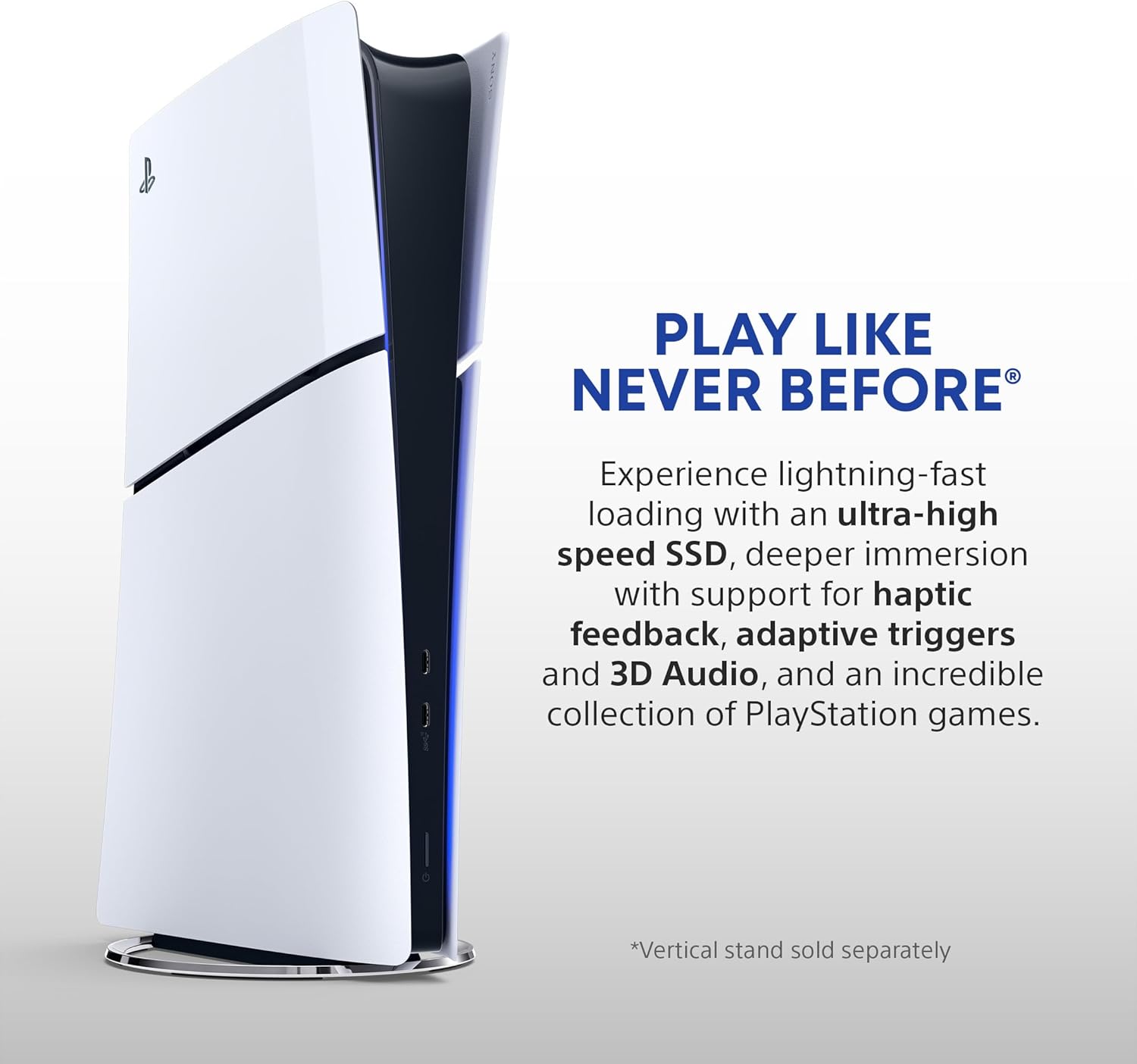
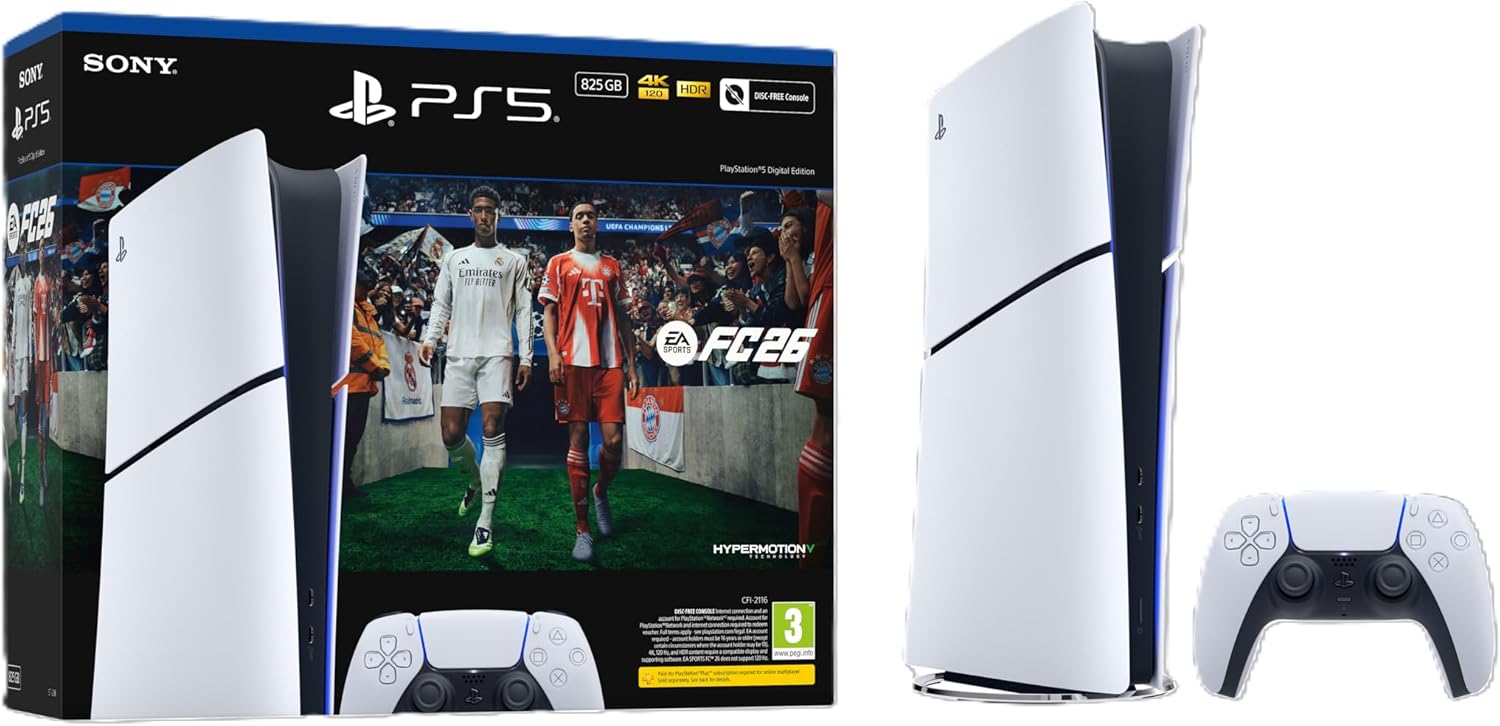
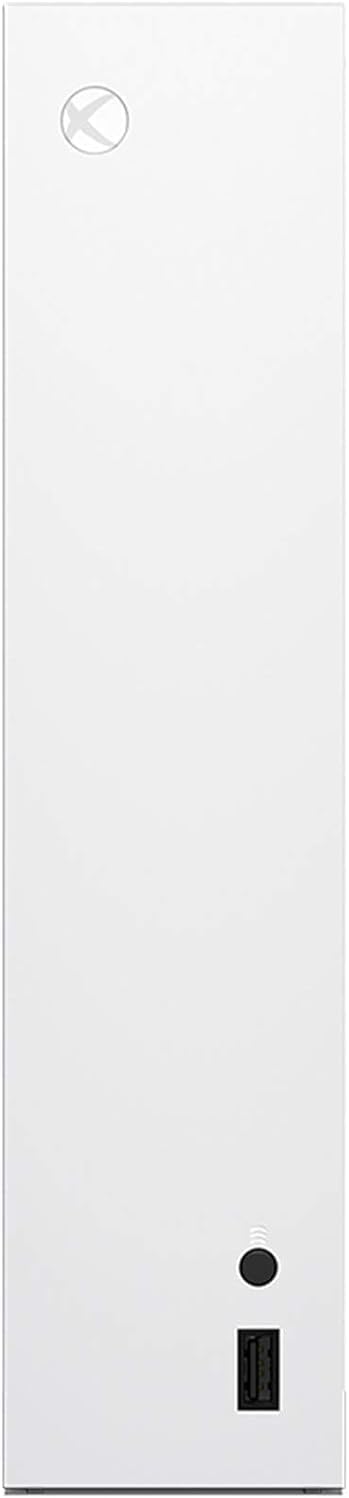
Price is often the first factor when people compare the best digital gaming consoles with disc editions. Digital only versions of Xbox Series and Sony PlayStation consoles usually cost less at launch, which makes them attractive when you want the best gaming performance for a lower entry price. Over time, however, the total cost of every game you buy digitally can exceed the savings from the cheaper gaming console hardware, especially if you buy many new releases at full price instead of waiting for sales or using subscription catalogues.
Disc based consoles allow you to buy a game physically, finish it, then resell it or trade it, which recovers part of your spending and effectively lowers the real cost per game. With digital games on a PlayStation or Xbox gaming console, you cannot legally resell your licence, so every game purchase is final, and this matters if you play many short games rather than one long game. When you compare digital and disc prices, check regional sales, subscription offers such as Game Pass or PlayStation Plus Extra, and long term discounts on older series entries or original editions that often drop sharply a year or two after launch.
Another financial angle is future flexibility if you don a collector mindset later. A disc based Sony PlayStation or Xbox Series console lets you buy rare physical games, special editions, and even retro rereleases that never appear in digital stores, which can be great for fans of original game art and limited print runs. For readers interested in future hardware like a potential PS6 and its digital and disc pricing, detailed analyses of expected digital versus disc strategies for the next PlayStation generation can be found in specialised coverage about when the PS6 might release and how its digital and disc versions could be positioned, including speculation based on current Sony Interactive Entertainment financial reports and hardware trends.
Digital ecosystems on xbox, playstation and PC style decks
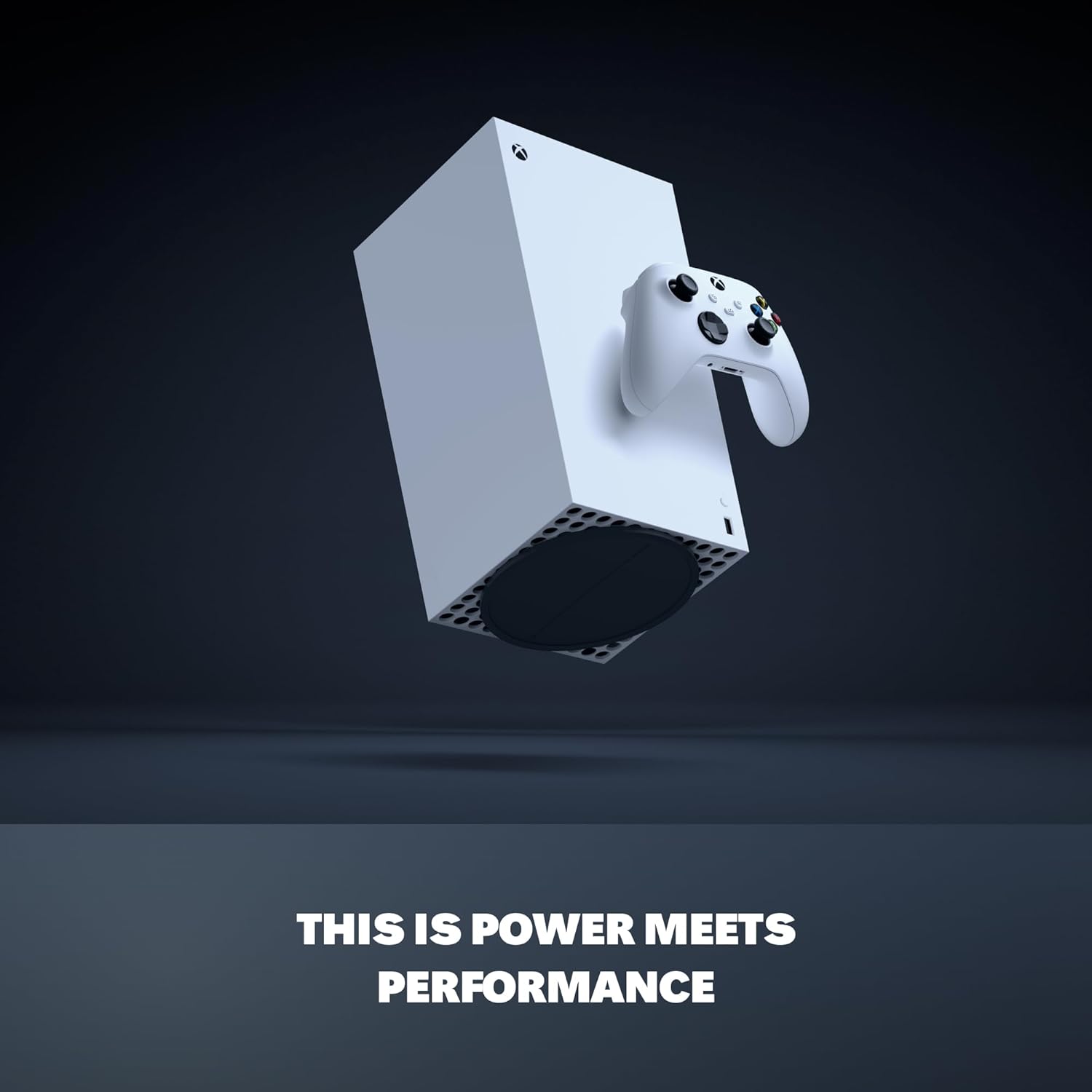
Once you choose between the best digital gaming consoles, you also choose an ecosystem that shapes how you buy and play games for years. A digital Xbox Series console ties you closely to Game Pass, cloud saves, and cross play features that let you play games on both console and PC, which is powerful if you already use a gaming PC or laptop. A digital Sony PlayStation console focuses on cinematic exclusives and services such as PlayStation Plus, while the portable Steam Deck family brings PC storefronts into a gaming handheld format that behaves more like a compact computer than a fixed console.
Valve’s Steam Deck and the newer Steam Deck OLED models behave differently from a traditional console, yet they compete directly with the best handheld and home systems. You buy PC games through Steam, then play them on the Deck as a handheld game system or dock it to a television like a console, and this flexibility appeals to players who want one library across devices and operating systems. When you compare a Steam Deck with an Xbox Series console or a Sony PlayStation console, you weigh openness, mod support and community tweaks against the simplicity, parental controls and optimisation of fixed consoles that target a single hardware configuration.
Subscription services shape how you play games across ecosystems and influence which platform feels like the best digital gaming console for your habits. Game Pass on Xbox and PC offers a rotating catalogue with day one releases, while PlayStation Plus focuses on a curated library of PlayStation games across several membership tiers, and Steam relies more on frequent sales, bundles and free weekends than on a single subscription. For many readers, the best digital gaming consoles are those that align with their preferred store, whether that is Steam on a Deck, the Microsoft Store on Xbox, or the PlayStation Store on a Sony PlayStation console, backed by cloud saves and cross progression where available.
Handheld gaming: nintendo switch, steam deck and new PC handhelds
Portable systems complicate the choice between digital and physical because the best digital gaming consoles now include powerful handheld gaming devices as well as living room machines. The Nintendo Switch family, the Steam Deck range, and Windows based handheld gaming PCs such as the Asus ROG Ally and Lenovo Legion Go all blur the line between console and PC. When you buy a gaming handheld, you must consider battery life, comfort, storage capacity for large digital libraries, and how you prefer to play games on the move or docked to a television.
The original Nintendo Switch and the smaller Switch Lite support both digital and physical game cards, while the Switch Lite focuses on handheld play only. Many players treat the Nintendo Switch as the best handheld console for family friendly games, then use a Steam Deck or an Asus ROG handheld for more demanding PC titles, which shows how different devices can coexist in one household. If you mostly play games digitally on a Switch, you benefit from carrying dozens of titles without swapping cartridges and from quick sleep mode resumes, but you lose the option to resell those digital purchases or lend them easily to friends.
PC style handheld gaming devices such as the Steam Deck, the Deck OLED revision, the Asus ROG Ally, and the Lenovo Legion Go rely almost entirely on digital stores and cloud services. These gaming handheld systems deliver great performance for their size, yet battery life drops quickly with demanding games, so you must balance visual settings against play time and consider power profiles or frame rate caps. For players who grew up with a Game Boy or a Game Gear handheld game system, modern devices feel like a natural evolution, but the shift to digital only libraries is a major change from carrying physical cartridges, and it makes backup strategies and account security more important.
Local multiplayer, family play and how digital libraries change behaviour
Family players often judge the best digital gaming consoles by how easily everyone can join a game without friction. On a Nintendo Switch or Switch Lite, local multiplayer games remain central, and many households still buy physical cartridges so children can swap a game between consoles or take it to a friend’s house. Digital purchases on a single gaming console can be shared within one family account, yet sharing across multiple consoles is more restricted and usually requires careful profile management.
On Xbox Series and Sony PlayStation systems, digital libraries pair well with local multiplayer because you can install the same game on several profiles on one console and use features such as Xbox Home console or PlayStation primary console settings. However, if you want to play games simultaneously on two consoles in the same home, you must manage primary console settings and licences carefully, which can feel less intuitive than lending a disc and may confuse less technical family members. For players who focus on couch co op and party games, a mix of digital and disc purchases often works better than going fully digital, because it combines instant access with the simplicity of passing around a physical copy.
Readers who enjoy local multiplayer on Nintendo Switch systems can explore curated lists of the best local multiplayer Switch games for fun with friends and family, which highlight how digital and physical versions coexist in the same ecosystem and often cost different amounts. Digital only handheld gaming devices such as the Steam Deck or Asus ROG Ally rely more on online multiplayer or single player campaigns, though you can still connect controllers for local sessions or use a dock to play on a TV. In every case, the best digital gaming consoles for families are those that make it simple to play games together without complex licence management, surprise restrictions, or confusing account sharing rules.
Retro, streaming and the future of digital only play
Retro fans face a distinct set of questions when they evaluate the best digital gaming consoles. Classic systems such as the Game Boy and Game Gear relied entirely on physical cartridges, while modern services on Xbox, PlayStation and Nintendo Switch consoles offer digital rereleases of older games through collections, subscription catalogues and remasters. If you value original hardware and physical collections, disc based consoles and cartridge systems still hold a strong appeal because they let you own a copy that is not tied to a single online account or store policy.
Streaming and remote play add another layer to the digital versus disc debate and change how you think about where you can use your library. Devices such as the PlayStation Portal focus on streaming games from a home Sony PlayStation console, which means your library, whether digital or disc based, becomes accessible on a dedicated handheld game screen, and this changes how you think about where you play games in the house. Cloud streaming on Xbox and some PC handhelds lets you play without installing every game locally, though latency and image quality still depend heavily on your internet connection, data caps and server distance.
Looking ahead, platform holders continue to push toward digital first ecosystems, yet disc editions are unlikely to vanish overnight because many players still want ownership they can touch and the option to buy used games. The best digital gaming consoles will increasingly integrate cloud saves, cross play, remote access and streaming apps, while disc based consoles will serve collectors, preservation minded players and regions with limited connectivity. When you decide what to buy, consider not only today’s games but also how you want to access your library in ten years, whether on a future Xbox Series revision, a new Sony PlayStation generation, or an upgraded Steam Deck OLED model that still signs into the same account.
Key statistics about digital and disc gaming consoles
- According to Sony Interactive Entertainment quarterly earnings summaries for recent fiscal years, digital game sales on PlayStation platforms have exceeded physical sales for several consecutive periods, with multiple reports showing digital ratios above 60% of full game sales, which signals a clear shift toward digital purchases on both standard and digital only Sony PlayStation consoles.
- Microsoft has reported in its Xbox content and services revenue breakdowns that a significant majority of income now comes from digital transactions, including Game Pass subscriptions, add ons and full game downloads, which reinforces the value proposition of digital focused Xbox Series models and subscription heavy ecosystems.
- Nintendo financial reports for the Switch era indicate that the share of digital sales on Nintendo Switch has steadily increased, with digital accounting for roughly half of software revenue in some quarters, although physical game card sales remain strong, which explains why both digital and cartridge options continue to coexist on the same console family.
- Valve has stated in Steam Deck usage updates and developer presentations that handheld owners primarily rely on existing Steam libraries built over many years, highlighting how PC oriented handheld gaming devices depend almost entirely on digital ecosystems rather than physical media and benefit from long term backlogs.
- Market research from firms such as Ampere Analysis and NPD Group, summarised in public industry overviews, shows that best selling console games often achieve the majority of their lifetime sales through digital channels, especially in regions with high broadband penetration and strong subscription adoption, while boxed copies remain important for collectors and gift purchases.