Xbox and PlayStation: living room powerhouses for high fps gaming
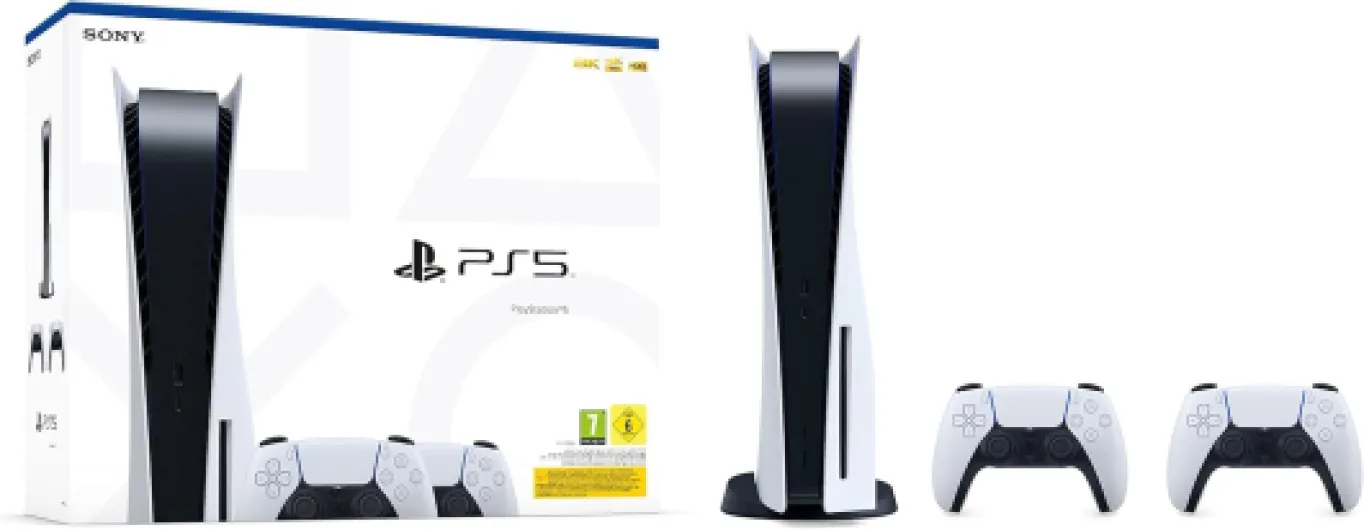
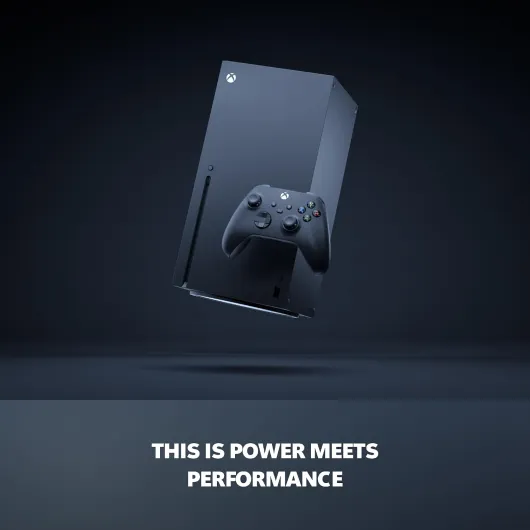
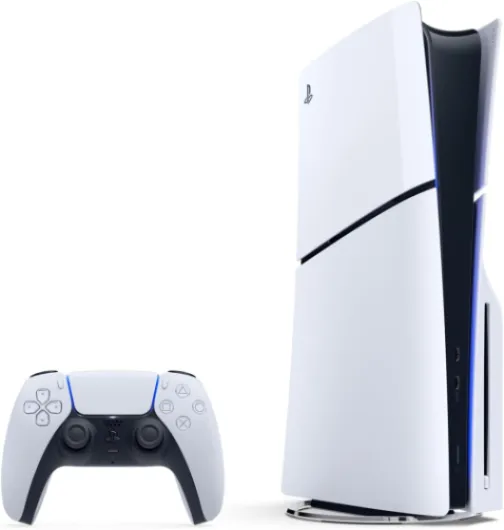
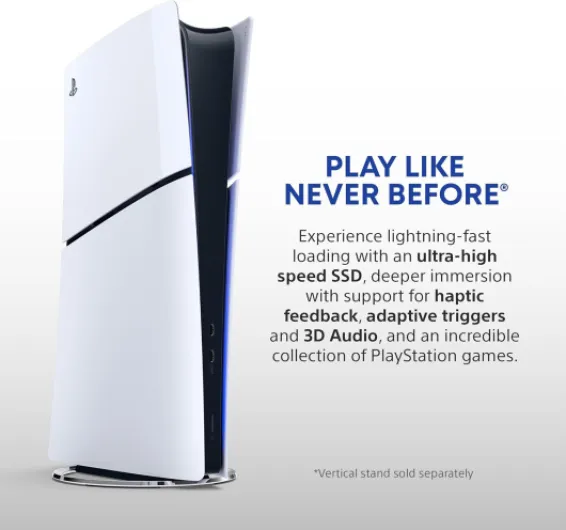
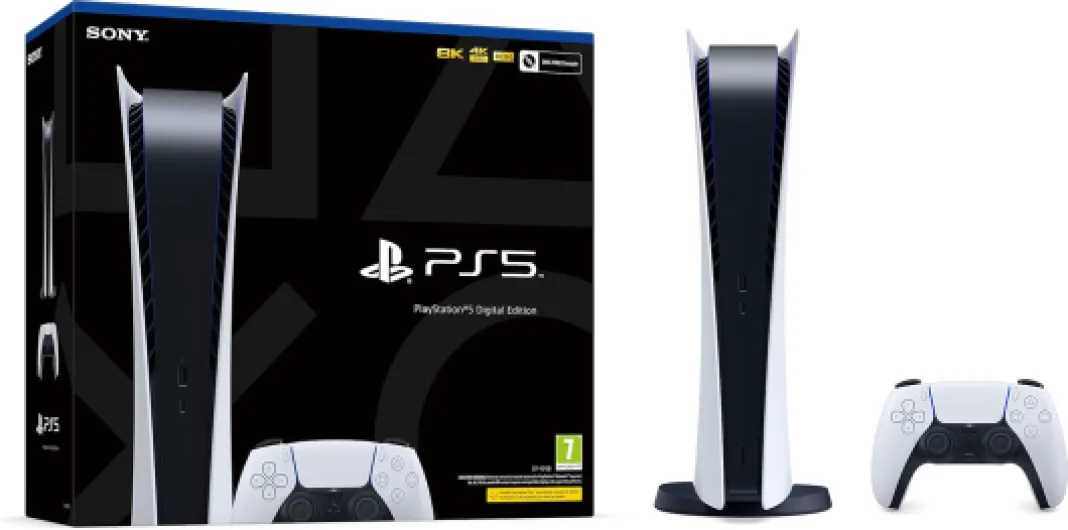
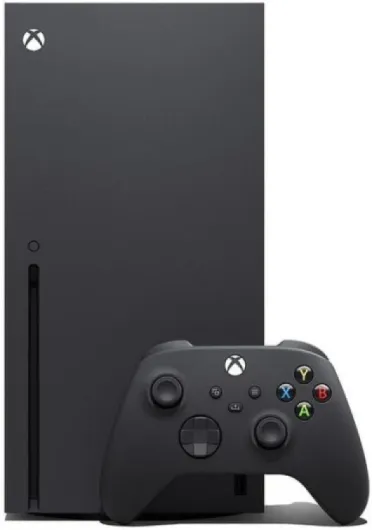
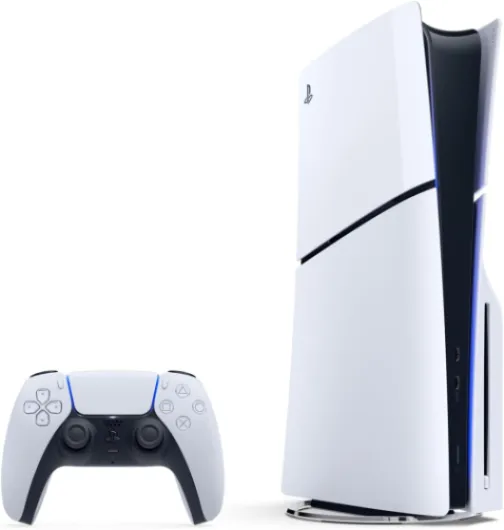
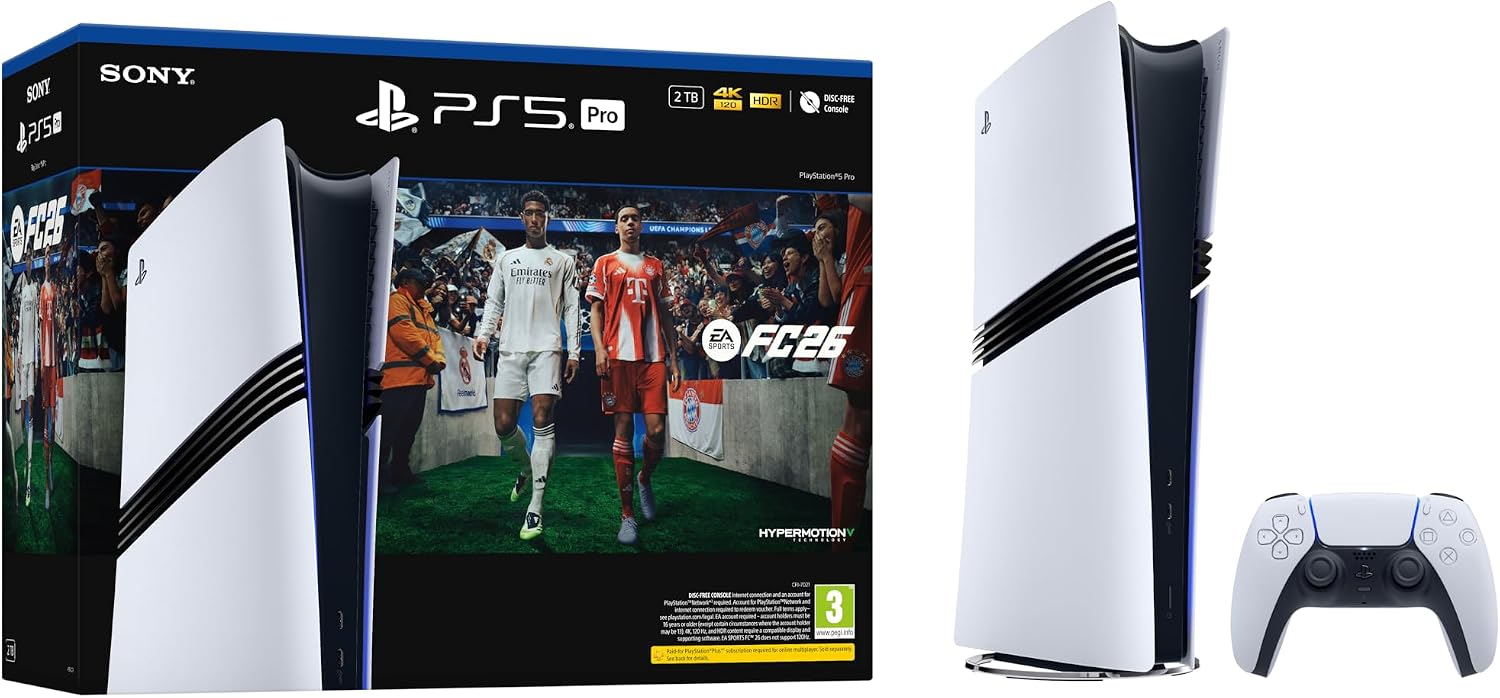
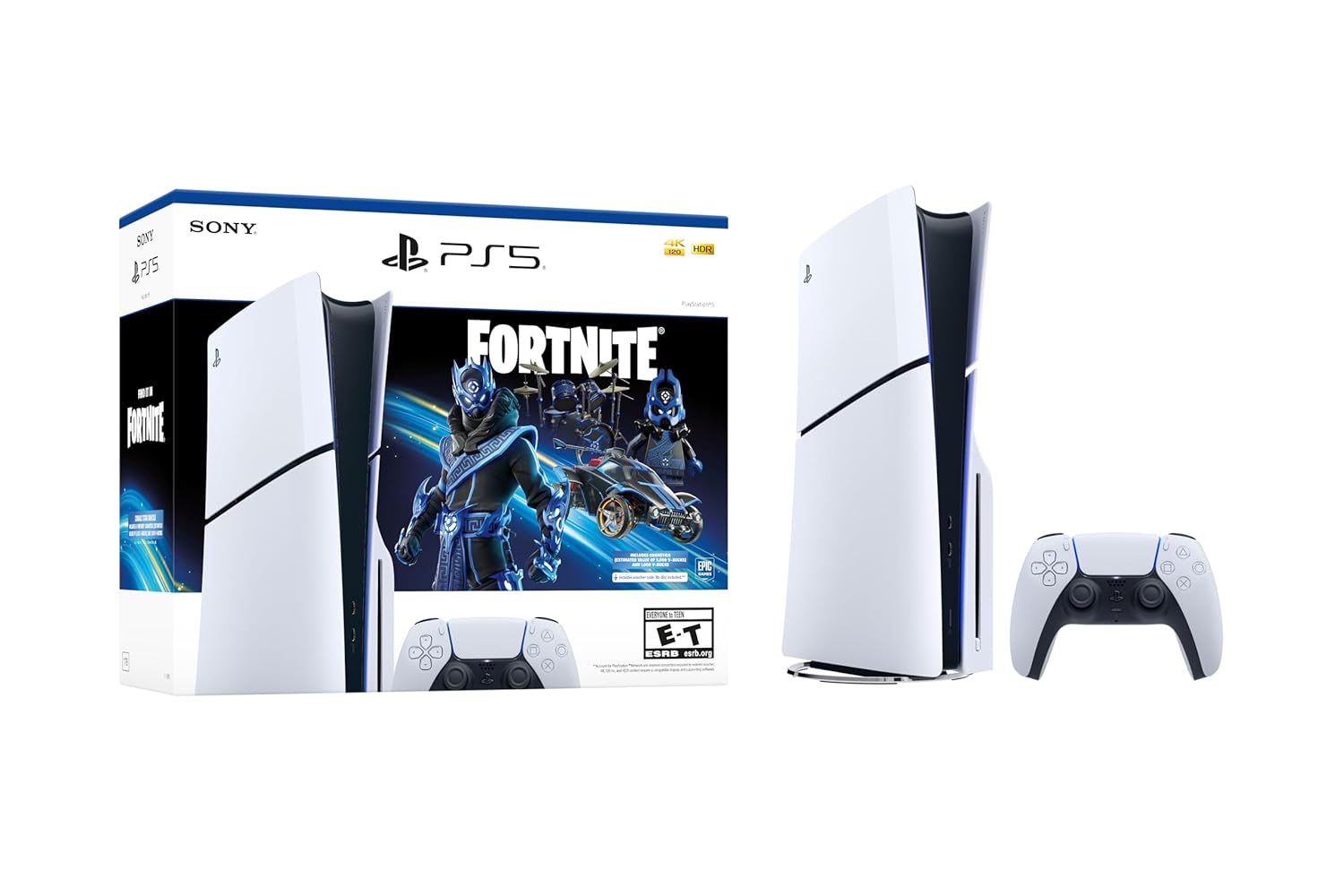
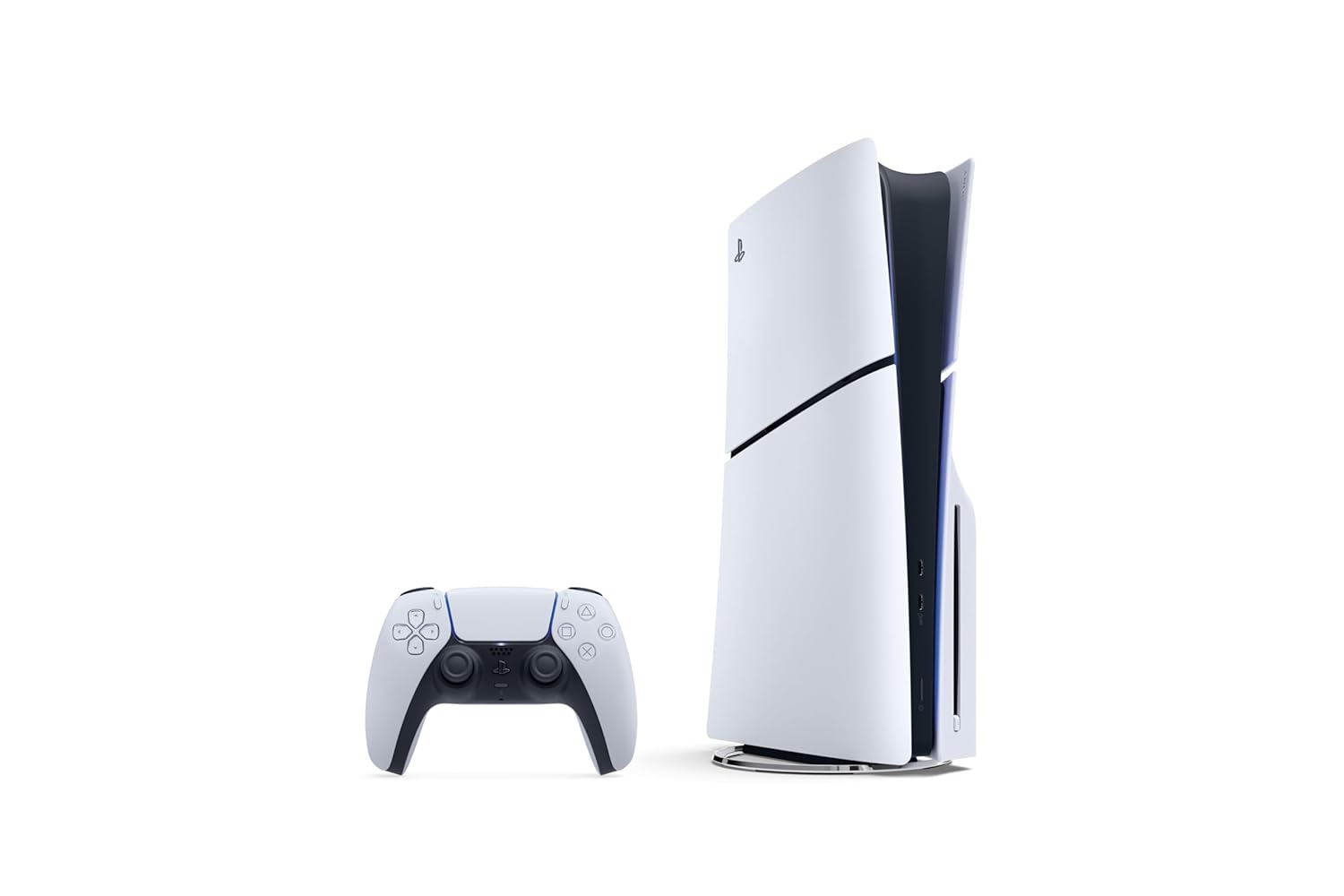
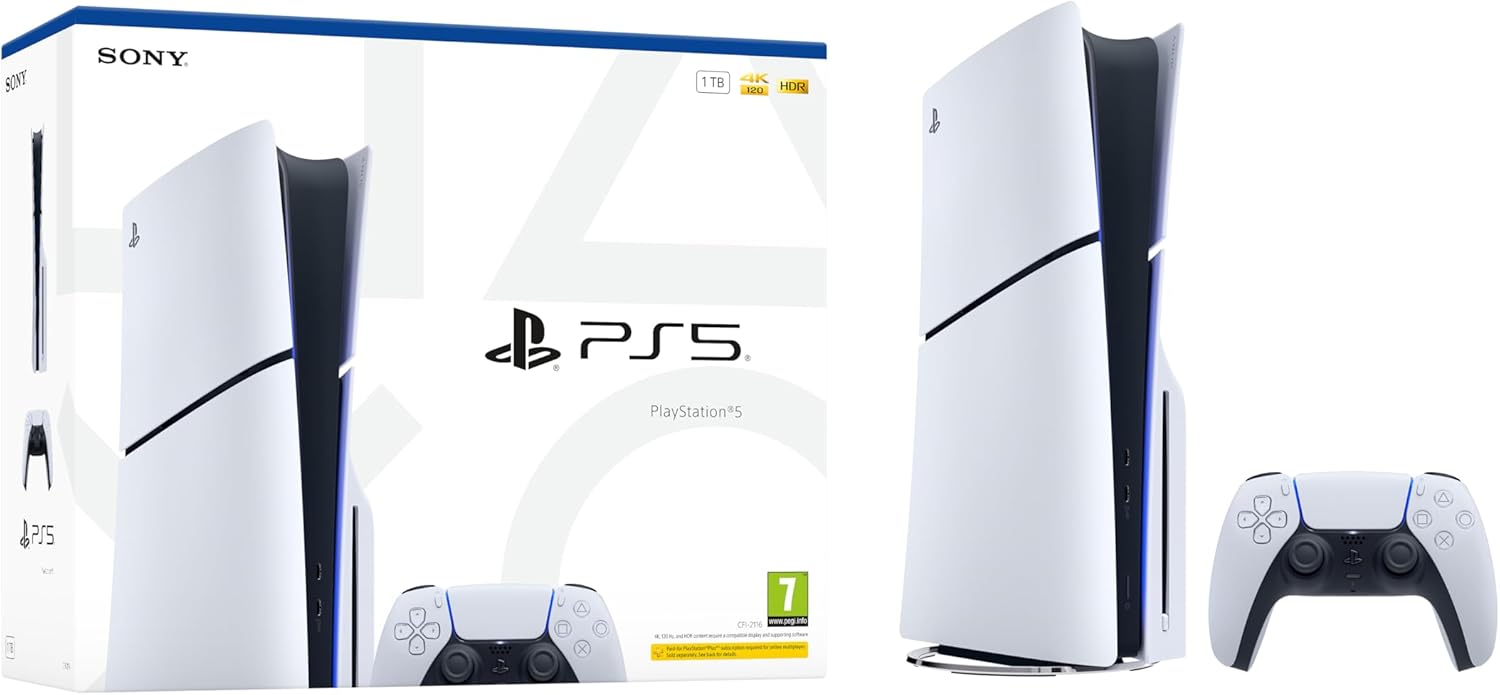
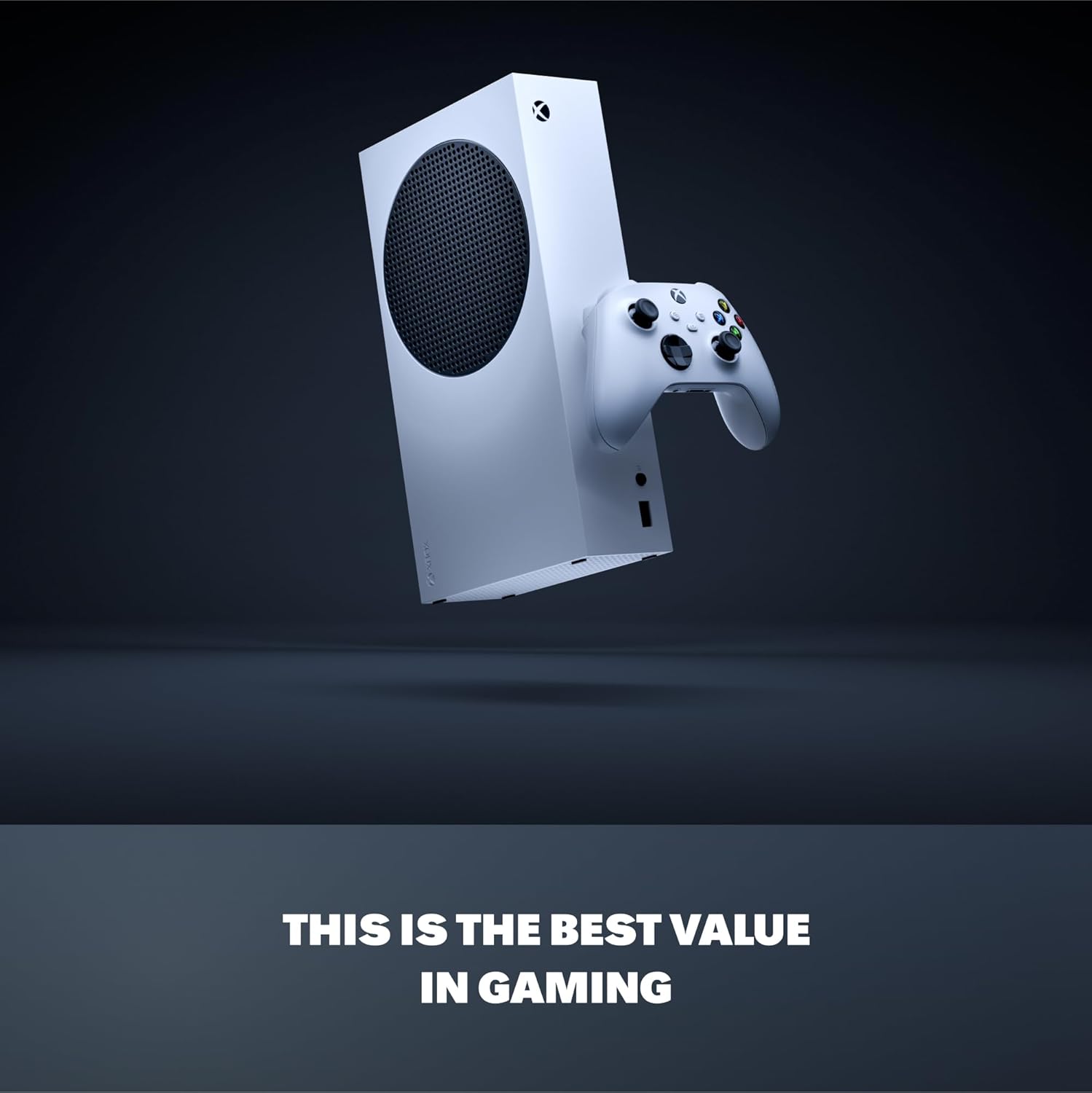
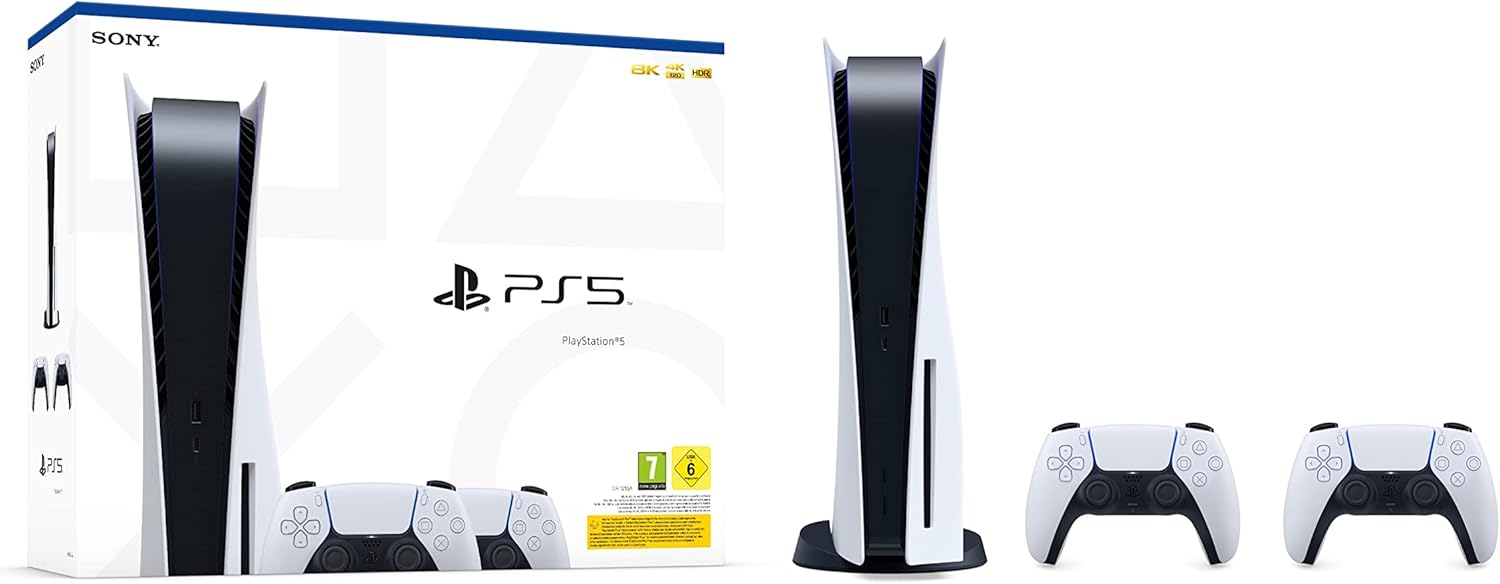
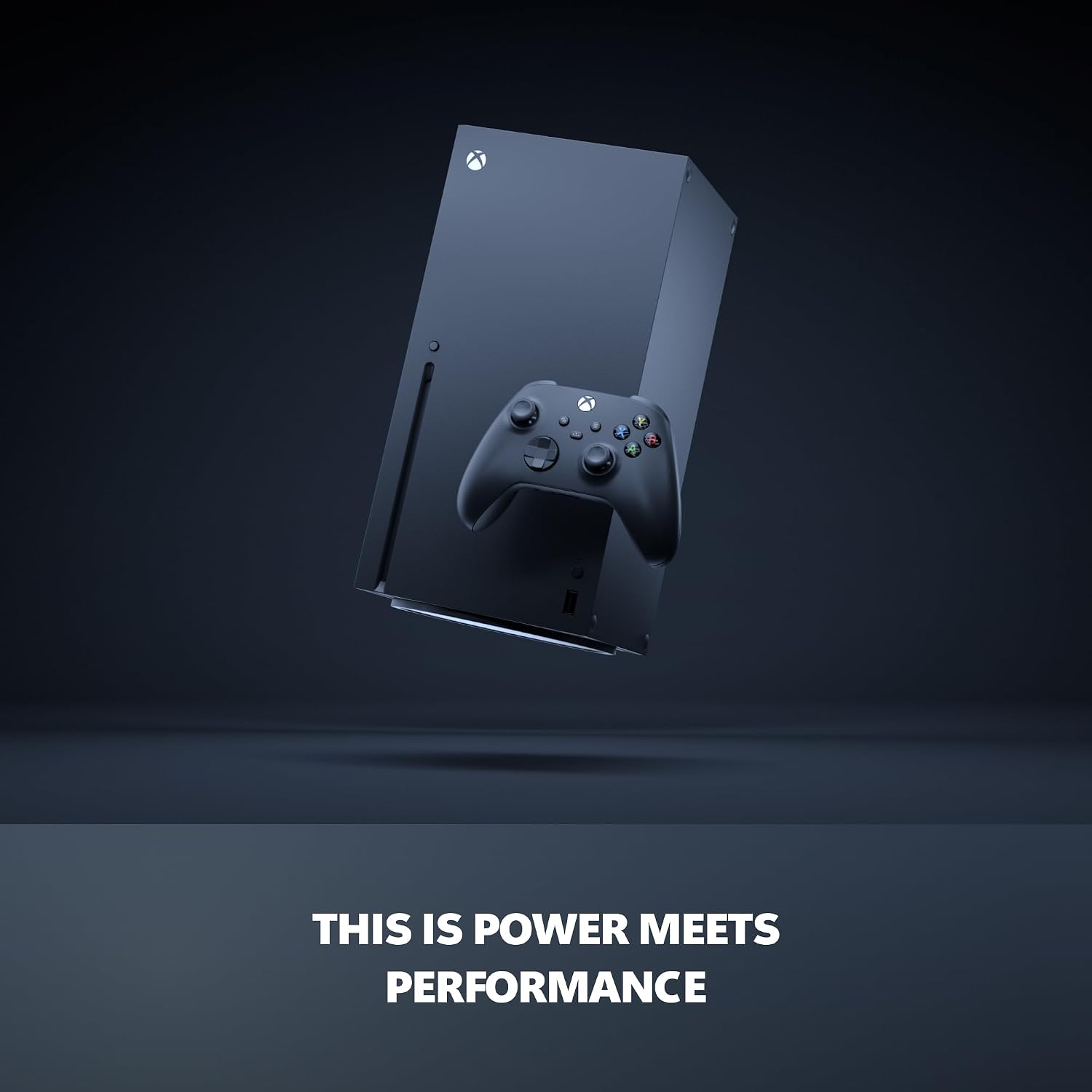
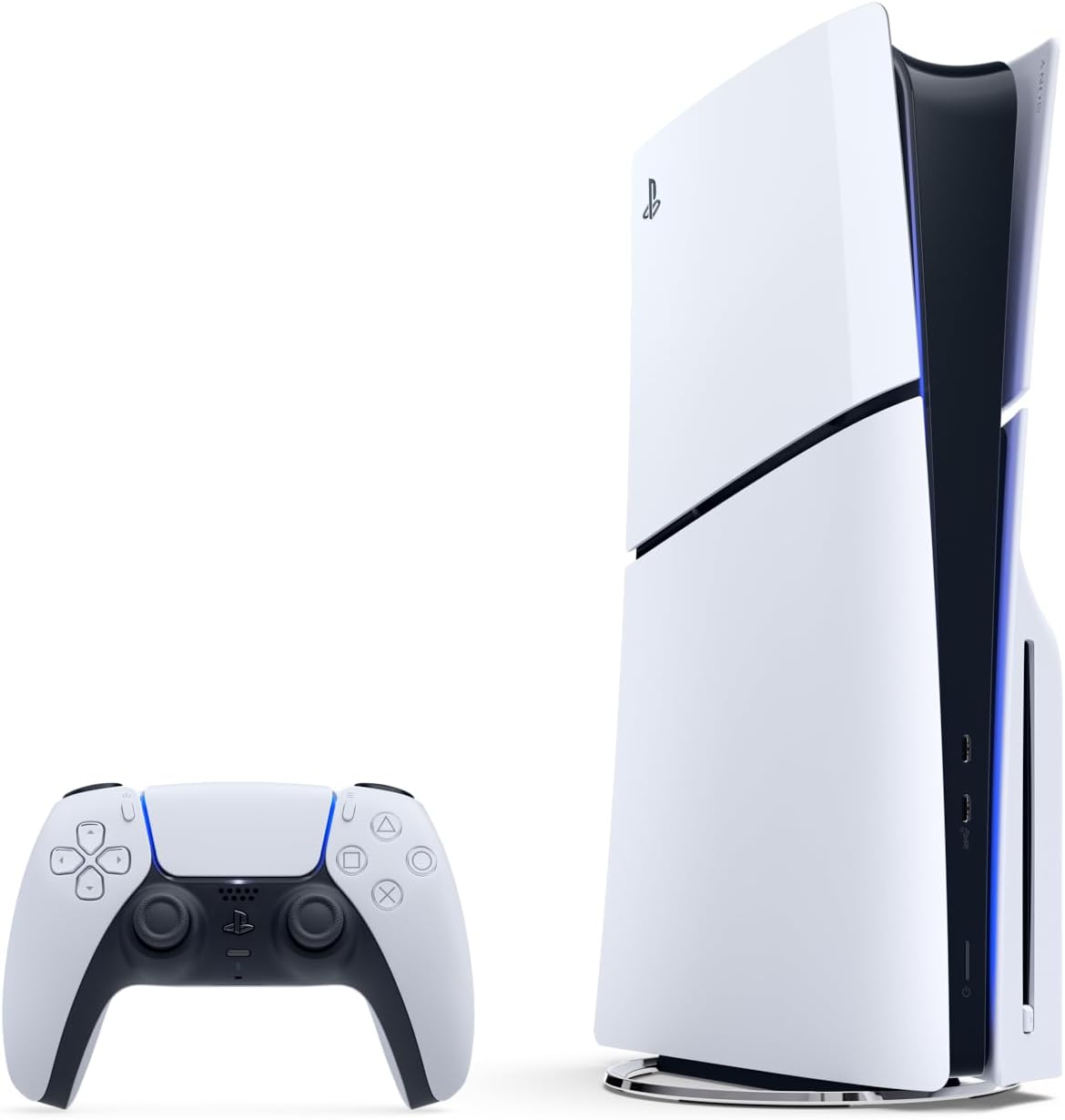
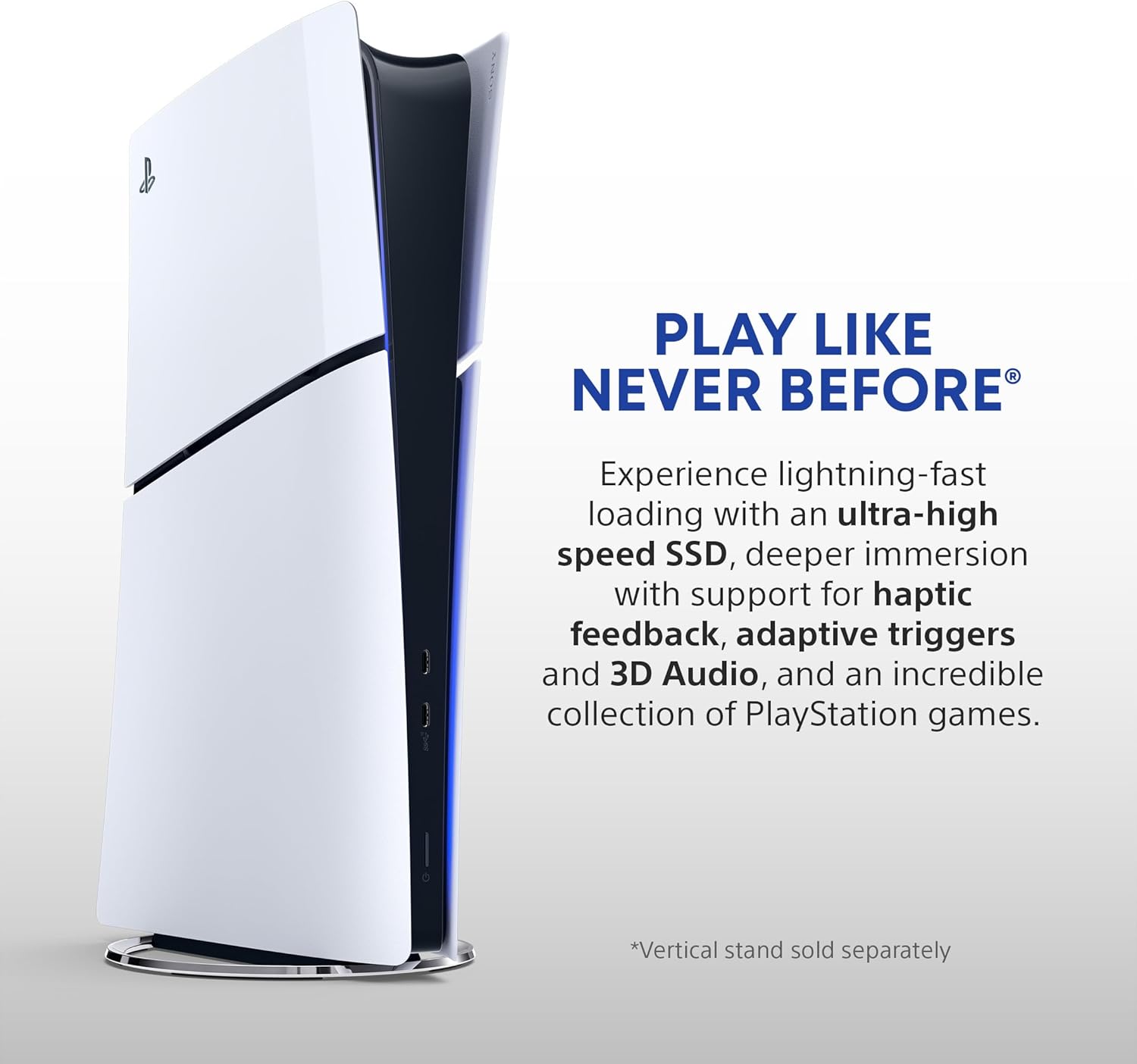
For players who prioritise raw performance in the latest generation of home consoles, the main battle still happens between Xbox and PlayStation systems. An Xbox Series console focuses on high fps gaming, fast loading times, and deep integration with the Game Pass subscription service. The latest PlayStation console emphasises cinematic exclusives, refined controller haptics, and a strong ecosystem of narrative driven games.
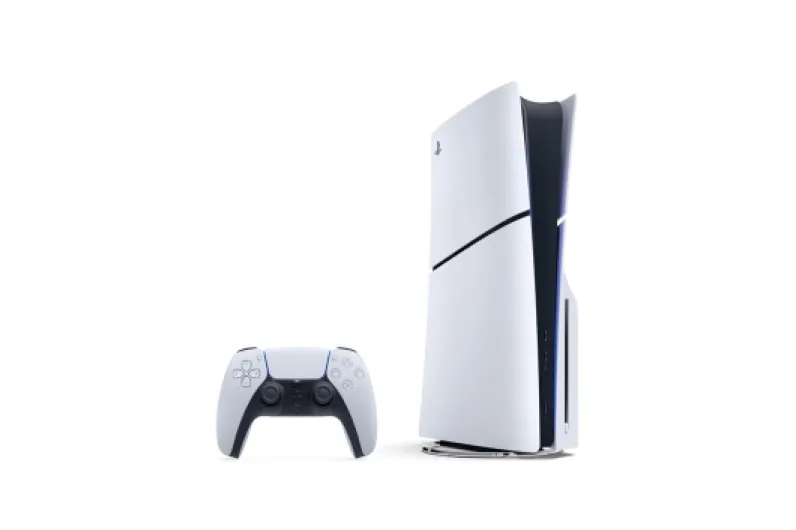
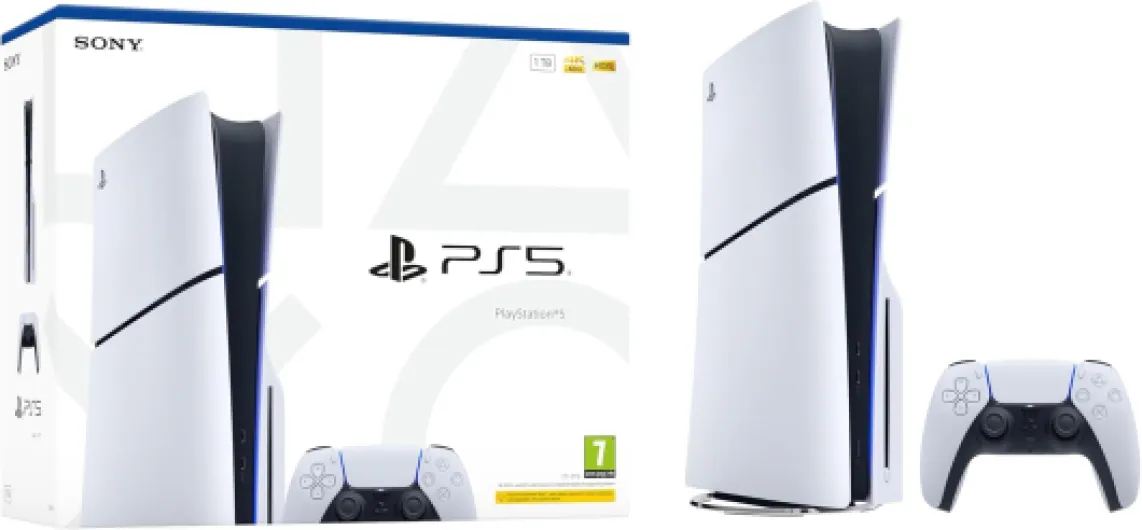
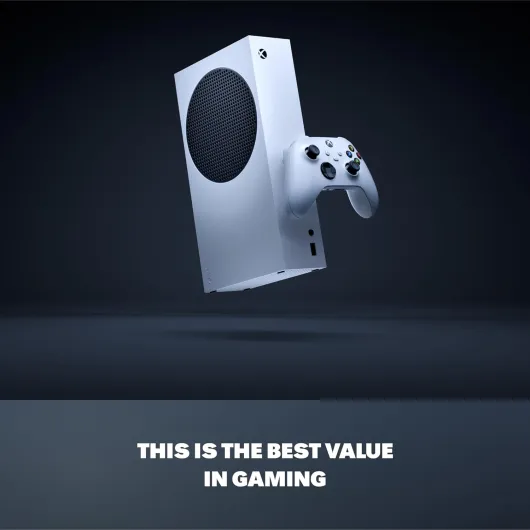
When you compare an Xbox Series X console with a PlayStation 5 console, you are really weighing ecosystem and services against exclusive games and controller feel. Xbox Series X offers up to 12 teraflops of GPU power and 16 GB of GDDR6 memory, while PlayStation 5 delivers around 10.3 teraflops with similarly fast RAM and a custom SSD. If your friends already play on one console series, that social network can matter more than a small performance difference in a benchmark.
Game Pass remains one of the strongest reasons to buy an Xbox Series console, because it turns the console into a rotating library of hundreds of games for a single monthly fee. New releases, indie games, and older Xbox games from previous generations all appear in the same interface, which makes the Xbox platform particularly attractive for players who like to sample many games. For someone building their first gaming console collection, Game Pass can delay the need to buy individual games for months.
PlayStation counters this with a tiered subscription service and a catalogue of high profile exclusives that often define a generation of gaming. If you care deeply about specific franchises such as God of War or The Last of Us, then the best console for you is the PlayStation console that runs those games at their highest performance settings. Many review best roundups highlight how these exclusives shape the identity of the platform and justify the buy for story focused players.
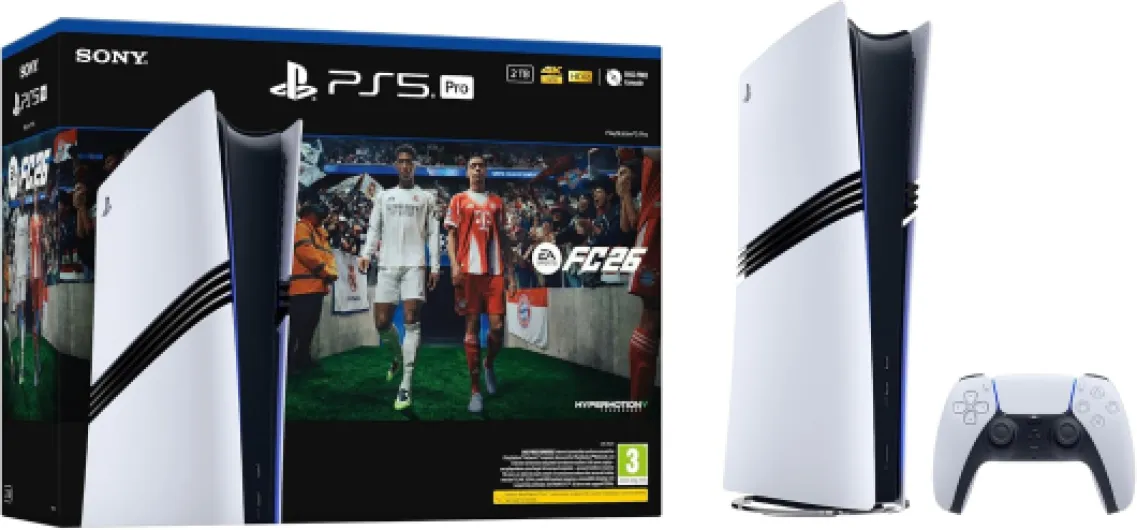
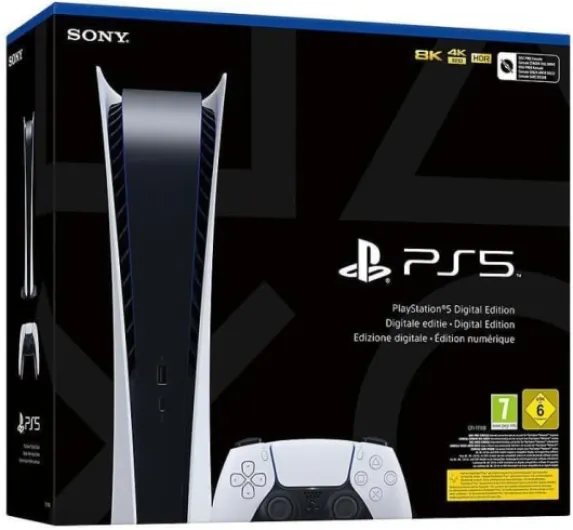
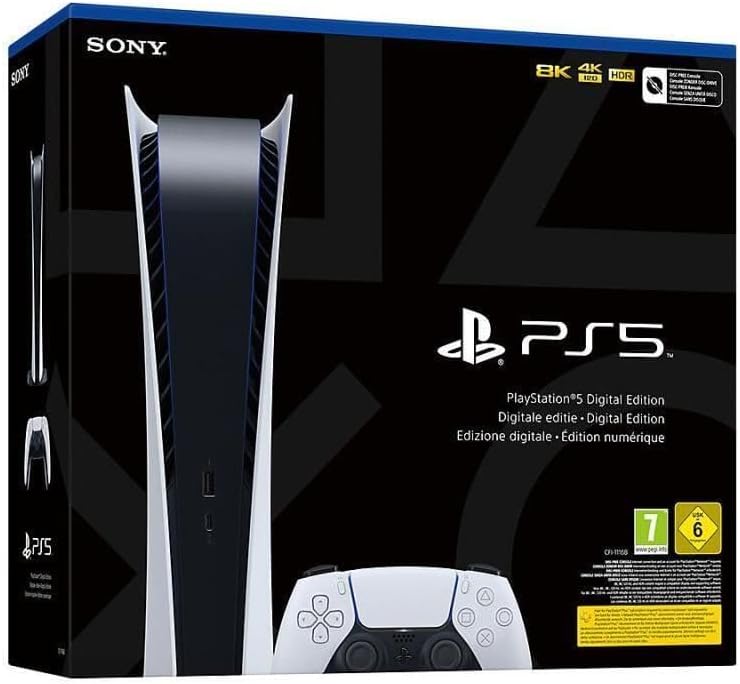
Price sensitive buyers should also consider the digital only editions of both Xbox and PlayStation consoles, which remove the disc drive but keep the same core performance. These editions are often the best entry point into the latest generation, especially when bundled with a few games or a Game Pass trial. Before you buy, compare the cost of digital games in your region with physical editions, because resale value and promotions can shift the long term economics of each console.
For readers who want a deeper breakdown of hardware tiers, accessories, and ideal use cases for each major console, a specialised guide to top gaming consoles for hardcore gamers can complement this overview. That type of guide usually dives into fps targets, storage expansion strategies, and controller options for competitive gaming. Use it alongside this analysis to align your console choice with both your budget and your performance expectations.
Nintendo Switch and its family: flexible gaming for every age
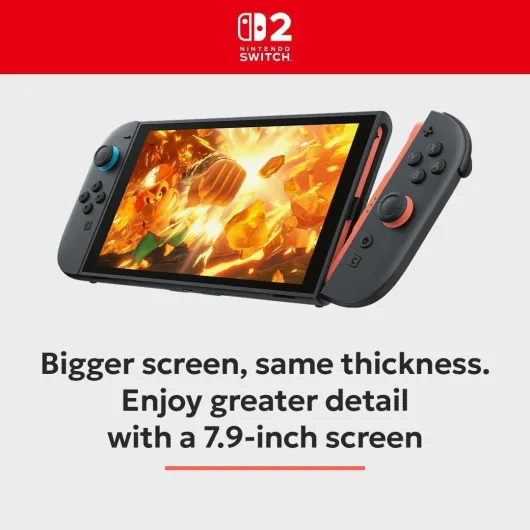
Among the best latest generation gaming consoles, the Nintendo Switch family stands apart for its hybrid design and playful ecosystem. A standard Nintendo Switch console can dock to a television for traditional gaming or undock for handheld gaming on the go. This flexibility makes the Switch platform a great choice for families, commuters, and anyone who values local multiplayer games.
The Nintendo Switch Lite focuses entirely on handheld gaming, trading television output for a lighter body and a lower price. For players who never plan to dock the console, the Switch Lite can be the best handheld option in the Nintendo ecosystem, especially for younger gamers with smaller hands. Parents often appreciate the durable design, strong parental controls, and the wide range of age appropriate games available on the Nintendo eShop.
At the premium end, the Switch OLED model upgrades the screen to a vivid Deck OLED style panel, which dramatically improves colour and contrast in handheld mode. This edition of the console is ideal for players who spend most of their time in portable mode and want the best image quality for games like The Legend of Zelda or Splatoon. While performance remains similar across Switch models, the visual upgrade in the OLED edition makes everyday gaming feel more luxurious.
Nintendo’s approach to performance differs from Xbox and PlayStation, because the Switch platform targets moderate fps and efficient battery life rather than chasing maximum power. Many games run at 30 fps with dynamic resolution, yet the art direction and gameplay design often compensate for the lower raw performance. For most players who choose a Nintendo Switch console, the charm of the games matters more than the technical metrics.
Backward looking players will notice how Nintendo’s handheld gaming heritage stretches from the original Game Boy through the DS line to the modern Switch series. That history explains why Nintendo still dominates the family friendly handheld gaming console space, even as PC based handhelds grow. If you want a simple, reliable device that plays great games without complex settings, a Nintendo Switch or Switch Lite remains an easy buy.
Anyone interested in how we reached this point in console design can benefit from a detailed article on the evolution of gaming consoles. Understanding the shift from cartridge based systems to hybrid consoles and powerful gaming handheld devices helps you interpret current marketing claims. It also clarifies why Nintendo prioritises playful game design and portability over chasing the highest fps numbers.
Steam Deck, ROG Ally, Lenovo Legion: the rise of the PC gaming handheld
While traditional consoles still anchor the best latest generation gaming consoles, PC based handhelds such as Steam Deck, Asus ROG Ally, and Lenovo Legion Go have created a new category. These devices run full PC operating systems, allowing you to play a vast library of PC games in a handheld format. For players with large Steam libraries, a Steam Deck or Steam Deck OLED can instantly unlock years of back catalogue games on the sofa or during travel.
The Steam Deck family focuses on value and ecosystem integration, with Valve optimising both hardware and software for handheld gaming. The newer Deck OLED edition improves the screen, reduces weight slightly, and extends battery life, which directly enhances long sessions in demanding games. Many review best lists now treat the Steam Deck OLED as the reference point for PC gaming handheld devices because of its balance of price, performance, and comfort.
Asus ROG Ally and Lenovo Legion Go push harder on raw performance, using AMD Ryzen Z1 and Ryzen Z1 Extreme processors to drive higher fps at 1080p resolutions. These gaming handheld systems often include advanced cooling, high refresh rate screens, and flexible performance modes that let you trade fps for battery life. When tuned aggressively, a ROG Ally or Legion handheld can rival a mid range gaming laptop in many modern games.
The phrase rog xbox sometimes appears in discussions because players connect these handhelds to Xbox ecosystems through Game Pass streaming or Windows installations. In practice, an Asus ROG Ally can act as an Xbox Ally of sorts, running Xbox app titles and cloud gaming while still functioning as a full PC. This hybrid identity blurs the line between console and PC, giving you more ways to buy and play games across platforms.
Choosing the best handheld among Steam Deck, ROG Ally, and Lenovo Legion depends on your priorities and your tolerance for tweaking settings. Steam Deck offers the most console like experience with curated compatibility lists, while ROG Ally and Legion devices reward users comfortable with Windows maintenance and driver updates. If you mainly want to press power and play, Steam Deck or Deck OLED may be the better gaming console style choice.
Battery life remains the main compromise in this category, because powerful AMD Ryzen chips draw significant power under load. Independent testing by multiple hardware outlets typically reports roughly two to three hours of intense fps gaming on a ROG Ally or Legion Go at high settings, compared with longer sessions on a Nintendo Switch or Switch Lite. Careful use of performance profiles, frame rate caps, and lower resolutions can extend battery life without sacrificing too much visual quality.
Balancing budget, services, and hidden costs when you buy a console
Once you have narrowed your shortlist of the best latest generation gaming consoles, the next step is to calculate the real cost of ownership. The sticker price of a gaming console or gaming handheld rarely tells the full story, because services, accessories, and games quickly add up. A careful buyer looks beyond the initial buy and estimates total spending over the first two years.
Subscription services such as Game Pass on Xbox Series consoles, PlayStation Plus on Sony systems, and Nintendo Switch Online on Nintendo hardware all change how you access games. These services can reduce the need to buy individual games at launch, but they also introduce ongoing monthly costs that rival the price of a new game every few months. When you compare consoles, include at least one subscription in your budget if you plan to play online multiplayer or enjoy cloud gaming features.
Handheld gaming devices such as Steam Deck, ROG Ally, and Lenovo Legion Go introduce different cost patterns, because many players already own large PC game libraries. In those cases, the main new spending goes into storage upgrades, protective cases, and perhaps a dock for television output, rather than buying many new games. A review best practice is to list all expected accessories and their prices before you commit to a specific edition or series of handheld.
Living room consoles often require extra controllers, charging docks, and sometimes storage expansion cards, especially on certain Xbox Series models. These accessories can significantly raise the effective price of what initially looked like the best budget console. Always check whether a special edition bundle includes useful extras or only cosmetic items such as themed controller shells.
Some players explore rental or financing options for high end consoles, particularly when they want a premium edition with maximum storage. Before choosing that route, it is worth reading an analysis of the real rental cost for a PlayStation 5, because similar principles apply across platforms. You will often find that a straightforward buy, combined with careful game purchasing, delivers better long term value than extended rental agreements.
Energy consumption and battery life also contribute to ongoing costs and comfort, especially for handheld gaming. A more efficient AMD Ryzen configuration can lower heat and fan noise while extending battery life, which matters if you play away from power outlets. When you evaluate the best latest generation gaming consoles, remember that quiet operation, cool surfaces, and predictable running costs are part of overall performance, not separate from it.
Matching consoles to player profiles: from casual to competitive
The phrase best latest generation gaming consoles means different things to different players, so aligning hardware with your profile is essential. Casual players who enjoy a few hours of gaming each week usually prioritise simplicity, comfort, and a curated library of games. Competitive players, by contrast, chase fps performance, low latency, and precise control options.
For a casual or family focused player, a Nintendo Switch console or Switch Lite handheld often represents the best balance of price, portability, and friendly games. The Switch ecosystem excels at local multiplayer, party games, and accessible platformers that work well in short sessions. Battery life on these handheld systems is generally strong enough for long train rides or evenings on the sofa without constant charging.
Story driven players who want cinematic single player experiences will likely gravitate toward a PlayStation console or a high end Xbox Series console. These platforms host many narrative heavy games with advanced graphics, surround sound, and sophisticated controller feedback. When you read a review best roundup for this audience, look for commentary on pacing, accessibility options, and performance modes that let you choose between resolution and fps.
Competitive fps and esports players often prefer Xbox or PlayStation consoles connected to high refresh rate monitors, or they move toward PC based handhelds docked to external displays. In these setups, performance tuning, controller choice, and network stability matter more than exclusive games or flashy edition designs. A gaming handheld such as ROG Ally or Lenovo Legion Go can double as a portable practice machine and a docked competitive rig at home.
Retro enthusiasts and long time gamers sometimes maintain multiple systems, pairing a modern console with a handheld device that evokes the spirit of the Game Boy era. Steam Deck, in particular, has become a favourite for emulation and indie games, while a Nintendo Switch covers first party classics. This multi device approach costs more, but it allows each console or handheld to play to its strengths without compromise.
Whatever your profile, remember that the best gaming console is the one that fits your life, not just the one with the highest benchmark numbers. A quiet, efficient handheld with solid battery life may bring more daily joy than a louder, more powerful box that rarely leaves standby mode. Take time to map your habits honestly before you buy, and you will avoid paying for performance or features you never use.
What to look for in expert reviews of the best latest generation gaming consoles
When you read expert coverage of the best latest generation gaming consoles, focus on reviews that explain trade offs rather than only celebrating new hardware. A trustworthy review best article will test consoles and handhelds across multiple games, genres, and usage scenarios. It should also separate marketing claims from measurable performance, especially around fps targets and battery life.
For living room consoles such as Xbox Series and PlayStation, look for detailed analysis of performance modes, storage management, and ecosystem features like Game Pass. A strong review will show how quickly games load, how smoothly they run at different resolutions, and how easy it is to move between multiple games in a single session. It should also comment on controller comfort, system noise, and heat under sustained load.
For handheld gaming devices such as Nintendo Switch, Steam Deck, ROG Ally, and Lenovo Legion Go, reviewers should test both portable and docked use. Battery life measurements under different performance profiles are crucial, because a handheld that lasts only an hour at high settings may not suit long commutes. Pay attention to how reviewers describe ergonomics, button layout, and screen visibility in bright environments.
Hardware focused reviews of Steam Deck OLED, Asus ROG Ally, and other AMD Ryzen or Ryzen Extreme based handhelds should include thermal imaging or at least surface temperature readings. These details reveal whether a gaming handheld remains comfortable to hold during extended fps sessions or becomes too hot near the grips. They also indicate how effectively the cooling system balances performance and fan noise.
Service oriented analysis should explain how easy it is to buy games, manage subscriptions, and access cloud gaming on each console or handheld. For example, a review of an Xbox Series console should show how Game Pass integrates with your library and how quickly you can resume suspended games. A Nintendo Switch review should clarify the differences between the standard model, Switch Lite, and OLED edition so you can choose the best handheld for your needs.
Finally, prioritise reviewers who disclose their testing methods, note any firmware versions used, and revisit their assessments after major updates. The landscape of the best latest generation gaming consoles shifts as manufacturers patch software, improve performance, and adjust pricing. Reviews that evolve over time will give you a more accurate picture of which console or handheld remains the best buy months after launch.
Key figures about the latest generation gaming console market
- Global console gaming revenue exceeded 50 billion US dollars in 2023 according to Newzoo’s Global Games Market Report, reflecting sustained demand for both traditional consoles and modern gaming handheld devices.
- Industry reports from IDC in 2023 indicate that more than half of active console players subscribe to at least one game service such as Game Pass or PlayStation Plus, showing how services now shape buying decisions.
- Valve has reported in Steam Deck usage summaries that a majority of Steam Deck users play daily, highlighting how handheld gaming has become a core platform rather than a secondary device for many PC gamers.
- Surveys from the Entertainment Software Association in 2023 show that the average player owns more than one gaming device, confirming that many households combine a living room console with at least one handheld gaming console.
- Battery life tests from multiple hardware review outlets consistently show a range of roughly two to eight hours on modern gaming handheld systems, depending on performance mode and game intensity.