Home consoles compared : Xbox, PlayStation, and Nintendo Switch families
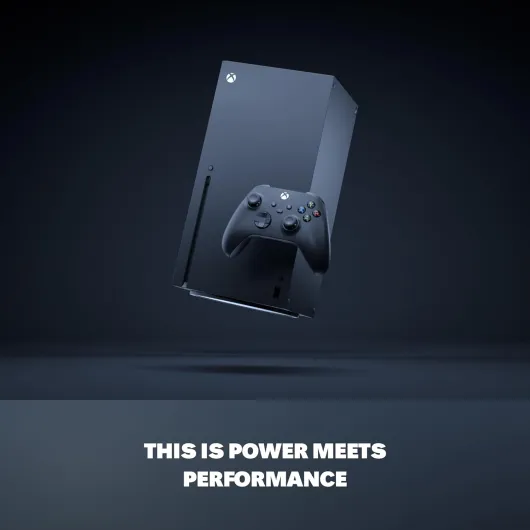
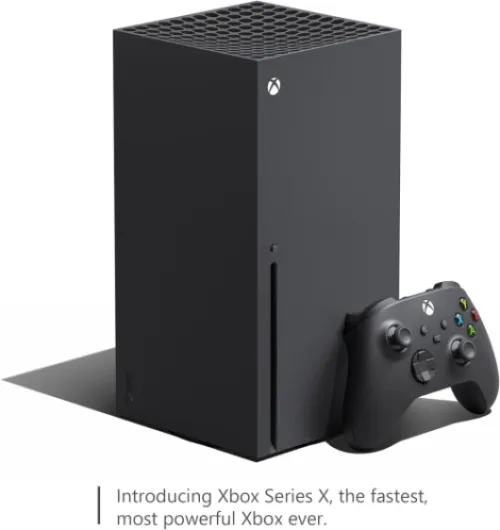
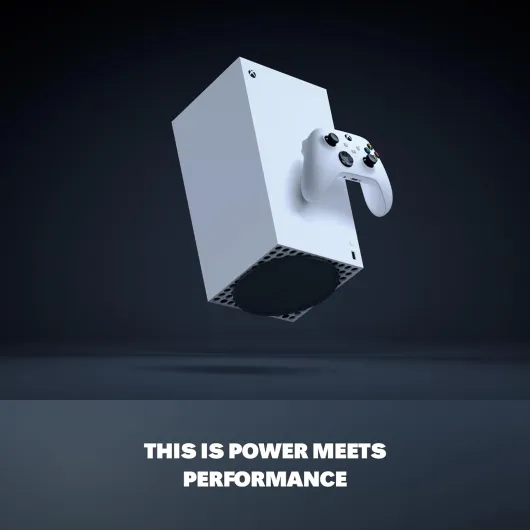
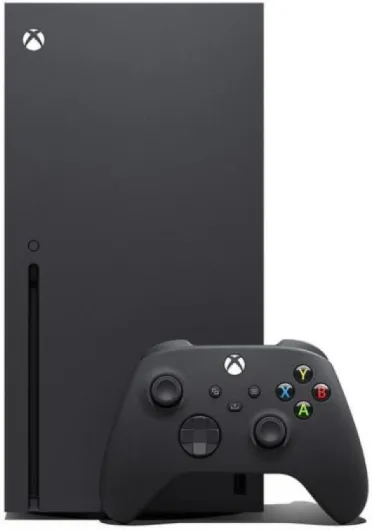
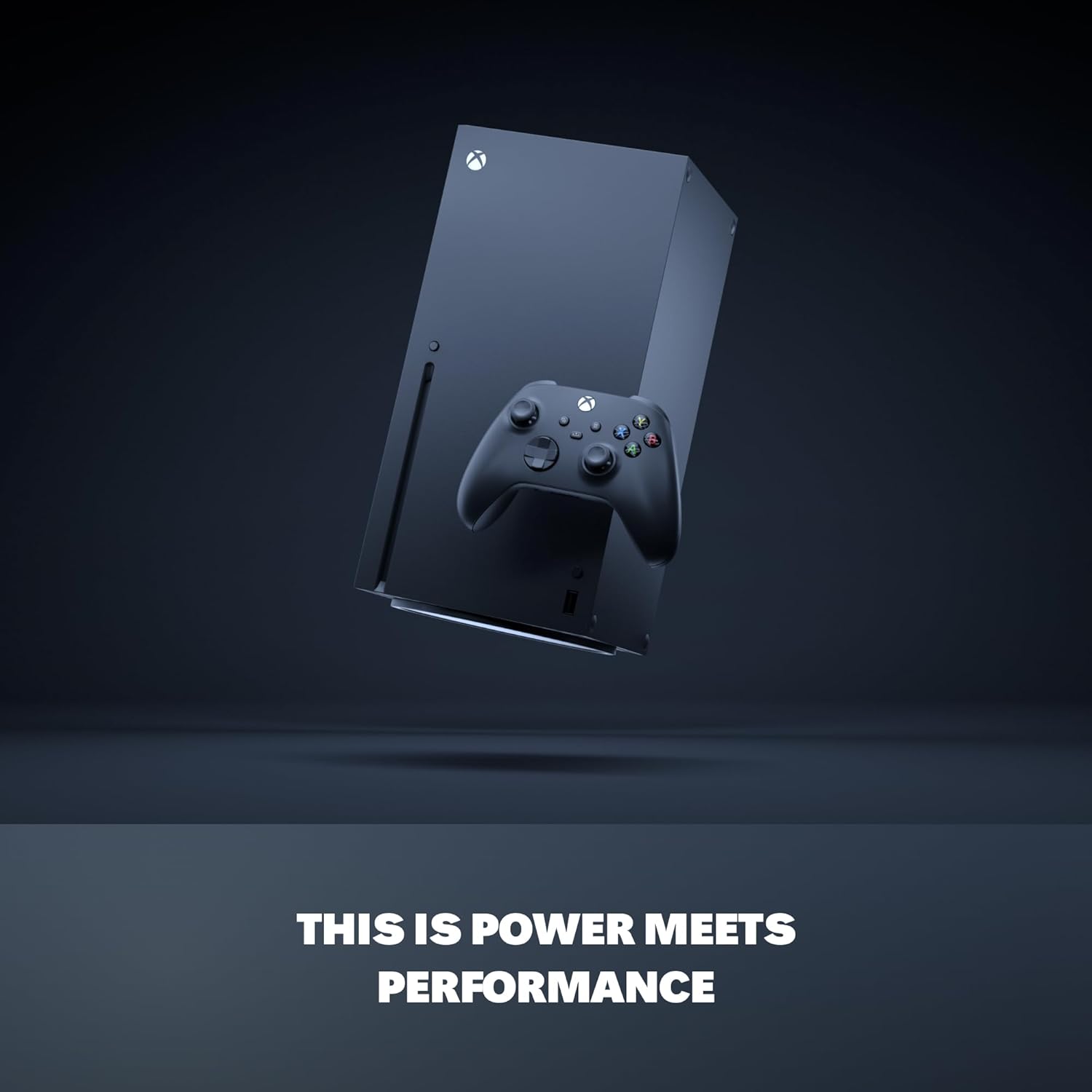
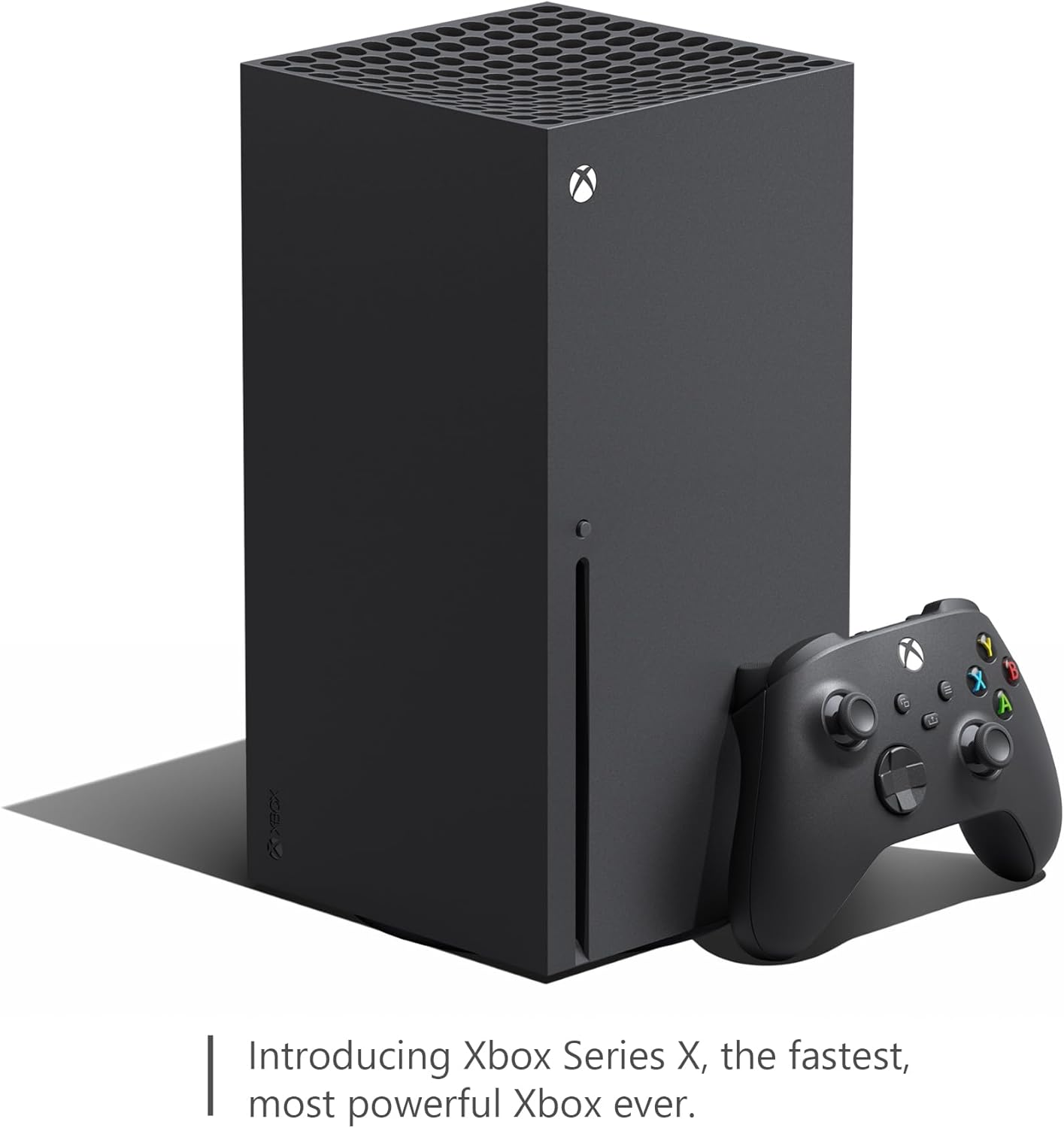
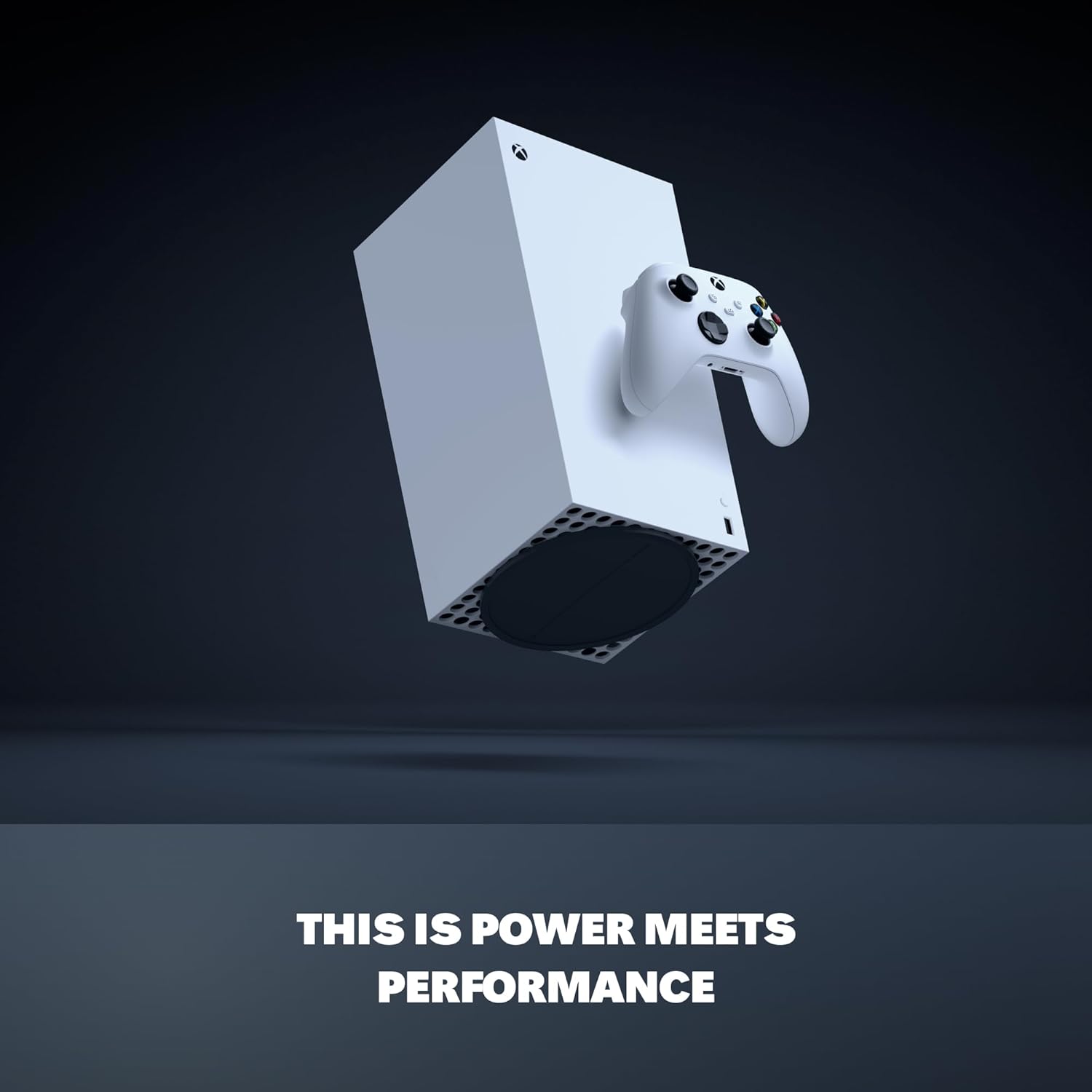
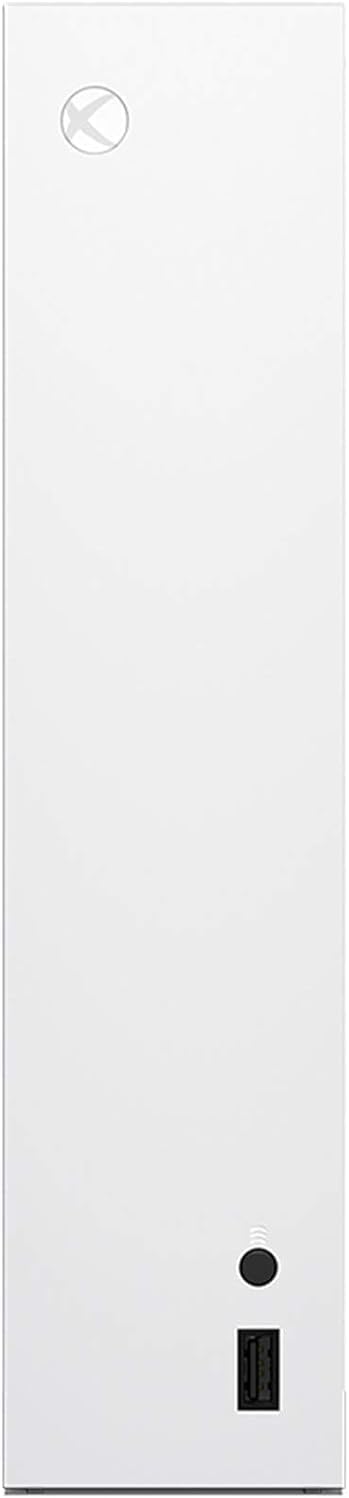
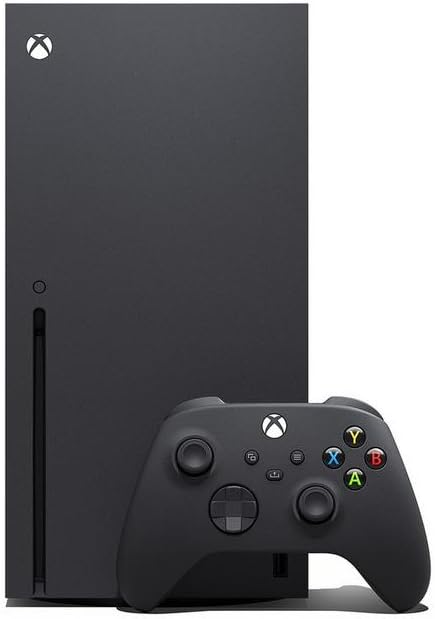
For many players, the best next generation gaming consoles still start with a traditional living room setup. The Xbox Series X and Xbox Series S target different budgets, with the more powerful Xbox Series X offering native 4K gaming at up to 120 FPS in supported titles, while the Series S focuses on 1440p output, 60 FPS targets, and a lower entry cost with a digital only game library. Both consoles integrate Game Pass deeply, turning a single subscription into a rotating catalogue of hundreds of video games you can play instantly.
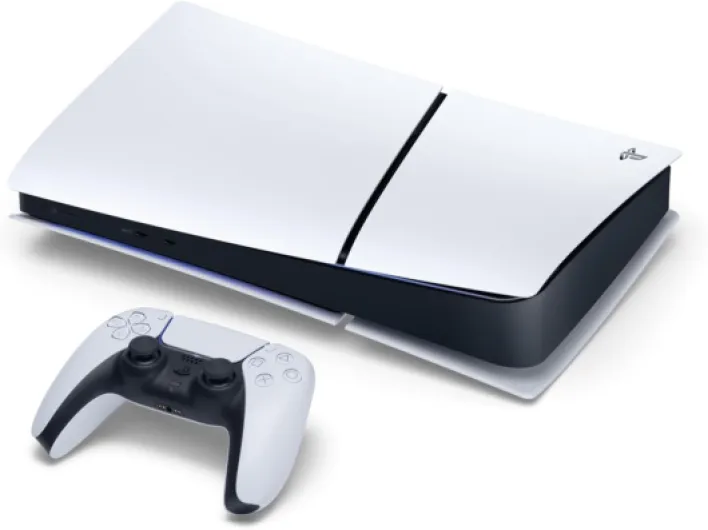
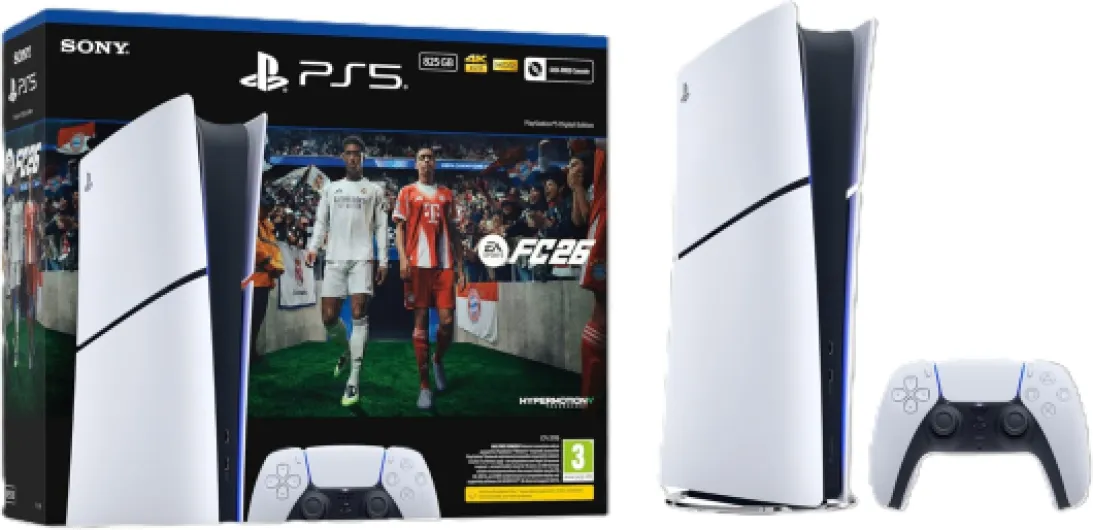
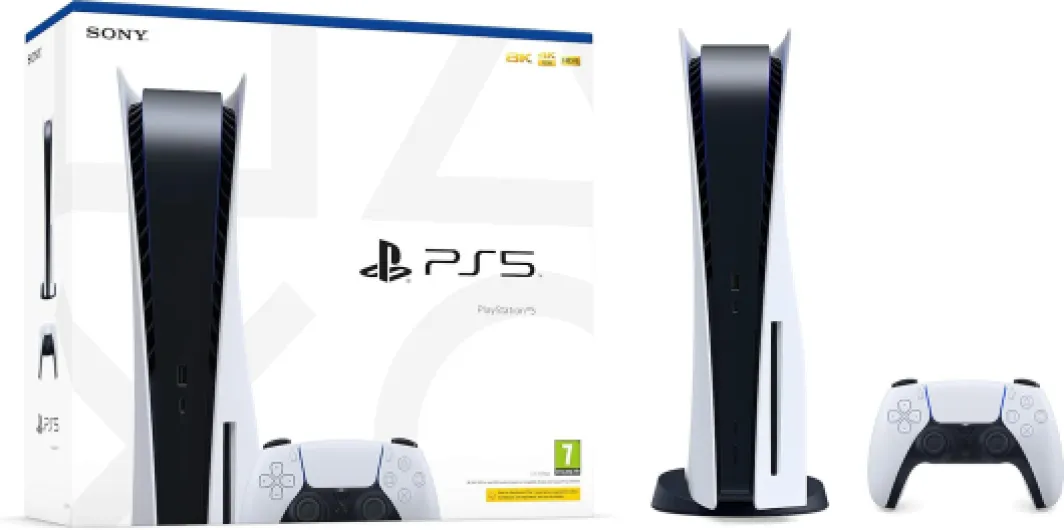
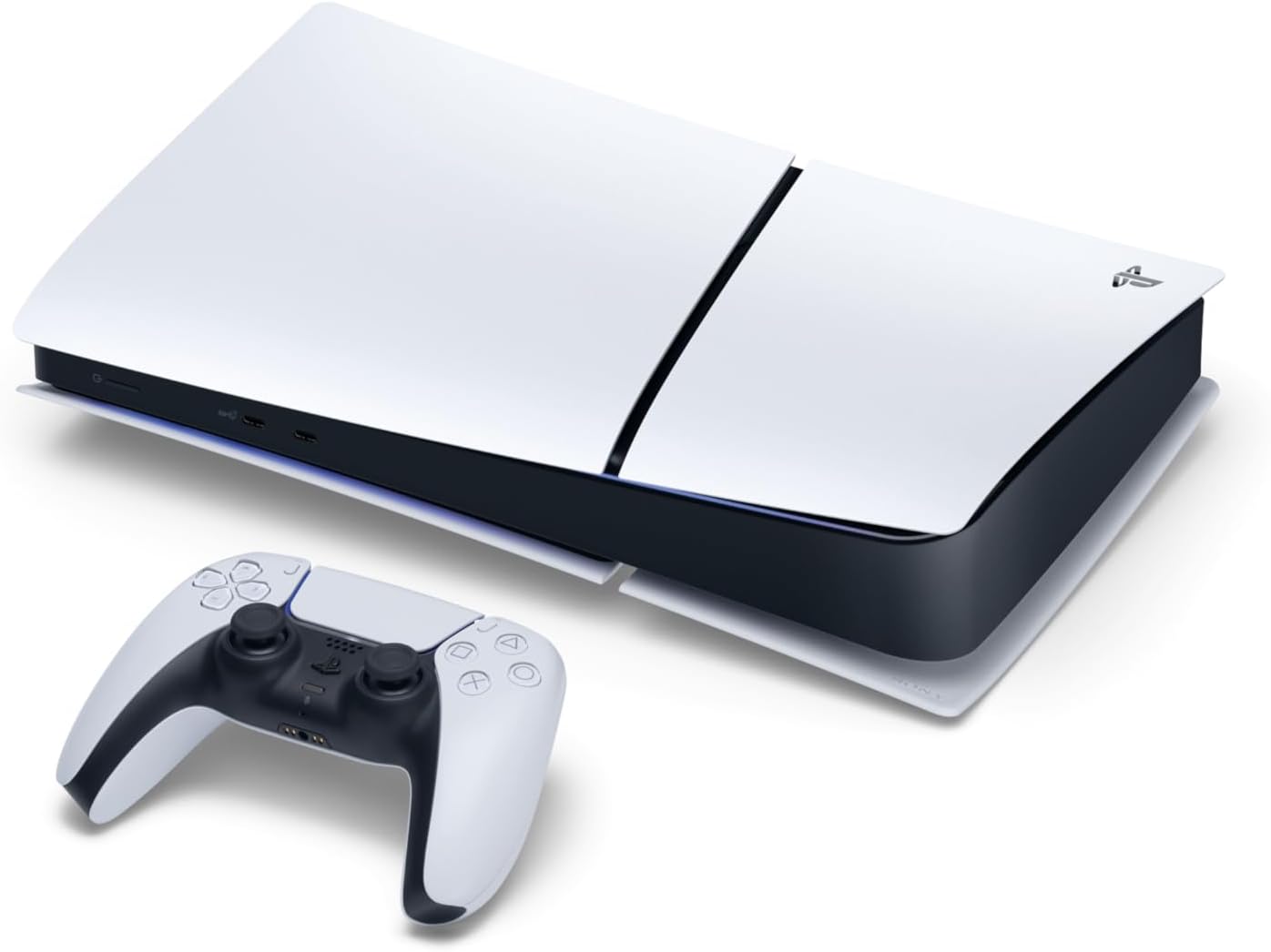
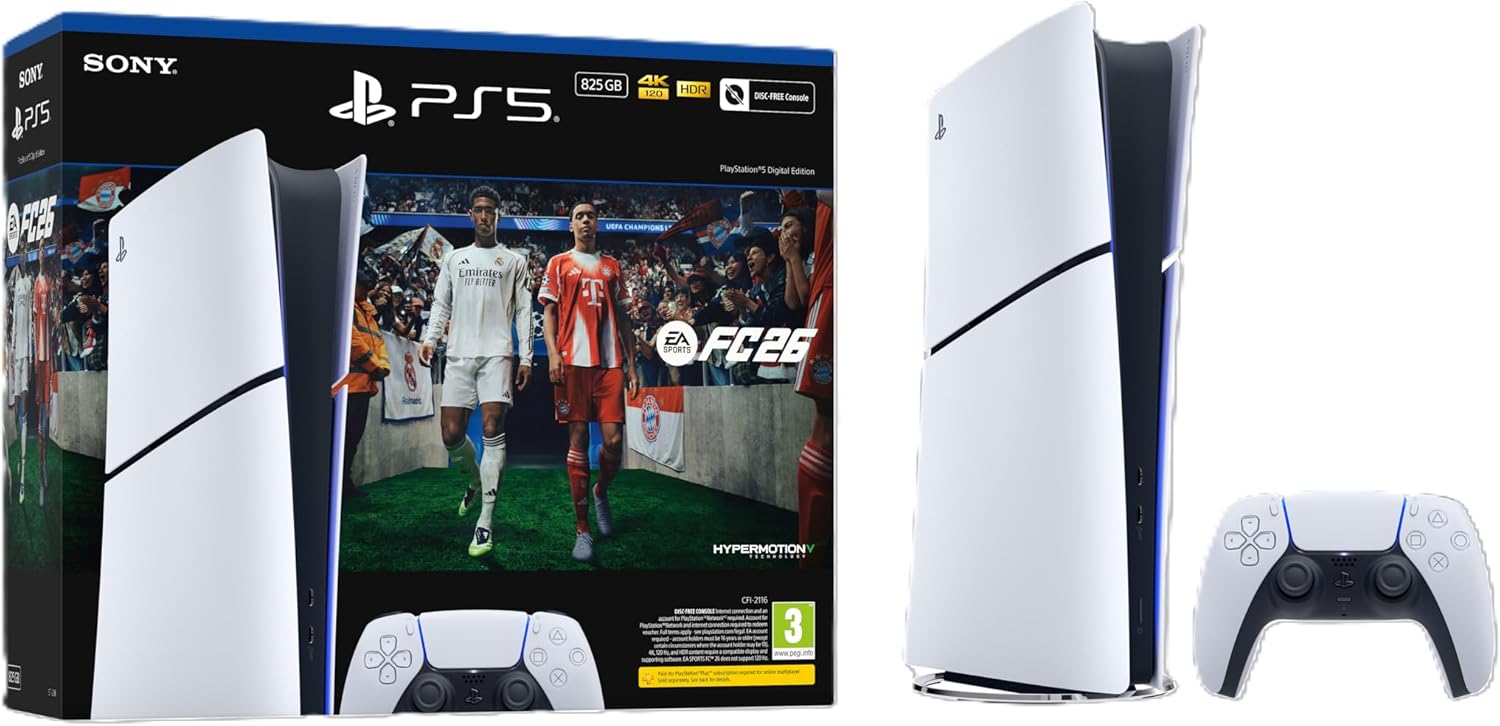
Sony’s latest PlayStation console, the PlayStation 5, takes a different path, prioritising cinematic single player games and strong Blu ray support for physical media collectors. The standard PlayStation 5 includes an Ultra HD Blu ray drive, while the Digital Edition removes it for a lower price. If you value story driven games with cutting edge visuals, the PlayStation ecosystem remains a benchmark among high end next generation gaming consoles, especially when paired with a high refresh rate television for smooth FPS performance. For players comparing Xbox versus PlayStation, a detailed breakdown of ecosystem strengths in a dedicated guide to modern game consoles can clarify which console will better match your habits.
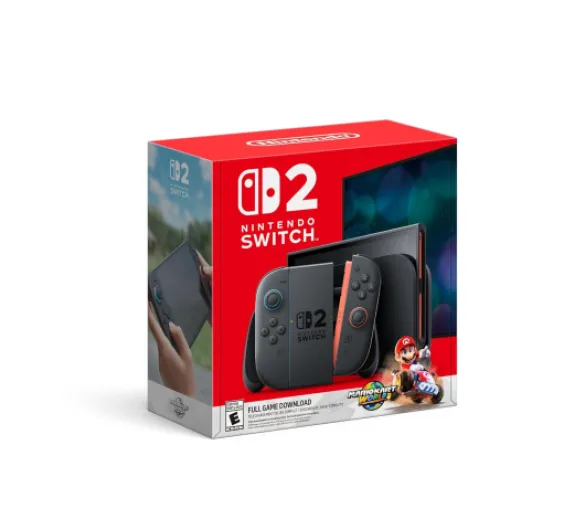
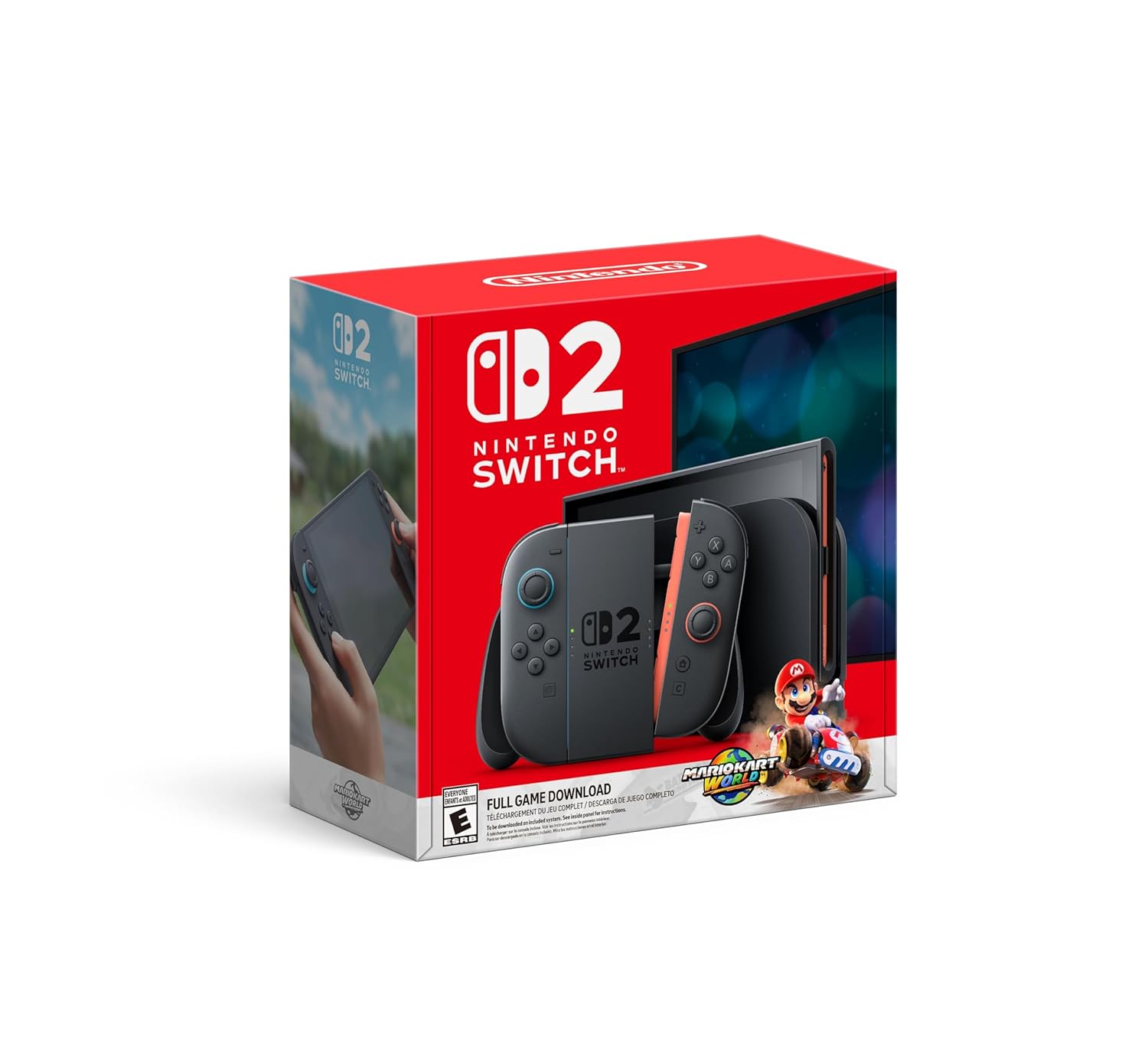
Nintendo takes a unique approach with the Nintendo Switch and its smaller sibling, the Switch Lite, both of which combine handheld gaming with docked television play. The standard Switch outputs up to 1080p when docked and 720p in handheld mode, while the Lite remains handheld only but keeps the same 720p screen resolution. While these consoles rarely chase the highest FPS or most advanced graphics, they excel at flexible play styles and iconic Nintendo games that run well on modest hardware. For families, younger players, or anyone who values portability over raw power, the Nintendo Switch consoles remain among the best next generation gaming consoles in terms of versatility and social play.
Handheld gaming powerhouses : Steam Deck, Asus ROG Ally, Lenovo Legion, and MSI Claw
Portable devices have transformed what we mean by the best next generation gaming consoles, especially for players who travel frequently. Valve’s Steam Deck effectively shrinks a gaming PC into a handheld console, letting you play your existing Steam games library on the go with surprisingly strong FPS at low to medium settings. According to Valve’s own guidance, typical battery life ranges from around 2 hours in demanding 3D games to 7–8 hours in lighter indie titles, depending on settings and Wi Fi use.[1] Battery life varies depending on the game, but careful tweaking of resolution and frame rate will usually deliver several hours of continuous play.
Asus ROG Ally, Lenovo Legion Go, and MSI Claw push this handheld gaming trend further by using powerful laptop class processors and high refresh rate screens. The ROG Ally, for example, offers a 7 inch 1080p display with up to a 120 Hz refresh rate and runs on AMD Ryzen Z1 or Ryzen Z1 Extreme chips, while Lenovo Legion Go pairs an 8.8 inch QHD+ panel with detachable controllers. The ROG Ally and its close cousin sometimes nicknamed the “ROG Xbox” by enthusiasts focus on Windows based flexibility, which means you can install Xbox Game Pass, Steam, and other launchers on a single handheld gaming console. Lenovo Legion and MSI Claw handheld consoles follow a similar philosophy, giving players PC like freedom while still feeling like dedicated game consoles in the hand.
These handheld consoles sit alongside, rather than replace, traditional devices like Nintendo Switch and Switch Lite in the best next generation gaming consoles conversation. Competitive players who care about FPS in shooters will still favour a powerful Xbox Series or PlayStation console at home, then use a Steam Deck or ROG Ally as a travel companion for single player games. If you are interested in how these devices fit into organised play, an overview of esports venues and competitive arenas shows how handheld gaming remains complementary to high end tournament setups.
Key buying criteria : performance, battery life, and ecosystem value
When comparing the best next generation gaming consoles, start with performance targets that match your expectations. If you want high FPS in competitive games, prioritise an Xbox Series X, a powerful PlayStation model, or a high end handheld such as Asus ROG Ally or Lenovo Legion with a strong cooling system. Players who mainly enjoy slower paced video games or family friendly Nintendo titles can accept lower FPS and instead focus on portability and comfort.
Battery life is critical for any handheld gaming console, whether you choose Steam Deck, MSI Claw, or Nintendo Switch. The Steam Deck’s 40 Wh battery, for instance, can last roughly 2–8 hours depending on game intensity,[1] while many Windows based handhelds with similar capacity show comparable ranges in independent tests. Demanding games will drain batteries faster, so a device that lasts five hours with indie games may drop to two hours with a visually intense game, which matters if you travel often. For home consoles like Xbox Series or PlayStation, power draw replaces battery life as a concern, and low energy modes will reduce long term running costs without affecting how you play most games.
Ecosystem value often outweighs raw hardware specifications when ranking the best next generation gaming consoles. Xbox Game Pass offers strong value across Xbox consoles, some handheld Windows devices, and even PC, while PlayStation leans on exclusive games and robust Blu ray support for collectors. Nintendo Switch consoles, including Switch Lite, trade subscription depth for a focused library of Nintendo games that rarely appear on rival game consoles, which will matter if you care more about specific franchises than about maximum FPS.
Use cases : matching consoles to different players and households
Different players will rank the best next generation gaming consoles differently depending on where and how they play. A student in a small flat might prefer a single Nintendo Switch that works as both a handheld and docked console, while a competitive shooter fan will likely choose an Xbox Series X or high end PlayStation for stable FPS and low input lag. Families often mix consoles, using a Switch Lite for younger children and a main gaming console in the living room for shared video games.
Travel heavy professionals often see the Steam Deck, Asus ROG Ally, Lenovo Legion, or MSI Claw as ideal companions for long train journeys or hotel evenings. These handheld consoles let you play PC and console style games without carrying a full laptop, though you must manage battery life carefully and accept some compromises on FPS in the most demanding titles. For players who split time between platforms, cross play support in many modern games means you can start a game on Xbox or PlayStation at home and continue on a handheld gaming device through cloud services where network quality will allow it.
Households that enjoy local multiplayer games should consider how many controllers, profiles, and parental controls each console supports. Nintendo Switch consoles excel at quick local play with detachable controllers, while Xbox and PlayStation consoles offer robust online services and voice chat for remote friends. If you are curious about cross platform compatibility for specific titles, such as whether you can play certain games across different consoles, a focused article on cross platform play options can help you plan purchases more confidently.
Media features, storage, and long term value
Beyond pure gaming, the best next generation gaming consoles double as media hubs for many households. Xbox Series and PlayStation consoles both support major streaming apps and, in higher end models, physical Blu ray discs for film enthusiasts who value uncompressed audio and image quality. Nintendo Switch and Switch Lite focus more tightly on games, with fewer media apps but a lighter, more playful interface that keeps the console centred on video games.
Storage capacity directly affects how many games you can keep installed at once, especially as next generation titles grow larger. Xbox and PlayStation consoles offer internal SSDs from around 512 GB to 1 TB with expansion options, while handheld devices like Steam Deck, Asus ROG Ally, Lenovo Legion, and MSI Claw rely on a mix of internal storage tiers and microSD cards, which will influence how quickly you can switch between games. Players who favour digital purchases should plan for higher capacity models or budget for expansion, because low storage will quickly become a frustration on any gaming console.
Long term value also depends on how each manufacturer supports its consoles with updates, new game releases, and backward compatibility. Xbox emphasises cross generation support, letting many older games run on Xbox Series consoles with improved FPS and loading times, while PlayStation and Nintendo each curate their own mix of remasters and online libraries. When you weigh up the best next generation gaming consoles, think about how your library will grow over several years and how each console will keep your favourite game or games playable into the future, rather than focusing only on launch line ups or short term image credit marketing campaigns that promise more than they can credit future performance with.
Statistics : key figures on next generation gaming consoles
- Global console gaming revenue exceeded 50 billion US dollars according to Newzoo’s 2023 market report,[2] with next generation consoles driving most hardware sales compared with previous generations.
- Surveys from the Entertainment Software Association (ESA) report that more than 70 percent of players use consoles to play video games at least weekly,[3] highlighting how central game consoles remain despite the growth of mobile gaming.
- Valve has stated in community updates that a majority of Steam Deck owners use the device daily,[1] indicating strong engagement for handheld gaming compared with traditional portable consoles.
- Market analysts estimate that Nintendo Switch family sales have surpassed 130 million units worldwide,[4] placing these consoles among the best selling game systems in history.
- Reports from Microsoft and Sony indicate that Xbox Series and PlayStation consoles now account for a large share of 4K capable gaming devices in living rooms,[5] accelerating adoption of high refresh rate televisions and home cinema setups.
Quick comparison table : flagship next generation gaming consoles
| Device |
CPU / GPU (summary) |
RAM |
Display |
Battery (approx.) |
Storage options |
Typical price band* |
| Xbox Series X |
Custom AMD Zen 2 / RDNA 2 |
16 GB |
Up to 4K, 120 FPS (TV dependent) |
AC powered |
1 TB SSD + expansion card |
Upper mid to premium |
| PlayStation 5 |
Custom AMD Zen 2 / RDNA 2 |
16 GB |
Up to 4K, 120 FPS (TV dependent) |
AC powered |
825 GB SSD + NVMe slot |
Upper mid to premium |
| Nintendo Switch |
Custom Nvidia Tegra |
4 GB |
6.2 inch 720p handheld / 1080p docked |
Approx. 4–9 hours |
32 GB + microSD |
Entry to mid range |
| Steam Deck |
AMD APU (Zen 2 / RDNA 2) |
16 GB |
7 inch 1280×800, 60 Hz |
40 Wh, roughly 2–8 hours |
64–512 GB + microSD |
Mid range |
| Asus ROG Ally |
AMD Ryzen Z1 / Z1 Extreme |
16 GB |
7 inch 1080p, up to 120 Hz |
Approx. 40 Wh, 2–7 hours |
512 GB SSD + microSD |
Upper mid range |
*Price bands are indicative and vary by region, storage tier, and promotions.
Executive recommendations : choosing the right console quickly
If you want the most powerful living room experience with 4K and high FPS, prioritise Xbox Series X or PlayStation 5 and pick based on exclusive games and controller feel. Players who care most about family friendly titles and flexible play should look first at Nintendo Switch or Switch Lite, accepting lower graphical power in exchange for portability and local multiplayer. Travellers and PC focused users will get the most value from Steam Deck or Windows based handhelds like Asus ROG Ally, Lenovo Legion Go, and MSI Claw, which trade some battery life for access to large digital libraries and PC style settings.
Budget constrained buyers can start with Xbox Series S, a standard Nintendo Switch, or an entry level Steam Deck, then expand storage later as libraries grow. If you already own a large collection of games on a specific platform, staying within that ecosystem will usually deliver the best long term value, especially when backward compatibility and subscription services are factored in.
References
- Valve Corporation, Steam Deck technical and community documentation (battery life guidance and usage notes).
- Newzoo, Global Games Market Report 2023 (console revenue estimates).
- Entertainment Software Association, Essential Facts About the Video Game Industry 2023 (player behaviour statistics).
- Nintendo Co., Ltd., consolidated sales data and hardware shipment reports (Nintendo Switch family unit sales).
- Microsoft and Sony investor presentations and hardware briefings (4K capable console install base and TV adoption trends).