Xbox Series and PlayStation versus PC style handheld gaming
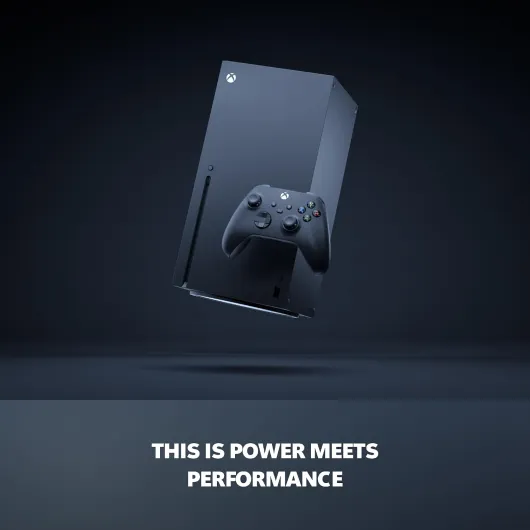
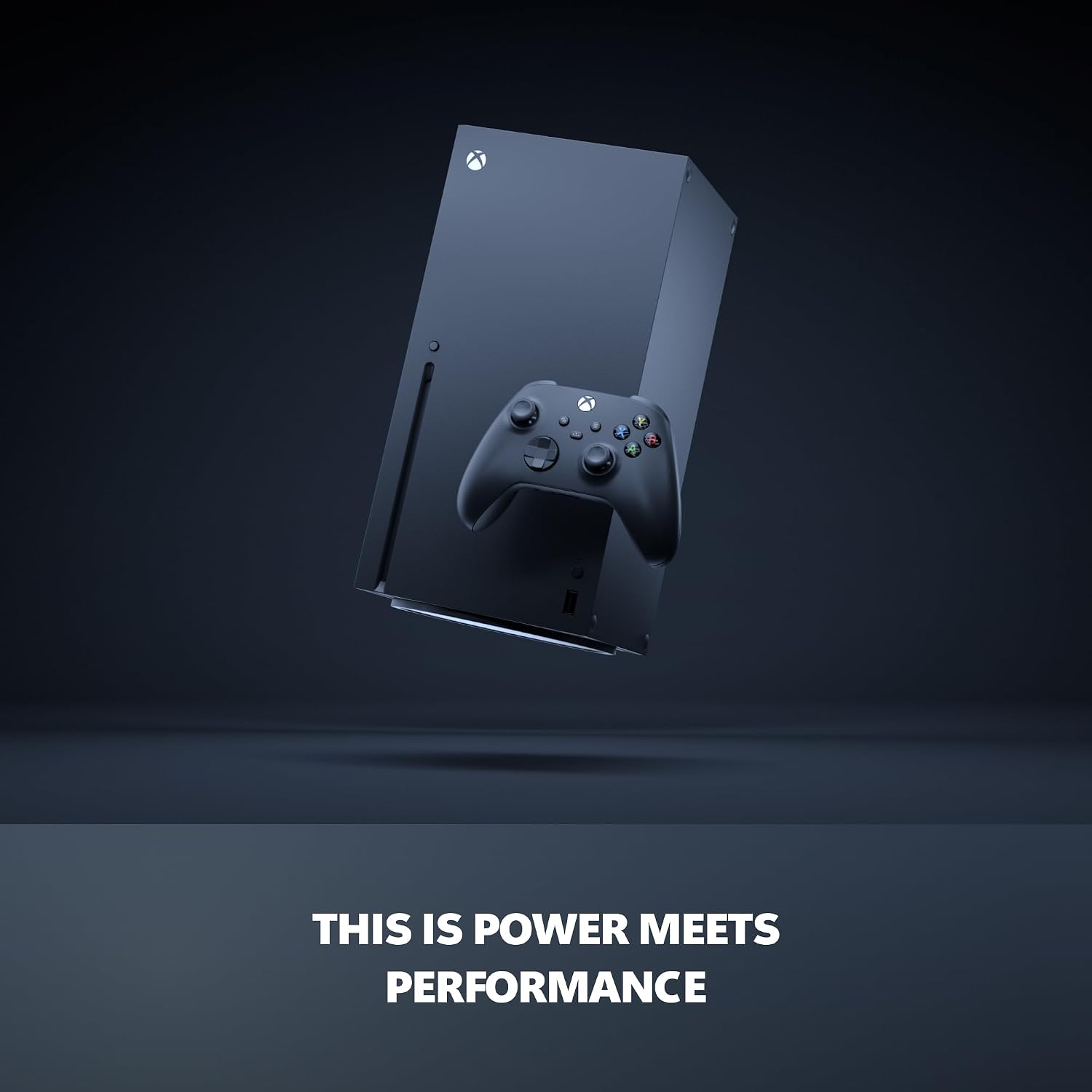
When you weigh the best gaming consoles for competitive gaming, the Xbox Series X and Series S offer a clear, console first experience with minimal tweaking. You get standardized hardware, a familiar Xbox controller, and services like Game Pass that keep your library of games fresh without constant purchases. For many players, this predictable environment is a strong reason to buy, especially if you value plug and play simplicity.
PC style handhelds such as Steam Deck, Asus ROG Ally, Lenovo Legion Go, and MSI Claw sit on the other side of the spectrum. These handheld gaming devices behave like compact gaming PCs, letting you adjust every image setting, cap fps, and undervolt to balance performance and battery life for each game. That flexibility can be one of the main reasons to choose a handheld, but it also becomes a reason to avoid them if you dislike constant tweaking.
Disc based systems still matter for competitive players who share physical games or attend offline events. If you want a deeper look at optical drive machines that complement your Xbox Series or PlayStation setup, a dedicated guide to top disc based gaming consoles explains how they fit into modern esports ecosystems. For some teams, a disc based console remains the best backup ally when digital storefronts or internet connections fail at crucial tournament moments.
Handheld rivals: Steam Deck, Asus ROG Ally, Lenovo Legion, and MSI Claw
Among handheld gaming systems, Valve’s Steam Deck popularized the idea of taking full PC games on the move. The original Steam Deck targets 800p resolution and often runs esports titles at low or medium settings to sustain competitive fps while preserving battery life. For many players, that balance between performance and portability makes the Steam Deck one of the best gaming consoles for competitive gaming on trains, planes, or hotel desks.
Asus ROG Ally, Lenovo Legion Go, and MSI Claw push harder on raw performance by using more powerful chips and higher refresh rate screens. The Asus ROG Ally in particular can outpace the Steam Deck in many games, though it often sacrifices battery life unless you limit power modes or drop image quality. These handhelds give you reasons to buy into the Windows ecosystem, but they also create reasons to avoid them if you dislike driver updates, launcher conflicts, and the occasional future image bug that breaks a favorite game.
Deck OLED models of Valve’s handheld improve screen quality and efficiency, which helps both image clarity and endurance during long gaming sessions. When you compare Steam Deck OLED to an Asus ROG Ally or Lenovo Legion Go, you trade some peak fps for richer colors and better battery life, which can matter more in slower competitive games like card battlers or turn based strategy. For twitch shooters, though, the extra performance of an Asus ROG Ally or similar handheld ally may still be the best choice.
Nintendo Switch, Switch Lite, and the role of family friendly competition
Not every competitive player lives inside ranked ladders and esports brackets. Nintendo Switch and Switch Lite consoles focus on accessible games that still offer intense local and online competition, from Mario Kart to Super Smash Bros and Splatoon. For many households, these Nintendo systems become the best gaming consoles for competitive gaming nights with friends and family.
The standard Nintendo Switch doubles as both a handheld gaming device and a docked console, which makes it uniquely flexible. You can play on a television with multiple controllers, then undock for handheld gaming on the sofa or during commutes without losing access to your favorite game. Switch Lite removes the dock and focuses entirely on handheld play, which becomes a reason to buy for solo players who want a lighter console with strong battery life.
Local multiplayer remains one of the Switch family’s greatest strengths, especially when you explore curated lists of the best local multiplayer Switch games for fun with friends and family. While these titles rarely chase ultra low latency or 240 fps targets, they still demand responsive controls and stable performance to keep matches fair. For younger players or mixed skill groups, a Nintendo gaming console often provides the best balance between friendly rivalry and accessible design.
Evaluating image quality, fps targets, and online ecosystems
Competitive players constantly juggle image quality against fps, because sharper visuals mean little if input lag rises. On Xbox Series and similar consoles, most esports games offer performance modes that lower resolution and some image effects to keep fps high and latency low. Choosing these modes is usually the best move when you care about winning more than cinematic presentation.
Online ecosystems also shape which system becomes your primary gaming console. Xbox Game Pass, PlayStation Plus, and Nintendo Switch Online each influence where your friends play, which in turn affects your reasons to buy or reasons to avoid a specific console. If your entire group uses Xbox Series hardware and shares Game Pass libraries, an isolated handheld like a Steam Deck may feel like a weaker ally for social gaming despite its strong performance.
Cross play support has improved, but it is not universal across all games and platforms. Some titles still separate Xbox, PlayStation, Nintendo, and PC pools, which can fragment competitive communities and complicate tournament planning. Before you commit to any console or handheld gaming device, check whether your key game supports cross platform play and whether its ranked modes behave consistently across different systems.
Practical buying checklist: matching consoles to your competitive goals
Choosing among the best gaming consoles for competitive gaming starts with a simple question about where you play most. If you mainly compete at home on a large screen, a powerful Xbox Series or similar next generation console with a low latency monitor will usually serve you better than any handheld. For players who travel frequently, a Steam Deck, Asus ROG Ally, or comparable handheld gaming device can become a vital ally that keeps practice sessions consistent.
Next, consider how much time you want to spend tuning settings versus simply launching games. PC style handhelds like Steam Deck, Asus ROG Ally, Lenovo Legion Go, and MSI Claw reward tinkering with performance profiles, image quality sliders, and fps caps, which can be both a reason to buy and a reason to avoid them. Traditional consoles reduce that complexity, letting you focus on the game itself and on building skills rather than managing drivers or power plans.
Finally, think about future support, accessory ecosystems, and how your console fits into the broader next generation landscape. Resources such as a guide to top next gen consoles help you compare long term update plans, controller options, and storage expansions. When you align these practical details with your preferred games and competitive ambitions, you will find the gaming console that feels less like a gadget and more like a trusted ally in every match.
Key statistics about competitive gaming consoles
- Industry trackers such as Newzoo have estimated global console gaming revenue in the tens of billions of dollars in recent years, with competitive titles such as Fortnite, Call of Duty, and FIFA driving a large share of spending on Xbox, PlayStation, and Nintendo platforms.
- Community surveys from esports organizers and analytics sites, including Esports Charts and ESL reports, consistently show that a clear majority of console competitors prioritize fps and input latency over pure image quality when choosing performance modes on their gaming console.
- Valve has noted in Steam Deck developer communications that a meaningful portion of owners use the device docked at least part of the time, which highlights how handheld gaming increasingly overlaps with traditional living room console play.
- Analyst briefings from firms such as Ampere Analysis indicate that subscription services like Game Pass and PlayStation Plus account for a growing percentage of console software revenue, reshaping how players evaluate reasons to buy or reasons to avoid specific platforms.