PlayStation options for relaxed players
Sony’s PlayStation 5 family remains a strong choice for casual gaming. The standard PlayStation 5 with disc drive offers a generous library of games and supports 4K output at up to 120 Hz on compatible TVs, while the PlayStation 5 Digital Edition removes the disc drive for a slimmer design that suits people who only buy titles online. Both current PS5 models ship with a fast SSD of 825 GB (around 667 GB of usable space after system files), which keeps loading times short and helps you move quickly between games.
The PlayStation 5 Slim revisions target living rooms where space and energy use matter. They keep the same core gaming console performance but reduce size and power draw, which helps if your entertainment centre already hosts several consoles and a blu ray player. For people who still enjoy physical media, the PS5 Slim with Ultra HD Blu ray disc drive lets you play older titles and movie discs, and that flexibility can be more important than a small price difference.
Looking ahead, the idea of a future PlayStation 5 Pro upgrade appeals mostly to enthusiasts and remains unconfirmed at the time of writing, yet casual gamers can still benefit if any pro tier pushes prices of the base console down. When you compare any PlayStation Xbox rivalry, remember that Sony leans heavily on cinematic single player games, while Microsoft focuses more on subscription services. If you want a deeper understanding of how disc based systems evolved, a detailed guide to top disc based gaming consoles helps you judge whether a disc drive still matters for your style of play.
PlayStation 5 in two lines:
Best for players who enjoy story driven blockbusters, 4K TVs, and a polished interface. Pros: huge exclusive library, fast loading, strong media features; cons: higher price tier and large physical footprint.
Xbox and Game Pass for casual gaming value
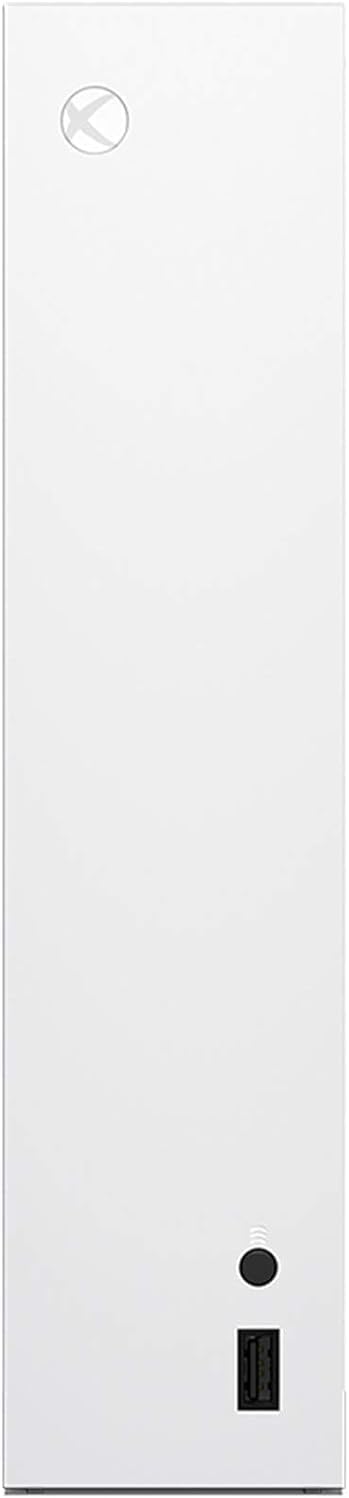
For many casual players, the Xbox ecosystem offers the best balance between cost and variety. The main Xbox Series X console targets higher resolution gaming with up to 4K at 120 fps and a 1 TB SSD (about 800 GB usable), while the smaller Xbox Series S focuses on digital edition convenience, 1440p output upscaled to 4K, and a lower entry price. Both consoles integrate tightly with Game Pass, Microsoft’s subscription that gives access to a rotating library of more than 400 console games for a fixed monthly fee.
Game Pass changes how you buy games because you can sample many titles without committing to full price purchases. Casual gamers often prefer this model, since they may only play a game for a few evenings before moving on to another title in the library. When you consider the best gaming consoles for casual gamers, an Xbox Series console with Game Pass can feel like a streaming service for gaming, reducing the risk of regret when you try unfamiliar genres.
Storage is the main limitation for the smaller Xbox Series S, because its 512 GB internal SSD fills quickly if you install many large games. You can add external storage, but you should check prices before you buy extra hardware, as official expansion cards cost more than standard drives. If you want to understand how modern ports and accessories affect performance, a guide to choosing the right USB 3 to C adapter for modern gaming consoles explains how to connect drives and other devices safely to your Xbox or other consoles.
Xbox Series X|S in two lines:
Best for value seekers who like trying many different games through Game Pass. Pros: excellent subscription value and strong backwards compatibility; cons: Series S has tight storage and weaker 4K performance.
Nintendo Switch and handheld gaming comfort
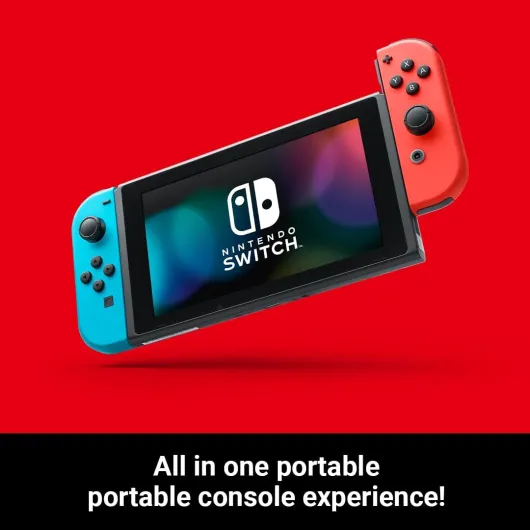
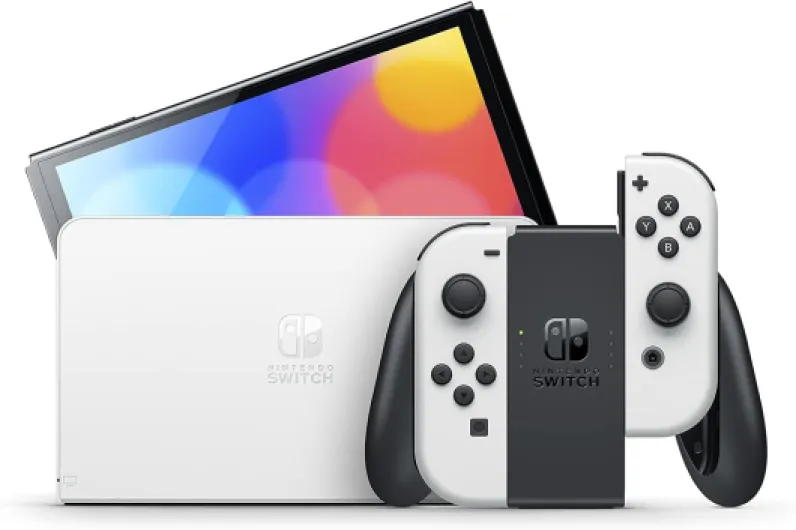
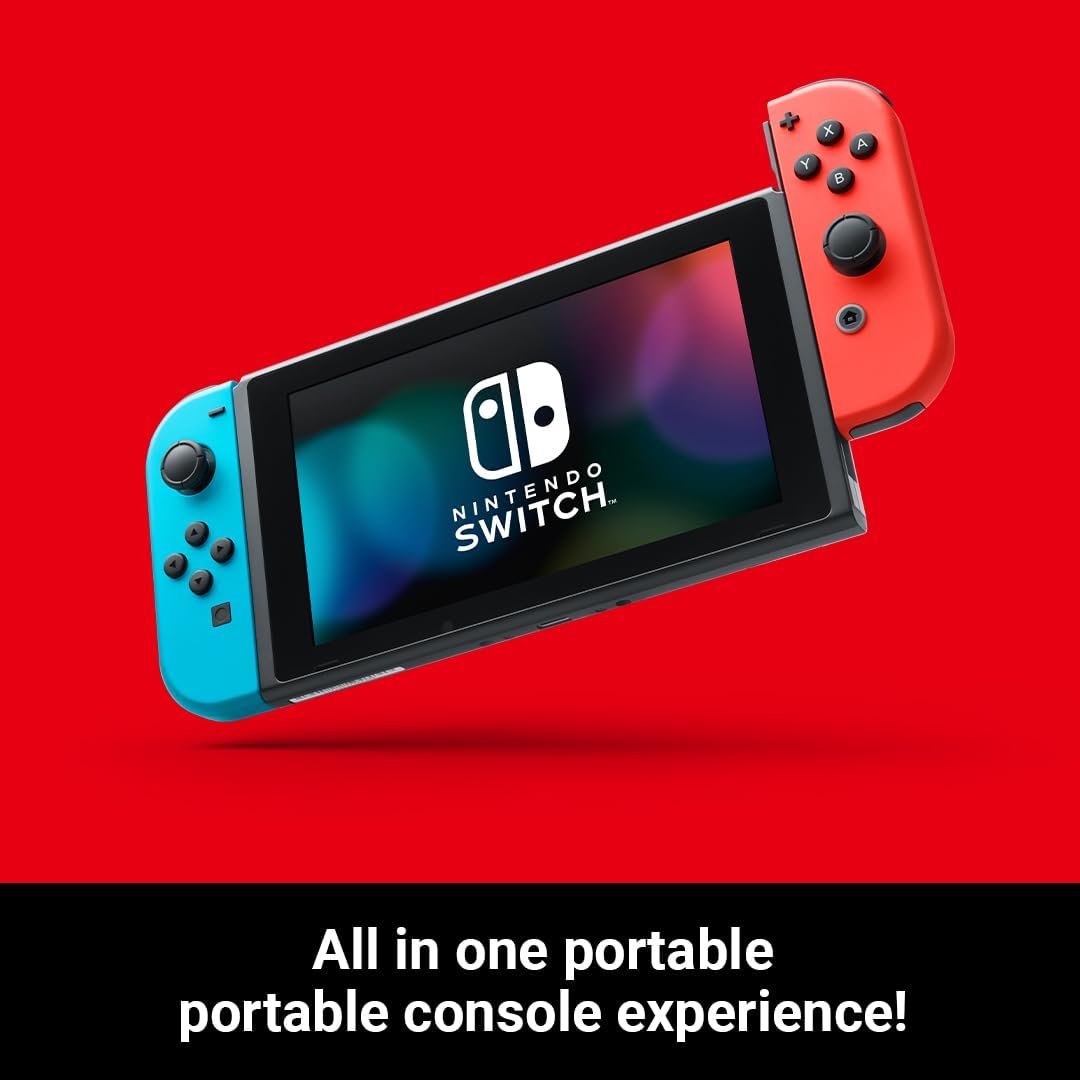
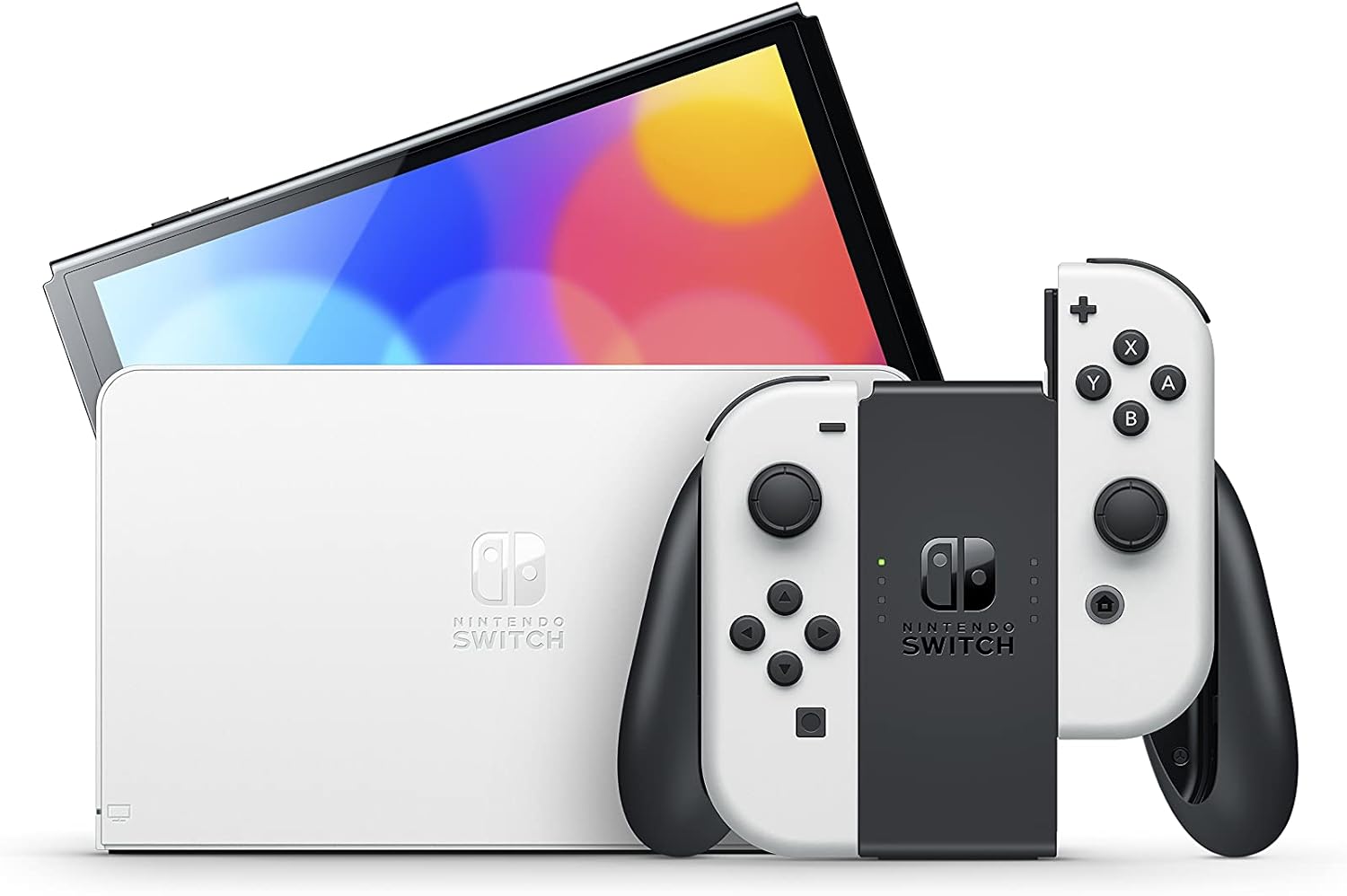
Nintendo approaches gaming differently, which is why the Nintendo Switch family suits many casual players. The standard Nintendo Switch works as both a home console and a handheld gaming device, letting you play on a television or on the go with the same games. In handheld mode, typical battery life ranges from about 4.5 to 9 hours on the current Switch revision and roughly 3 to 7 hours on older launch models, depending on the title, and this flexibility can make it one of the best gaming consoles for casual gamers.
The smaller Nintendo Switch Lite focuses entirely on handheld gaming and removes the docked television mode. Its lighter weight and lower price make it attractive if you mainly play indie titles, puzzle games, or family friendly series during commutes or evenings on the sofa. Battery life varies by model, but the latest revisions of the Nintendo Switch and Switch Lite generally last long enough for several gaming sessions before you need to recharge.
Nintendo’s strength lies in its exclusive games library, with iconic titles that remain fun even in short bursts of play. You will not find the same focus on realistic graphics as on a PlayStation or Xbox console, yet the charm and accessibility of Nintendo games often matter more for casual gaming. To see how this hybrid approach fits into the broader history of gaming consoles, you can read a comprehensive guide to the evolution of gaming consoles and understand why Nintendo’s design choices still influence the market.
Nintendo Switch in two lines:
Best for families, local multiplayer, and relaxed play on the sofa or on the move. Pros: flexible docked or handheld use and approachable games; cons: limited internal storage and lower graphical power.
Steam Deck and other best handheld PC style consoles
Valve’s Steam Deck brings PC gaming into a handheld gaming format that appeals to curious casual players. The standard Steam Deck LCD model already runs many popular games, while the newer Steam Deck OLED version improves the screen, battery life, and overall comfort for portable play. Depending on configuration, storage ranges from 256 GB to 1 TB, and these devices connect directly to your Steam library so you can continue playing titles you already own on a PC without buying them again.
When you compare the Steam Deck and Deck OLED to a Nintendo Switch or a traditional gaming console, you should think about how much tinkering you enjoy. The Steam Deck behaves like a small PC, which means you can adjust settings, install mods, and manage storage more actively than on a locked down console. Casual gamers who prefer a plug and play experience may find this extra control unnecessary, while others appreciate the freedom to tailor each game to their taste.
Battery life on the Steam Deck and other best handheld PC style consoles depends heavily on the games you play and the performance mode you choose. Demanding titles drain the battery faster, so you may need to lower settings or cap frame rates for longer sessions. If you mainly enjoy indie games or older series, the Steam Deck can still rank among the best gaming consoles for casual gamers who want a portable device that doubles as a compact PC.
Steam Deck in two lines:
Best for tech comfortable players who like PC flexibility in a portable shell. Pros: huge Steam library support and customisation; cons: shorter battery life in demanding games and more complex setup than a console.
Storage, formats, and backwards compatibility for everyday players
Storage capacity shapes how relaxed your gaming feels, especially when you install many large games. A console with limited storage forces you to delete titles frequently, which can discourage spontaneous play and make casual gaming feel like maintenance work. When you evaluate the best gaming consoles for casual gamers, check both the internal drive size and the cost of adding more storage later.
Disc based consoles with a blu ray drive let you buy physical copies of games, which can save space on internal storage and sometimes reduce costs through second hand purchases. Digital edition models remove the disc drive, which simplifies the design but locks you into online stores and larger downloads. Casual players who only keep a few favourite titles installed may prefer the simplicity of digital editions, while collectors and families often value the flexibility of discs.
Backwards compatibility is another quiet but important factor for casual users who return to older games occasionally. An Xbox Series console, for example, supports many titles from previous generations, which extends the life of your existing library and reduces the need to buy new games immediately. PlayStation and Nintendo offer more selective backwards compatibility, so you should check which series you care about before you choose a console that fits your habits.
Practical buying tips and common mistakes to avoid
When you are ready to buy a gaming console, start by listing the games and series you actually want to play. Marketing often highlights the best gaming performance, yet casual gamers benefit more from a friendly interface, quiet operation, and a strong library of accessible titles. You should also consider who else will use the console, because family play and local multiplayer change which controllers and accessories you need.
One common mistake is to focus only on the most powerful pro tier hardware, such as a hypothetical PlayStation 5 Pro or the highest end Xbox model, when a cheaper console would already exceed your needs. Another frequent error is to ignore subscription services like Game Pass, which can provide great value for casual gaming if you enjoy sampling many different titles. Some buyers also underestimate the cost of extra storage, controllers, and online services, which can make an initially cheap console more expensive over time.
People sometimes rush into a purchase based on hype and later feel a quiet sense of “do not buy” regret, similar to the sentiment behind many online “don’t buy this yet” warnings. To avoid your own version of a “don buy” moment, wait for a discount, read several reviews, and compare how each console handles everyday tasks such as quick resume, downloads, and parental controls. When you weigh PlayStation Xbox and Nintendo options calmly, you will usually find a console that respects your time, your budget, and your preferred way to play.
Key figures about casual gaming and consoles
| Console |
Typical price range* |
Storage (base) |
Max output / mode |
| PlayStation 5 (disc / Digital) |
Approx. mid to high price tier |
825 GB SSD |
Up to 4K, 120 Hz |
| Xbox Series X |
Similar to PS5 disc model |
1 TB SSD |
Up to 4K, 120 fps |
| Xbox Series S |
Lower budget friendly tier |
512 GB SSD |
Up to 1440p, upscaled 4K |
| Nintendo Switch / Switch Lite |
Entry to mid range |
32 GB internal (microSD expandable) |
1080p docked / 720p handheld |
| Steam Deck (LCD / OLED) |
Mid range handheld PC tier |
256–1 TB SSD |
800p handheld display |
*Price ranges and specifications are indicative and may vary by region and retailer.
- According to Newzoo’s 2023 Global Games Market Report (published July 2023), more than 3 billion people worldwide play video games, and a significant share identify as casual gamers who play mainly on consoles and mobile devices.
- Data from the Entertainment Software Association’s 2023 Essential Facts report (released in mid 2023) shows that the average player is in their mid thirties, which explains why many buyers prioritise flexible consoles that fit around work and family life.
- Market research from Ampere Analysis in 2023 indicates that subscription services such as Game Pass and PlayStation Plus account for a growing portion of console gaming revenue, underlining their importance for casual players seeking value.
- Sales reports from Nintendo, Sony, and Microsoft in recent financial years consistently show that smaller or more affordable models, such as the Nintendo Switch Lite and digital edition consoles, perform strongly among budget conscious and casual users.