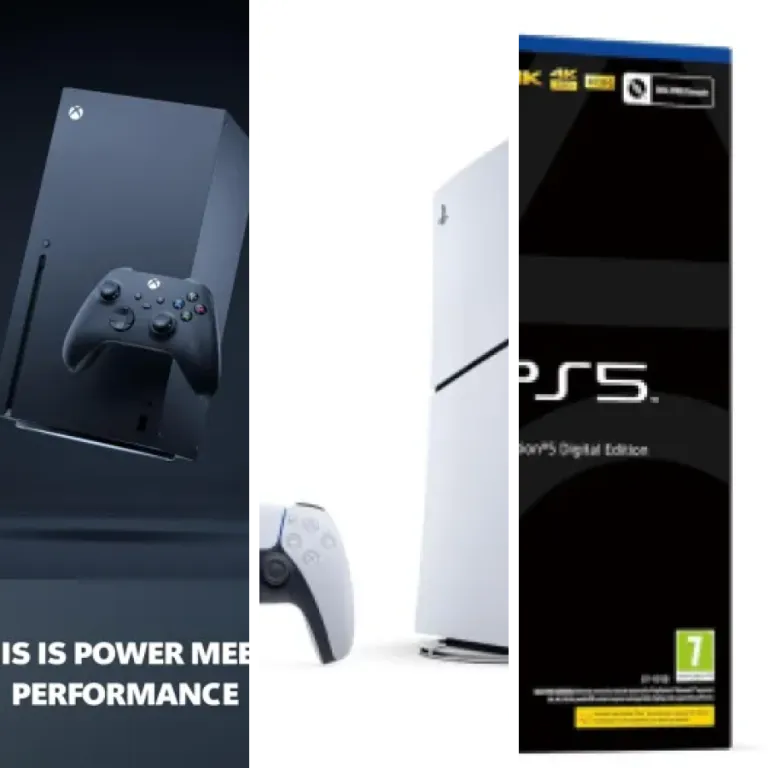
Understanding what makes a console next gen
Defining the "Next-Gen" in Gaming Consoles
When people talk about next-gen consoles, they usually mean the latest generation of gaming hardware that brings significant improvements over previous models. But what exactly sets these consoles apart? Understanding this helps you make an informed choice, especially if you’re comparing features like performance, exclusive games, and backward compatibility later on.
- Hardware advancements: Next-gen consoles are built with powerful CPUs and GPUs, offering faster processing, higher frame rates, and support for technologies like ray tracing. This means smoother gameplay and more realistic graphics.
- Storage solutions: Most new consoles use high-speed SSDs instead of traditional hard drives. This reduces loading times dramatically and allows for larger, more detailed game worlds.
- Immersive experiences: Features like haptic feedback, adaptive triggers, and 3D audio contribute to a more engaging gaming experience. These elements are designed to make gameplay feel more lifelike and responsive.
- Future-proofing: Next-gen consoles are built to support upcoming game releases and evolving online services, ensuring your investment stays relevant for years.
It’s also important to consider how these advancements impact other aspects, such as exclusive content and online multiplayer. The combination of cutting-edge hardware and innovative features is what truly defines a next-gen console.
For a deeper dive into the evolution and unique features of gaming consoles, check out this comprehensive guide on the enigma of gaming consoles.
Performance comparison between leading consoles
Comparing Hardware Power and Real-World Performance
When evaluating next-gen gaming consoles, performance is a major factor for many buyers. The latest models from leading brands—such as PlayStation 5, Xbox Series X, and Nintendo Switch OLED—offer significant improvements over previous generations. Let’s break down what sets them apart in terms of speed, graphics, and overall gaming experience.
- Processing Power: Both the PlayStation 5 and Xbox Series X are equipped with custom AMD processors, offering high clock speeds and advanced architectures. This translates to faster load times, smoother gameplay, and the ability to handle complex game worlds.
- Graphics Capabilities: The Xbox Series X boasts 12 teraflops of GPU power, while the PlayStation 5 offers 10.28 teraflops. Both support ray tracing, which enhances lighting and reflections for more realistic visuals. The Nintendo Switch OLED, while less powerful, focuses on portability and a vibrant display rather than raw performance.
- Storage Solutions: Next-gen consoles have moved to solid-state drives (SSD), drastically reducing load times. The PlayStation 5’s ultra-fast SSD is especially notable for its speed, while the Xbox Series X offers slightly more storage capacity out of the box.
- Frame Rates and Resolution: Both the PS5 and Xbox Series X target 4K resolution at up to 120 frames per second on supported displays. This ensures smoother motion and sharper images, making a real difference in fast-paced games.
For gamers interested in competitive play or esports, the performance edge can be crucial. If you want to learn more about the competitive gaming scene and where top players gather, check out this guide to esports venues in Frisco, Texas.
| Console | CPU | GPU Power | Storage | Max Resolution |
|---|---|---|---|---|
| PlayStation 5 | 8-core AMD Zen 2 | 10.28 TFLOPS | 825GB SSD | 4K @ 120Hz |
| Xbox Series X | 8-core AMD Zen 2 | 12 TFLOPS | 1TB SSD | 4K @ 120Hz |
| Nintendo Switch OLED | NVIDIA Custom Tegra | Undisclosed | 64GB Internal | 1080p (Docked) |
Ultimately, the best choice depends on your priorities—whether you value cutting-edge graphics, fast load times, or portability. These performance differences also influence the types of exclusive games and content you’ll find on each platform, which we’ll explore next.
Exclusive games and content
Why Exclusive Titles Matter for Next-Gen Consoles
Exclusive games are a major reason many gamers choose one next-gen console over another. These titles are only available on a specific platform, showcasing the hardware's capabilities and often setting the standard for what the system can achieve. For example, PlayStation 5 is known for visually stunning exclusives like "Ratchet & Clank: Rift Apart" and "Demon's Souls," which highlight the console's fast SSD and advanced graphics features. Xbox Series X, on the other hand, leans on franchises such as "Halo Infinite" and "Forza Horizon 5," which are optimized for high frame rates and quick load times. Nintendo Switch, while not as powerful as its competitors, offers beloved exclusives like "The Legend of Zelda: Tears of the Kingdom" and "Super Mario Odyssey," appealing to a broad audience, including families and younger gamers. If you're interested in safe and fun options for kids, check out this guide to Nintendo Switch games for 4-year-olds.
Content Beyond Games: What Else Sets Consoles Apart?
Beyond exclusive titles, next-gen consoles often feature unique content and experiences. Some platforms offer early access to downloadable content (DLC), special in-game events, or even timed exclusives that aren't available elsewhere for months. Subscription services like PlayStation Plus, Xbox Game Pass, and Nintendo Switch Online add value by providing access to a rotating library of games, including some exclusives and classic titles from previous generations. These services can be a deciding factor for gamers who want more than just the latest releases.
- PlayStation Plus: Monthly free games, exclusive discounts, and access to a curated collection of PS4 and PS5 titles.
- Xbox Game Pass: Day-one access to new releases, a vast library spanning multiple generations, and cloud gaming features.
- Nintendo Switch Online: Access to classic NES and SNES games, plus exclusive offers for members.
When comparing next-gen consoles, consider not just the hardware or performance, but also the exclusive games and content ecosystem. These factors can greatly influence your overall experience and satisfaction with your chosen platform.
Online services and multiplayer experience
How Online Features Shape the Console Experience
Online services are now a core part of what makes a gaming console stand out. Whether you’re into competitive multiplayer, co-op adventures, or just want to connect with friends, the quality of a console’s online ecosystem can make a huge difference in your gaming experience.
- Subscription Services: Most next-gen consoles offer paid subscriptions that unlock online multiplayer, monthly free games, and exclusive discounts. For example, PlayStation Plus, Xbox Game Pass Ultimate, and Nintendo Switch Online each provide unique benefits and access to growing libraries of games.
- Network Stability and Speed: The reliability of online play depends on the console’s network infrastructure. Xbox Series X and PlayStation 5 are praised for stable connections and fast download speeds, while Nintendo Switch’s online service is often seen as more basic but functional for casual play.
- Social and Community Features: Next-gen consoles make it easier to join parties, share gameplay clips, and stream content. Features like cross-platform play are increasingly common, letting you play with friends regardless of their console choice.
- Cloud Gaming and Remote Play: Cloud gaming is becoming more prominent, allowing you to stream games without needing to install them. Xbox Cloud Gaming and PlayStation Remote Play are leading examples, offering flexibility for gamers who want to play on different devices.
When comparing consoles, consider how their online services align with your gaming habits. If you value a robust multiplayer scene or want access to a wide range of games through a subscription, these features should weigh heavily in your decision. The right online service can extend the life of your console and keep your gaming experience fresh.
Backward compatibility and game libraries
How Modern Consoles Handle Older Games
Backward compatibility has become a major talking point in the next-gen console landscape. For many gamers, the ability to play older titles on new hardware is just as important as raw performance or exclusive games. This feature not only extends the value of your existing game library but also helps preserve classic experiences for new audiences.
Comparing Backward Compatibility Features
| Console | Backward Compatibility | Game Library Access |
|---|---|---|
| PlayStation 5 | Supports most PlayStation 4 games; limited support for older generations via streaming | Access to PlayStation Plus library, including select classics |
| Xbox Series X|S | Extensive support for Xbox One, many Xbox 360, and some original Xbox titles | Game Pass offers a large rotating library, including backward compatible games |
| Nintendo Switch | No native backward compatibility; classic titles available through Nintendo Switch Online | Access to NES, SNES, N64, and Sega Genesis games via subscription |
Why Game Libraries Matter
When choosing a next-gen console, consider not just the new releases but also the breadth of the available game library. Services like PlayStation Plus and Xbox Game Pass expand your options, letting you revisit older favorites or discover hidden gems. Nintendo’s approach is different, focusing on curated selections of retro games through its online service.
- If you have a large collection of previous-gen games, Xbox Series X|S offers the broadest support.
- PlayStation 5 is a strong choice for those invested in PlayStation 4 titles and interested in select classics.
- Nintendo Switch appeals to fans of classic Nintendo franchises, though it lacks direct backward compatibility.
Ultimately, backward compatibility and access to extensive game libraries can significantly influence your console decision, especially if you value replaying older favorites or want the best return on your investment in games.
Price, availability, and value for money
Comparing Console Prices and Value
When evaluating next-gen gaming consoles, price is a major factor for many buyers. The leading consoles—PlayStation 5, Xbox Series X, and Nintendo Switch OLED—each have distinct pricing strategies that reflect their hardware capabilities, exclusive games, and online features.- PlayStation 5: The standard model typically retails around $499 USD, while the Digital Edition is slightly less expensive. This price includes advanced hardware, a growing library of exclusives, and robust online services.
- Xbox Series X: Priced similarly to the PlayStation 5, the Series X offers powerful performance and access to Game Pass, which adds value through a large, rotating game library.
- Nintendo Switch OLED: This model is more affordable, usually around $349 USD. While not as powerful as the other two, it offers unique portability and a strong lineup of exclusive games.
Availability and Stock Challenges
Since their launch, both the PlayStation 5 and Xbox Series X have faced ongoing stock shortages due to high demand and supply chain issues. The Nintendo Switch OLED is generally easier to find, but can also sell out during peak periods. Checking official retailers and being wary of scalper pricing is recommended.Assessing Value for Money
Value goes beyond the initial purchase price. Consider these aspects:- Performance: Higher-priced consoles deliver better graphics and faster load times, as discussed in the performance comparison section.
- Game Library: Some consoles offer backward compatibility, letting you play older titles without extra cost.
- Online Services: Subscriptions like PlayStation Plus or Xbox Game Pass can add ongoing value, especially if you play online or want access to a wide range of games.
