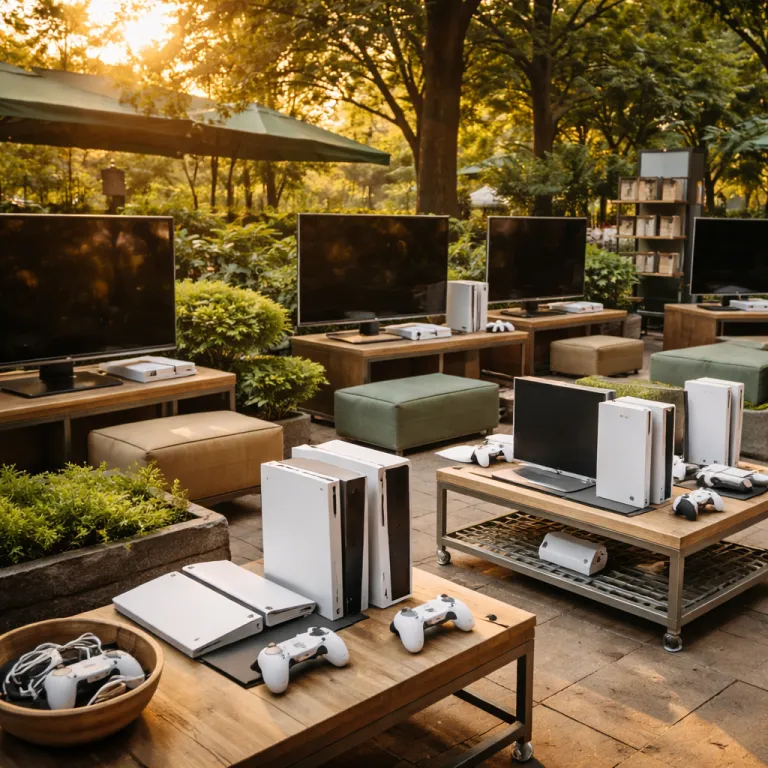
Why this summer’s big fest should change your console buying plans
Every June, the main Summer Game Fest turns into a pressure cooker for console buyers. The event is timed so that major platform holders can stack game announcements, limited hardware runs, and online multiplayer betas into a single live showcase that hits at prime evening viewing time in both BST and the Pacific zone. If you treat this fest as just another marketing beat, you will miss the best window to lock in hardware, subscriptions, and accessories before prices react to hype.
This year’s Summer Game Fest 2026 is expected to be hosted again by Geoff Keighley, with the flagship showcase likely broadcasting live from a major Los Angeles theatre and mirrored as a high‑quality stream across major video platforms. In 2023, for example, Keighley’s show featured headline reveals like Mortal Kombat 1 and Final Fantasy VII Rebirth, both of which pushed players toward specific platforms and premium editions according to coverage from outlets such as IGN and Eurogamer. By the time Geoff Keighley walks on stage, thousands of fans in the room and many more watching online will already have decided whether to upgrade their console or not, but the smartest players will have made those decisions weeks earlier. Treat the main summer gaming event as a deadline, not a starting gun, because once the schedule is public and the first trailers hit, discounts on consoles and controllers usually vanish.
Historically, the June Pacific broadcast slot for the core Summer Game Fest showcase has been where Xbox leans hardest into competitive online games, while Nintendo prefers a separate Nintendo Direct around early June for its family‑friendly titles. Sony often splits its bets, holding some announcements for State of Play while still feeding a few prestige video games into the June window to keep PlayStation in the conversation. In 2022, for instance, Microsoft used its June showcase window to spotlight Overwatch 2 early access and Diablo IV for Game Pass, while Nintendo’s June Direct highlighted Splatoon 3 and new Mario Kart 8 Deluxe tracks, both of which reshaped online lobbies for months. That pattern matters for you because the platform that wins the narrative at one big June event often sees its online multiplayer communities swell, which directly affects matchmaking times, skill brackets, and the long‑term health of the games you plan to grind.
Reading the schedule: what the showcases mean for online multiplayer
The official schedule for Summer Game Fest 2026 will likely cluster three pillars across several days: the main showcase, a Day of the Devs–style segment for indie games, and a run of partner events focused on specific publishers. For a competitive console gamer, the primary Summer Game Fest broadcast is where you watch for new ranked shooters, fighting games, and live‑service titles that will define your next year of online play. The Day of the Devs–inspired blocks, often highlighting smaller indie games, can still hide breakout online hits, but they rarely demand a day‑one console purchase.
Expect the opening show to lean heavily on video games that can be marketed with sharp cinematic trailers, even when the actual online netcode or ranked systems are still in flux. CGI‑heavy games with no firm release window are the ones you should mentally park in a “maybe later” list, because they will not affect your near‑term hardware needs, no matter how many times the live stream cuts back to Keighley for breathless updates. Focus instead on titles that show real gameplay, clear online modes, and concrete beta dates, since those are the games that will stress your current console’s frame rate, storage, and matchmaking stability within months.
Parallel events around the June fest window, such as a Nintendo Direct scheduled close to the main showcase, often carry crucial updates for Switch owners who care about online play. If Nintendo uses its Direct slot to detail a new Splatoon‑style shooter or a Mario Kart expansion, that can change whether a Switch remains your secondary console or becomes your main online platform. For deeper context on how online ecosystems evolve around specific titles, you can look at long‑running communities such as those discussed in this guide to Fire Red online gaming networks, which show how even older games can sustain vibrant multiplayer scenes when the platform support is stable.
Pre fest buying strategy: consoles, subscriptions, and network gear
The smartest move before Summer Game Fest 2026 is to treat late spring as your last calm stretch for rational console shopping. Once the live event hits and thousands of fans start to sign up for preorders, the best bundles, controller deals, and subscription discounts tend to evaporate in real time. You want to be the player who already has the right console and network setup when Geoff Keighley walks on stage, not the one scrambling to refresh retailer pages while the showcase rolls.
If you are on Xbox, current Game Pass pricing varies by region and tier, but it still represents one of the strongest value propositions in recent years for online multiplayer, especially when stacked with regular events that drop new games directly into the subscription. Locking in several months before the main summer gaming event can shield you from potential price adjustments that sometimes follow big showcases, when demand spikes and publishers reassess their live‑service revenue mix. PlayStation owners should audit their PS Plus tier now, checking whether the online multiplayer features and cloud storage match the competitive games they expect to see highlighted during the Summer Game Fest schedule.
Hardware timing matters just as much as subscription timing, particularly if rumors of mid‑generation refreshes or a Switch successor harden into real announcements during the live stream from Los Angeles. If a new Switch‑style console is revealed near the Nintendo Direct window, any existing Switch bundles with strong online games will either sell out or lose their discounts within days, so June Pacific mornings before the fest are often the best time to buy. For players who still enjoy classic handheld multiplayer or couch co‑op, investing in maintenance such as a clean screen replacement on older hardware can be smarter than chasing every new box, and resources like this practical guide to Game Boy SP screen replacement show how to keep legacy devices viable for local link cable sessions.
Network gear is the quiet hero of online gaming, and summer is a good season to fix it. Before the June rush, test your router placement, cable quality, and display input lag so that when new games drop after the event window, you are not debugging Wi‑Fi while your friends climb ranked ladders. For a broader view on how creative gaming networks form around both old and new platforms, the analysis in this piece on creative gaming networks illustrates how stable infrastructure and clear communication channels matter more than raw bandwidth numbers.
How to filter the hype and pick the right multiplayer platforms
Once the Summer Game Fest 2026 showcase goes live, your job shifts from planning to filtering. Every game trailer, every on‑stage segment, and every surprise June announcement will try to convince you that this is the year to switch platforms or double‑dip on hardware. The key is to separate short‑term spectacle from long‑term online ecosystems that will still be healthy when the next summer rolls around.
Start by tracking which games commit to cross‑play and cross‑progression, because those features reduce the pressure to chase every exclusive reveal. A flashy shooter that appears only in one platform’s segment of the Summer Game Fest showcase but quietly supports cross‑play may not require a new console at all, especially if your current machine still handles 120 Hz output and low latency well. Conversely, a fighting game that anchors a platform’s competitive circuit, with clear ranked seasons and regular balance updates, can justify a hardware move if your existing console struggles to maintain stable frame times.
Be wary of “console exclusive” labels flashed during the live segments, since many of those deals quietly expire within a year, turning once‑rare games into standard multiplatform releases. Geoff Keighley and other hosts will highlight timed exclusives because they make for strong video moments, but you should always ask whether the game’s ranked ladders, tournament support, and anti‑cheat tools will still be robust when the exclusivity window closes. Remember that thousands of fans in the theatre and thousands more watching video streams will cheer for big reveals, yet your best sign of a healthy online future is not the crowd noise but the clarity of the post‑launch support roadmap.
Finally, treat your email address as a strategic tool rather than a casual login during these events. When you join segments that ask you to sign up for betas or newsletters, use a dedicated gaming email address so you can track which games actually follow through with meaningful updates and which ones vanish after the hype. Summer events come and go, but the platforms that respect your time, your data, and your competitive investment are the ones worth building your next year of online games around.
FAQ: summer game fest 2026 and console multiplayer planning
How does summer game fest 2026 affect which console I should buy
The main impact of Summer Game Fest 2026 on console choice comes from which platforms secure the strongest online multiplayer lineups and timed exclusives. If Xbox uses the June Pacific showcase slot to highlight ranked shooters and cross‑play support, it becomes a safer pick for competitive players who value Game Pass and deep lobbies. If a Nintendo Direct around early June leans into party games and family‑friendly online titles, a Switch or its successor may be better as a secondary console for social sessions.
When is the best time around the fest to buy hardware and subscriptions
The most reliable window for value is the weeks leading into June, before the main Summer Game Fest showcase goes live. Retailers often run quiet discounts on consoles, controllers, and online subscriptions before the event hype drives demand higher. Once Geoff Keighley steps onto the stage and the trailers start, expect the best deals to disappear quickly.
Which announcements should competitive online players prioritize during the showcases
Focus on games that show real gameplay, clear online modes, and firm beta or launch dates rather than CGI‑only video teasers. Ranked shooters, fighting games, and team‑based titles with explicit cross‑play and cross‑progression support will shape your next year of competitive play far more than cinematic single‑player reveals. Also watch for updates on anti‑cheat tools, server regions, and post‑launch balance plans, since those details determine whether a game’s online scene will stay healthy.
How can I avoid getting swept up in hype during live events
Go into the summer gaming event with a written list of what you actually need, such as a new controller, more storage, or a specific console for one franchise. During the live segments, mute your impulse to preorder anything that lacks a release window or clear online feature set, and revisit those games a day later when the schedule and updates are easier to parse. Remember that thousands of fans cheering in Los Angeles or reacting in live chat do not change whether a game will still feel good to play online six months later.
Is it worth signing up for every beta and newsletter during the fest
Signing up for every beta with your main email address can quickly flood your inbox and make it hard to track meaningful updates. Use a dedicated gaming email address for summer events so you can filter which games actually deliver playable tests, patch notes, and community support. Prioritize betas for games that align with your preferred genres and platforms, rather than chasing every sign‑up link flashed during the showcase.