Best gaming consoles with Wi‑Fi: how wireless performance really matters
TL;DR: Modern consoles live on fast, stable wireless networks. For living room systems, prioritize Wi‑Fi 6 (802.11ax) and Ethernet; for handhelds, look for solid Wi‑Fi 5/6 support, good battery life, and enough storage for large digital downloads.
Living room powerhouses: Xbox Series and PlayStation rivals with Wi-Fi
For players who want the best gaming consoles with Wi‑Fi in the living room, the Xbox Series line and its main rivals set the standard. These powerful gaming console systems pair high‑resolution display output with fast solid‑state storage, so Wi‑Fi speed becomes the final link in the performance chain. When your wireless network keeps up, you can buy large games digitally, jump into online play within minutes, and keep your library ready without juggling discs.
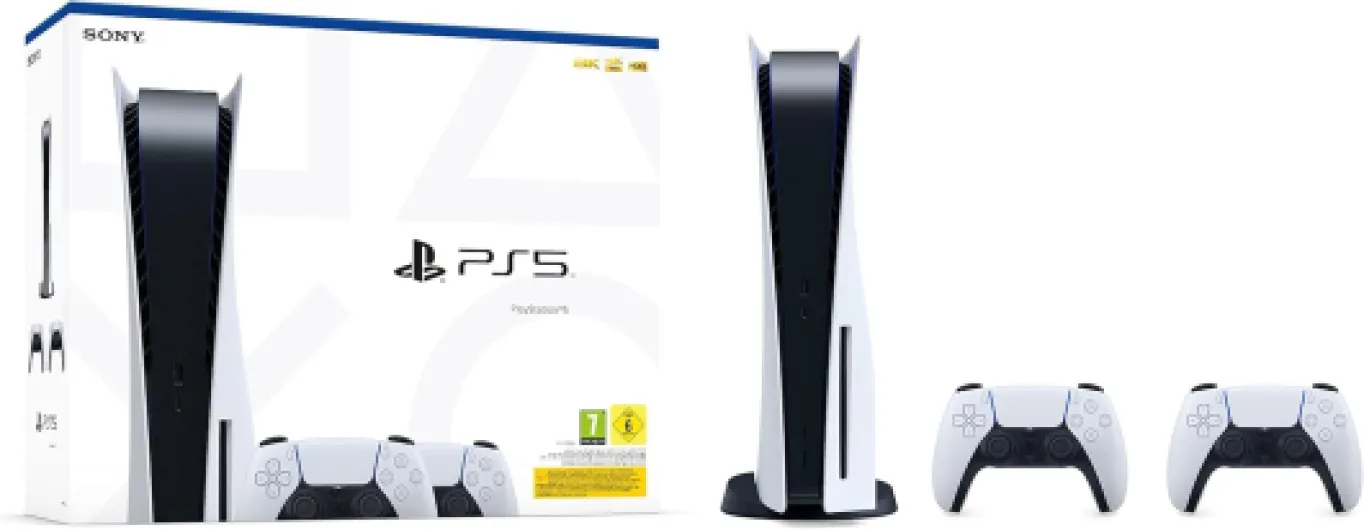
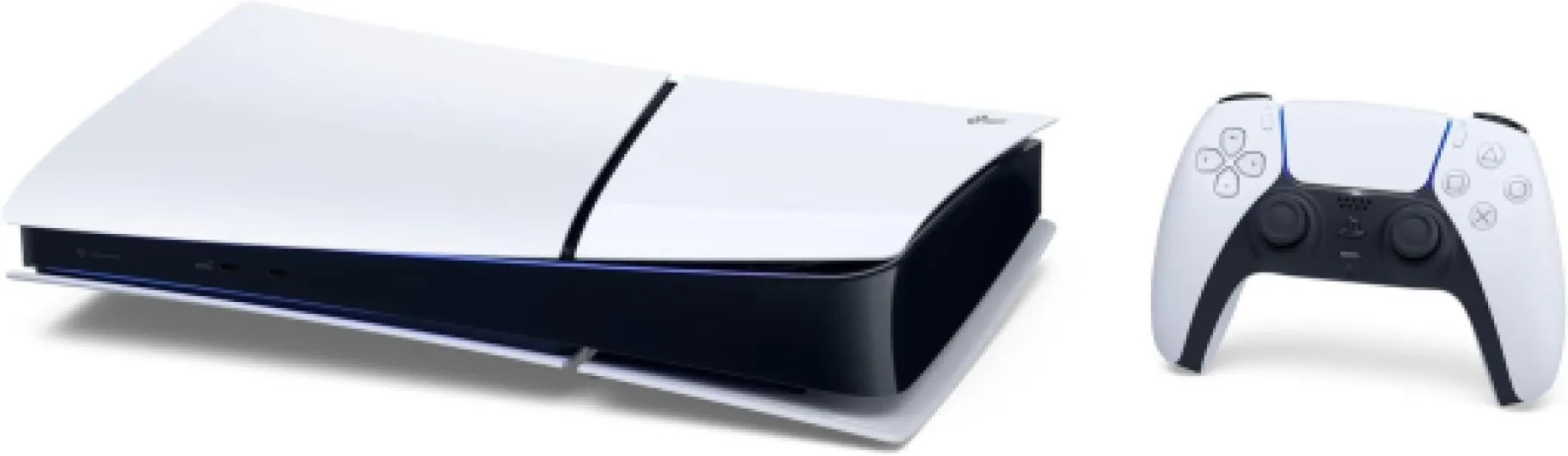
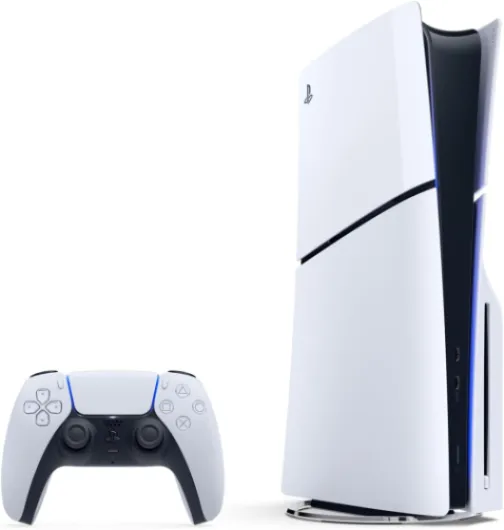
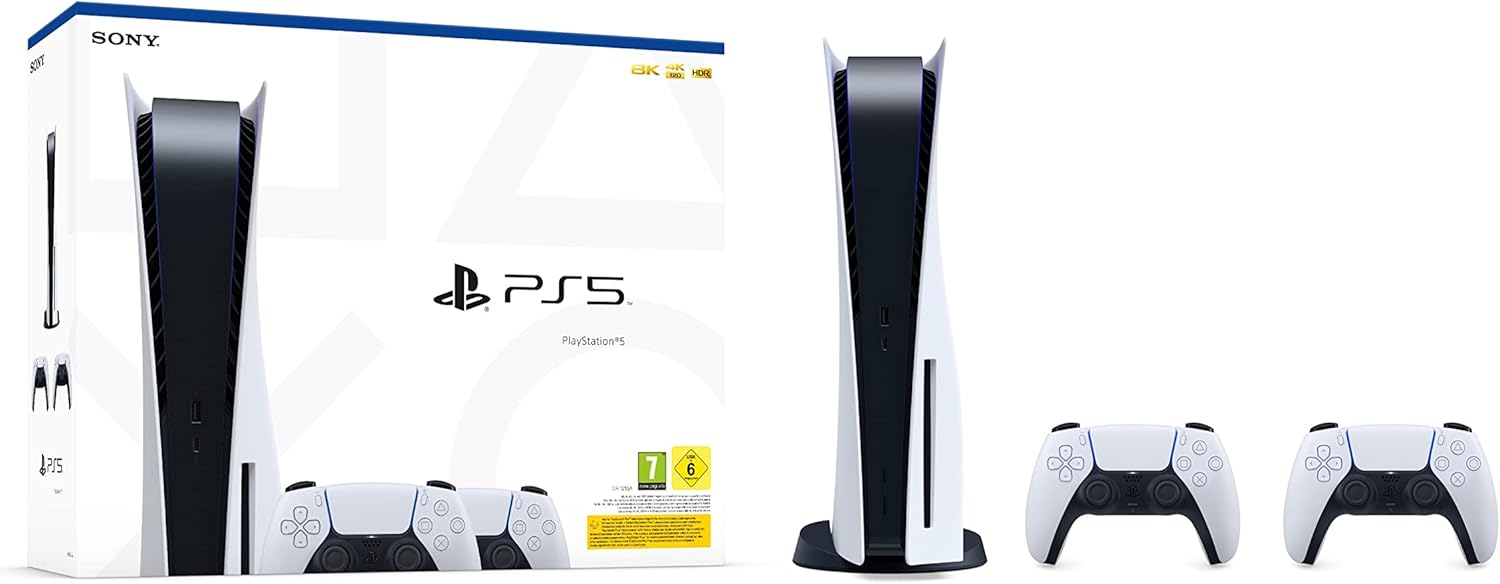
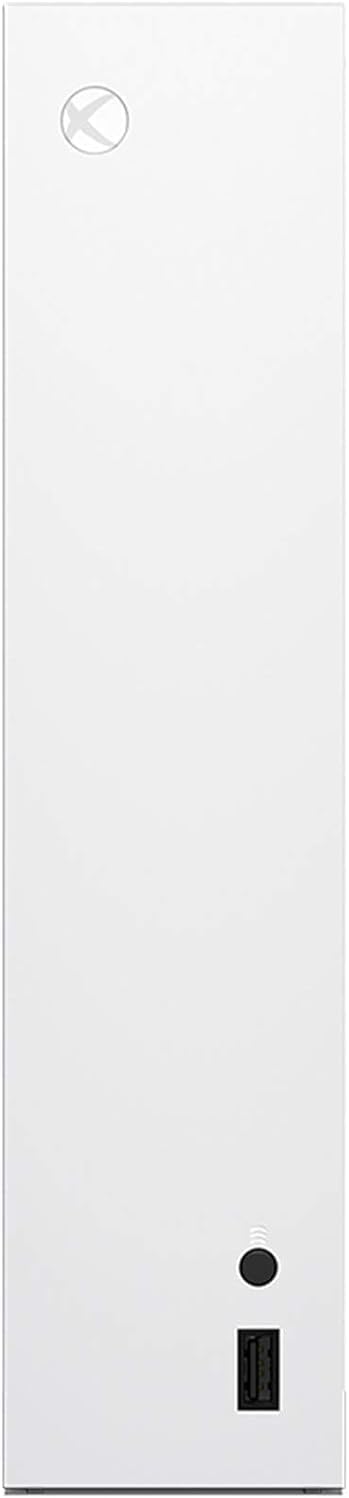
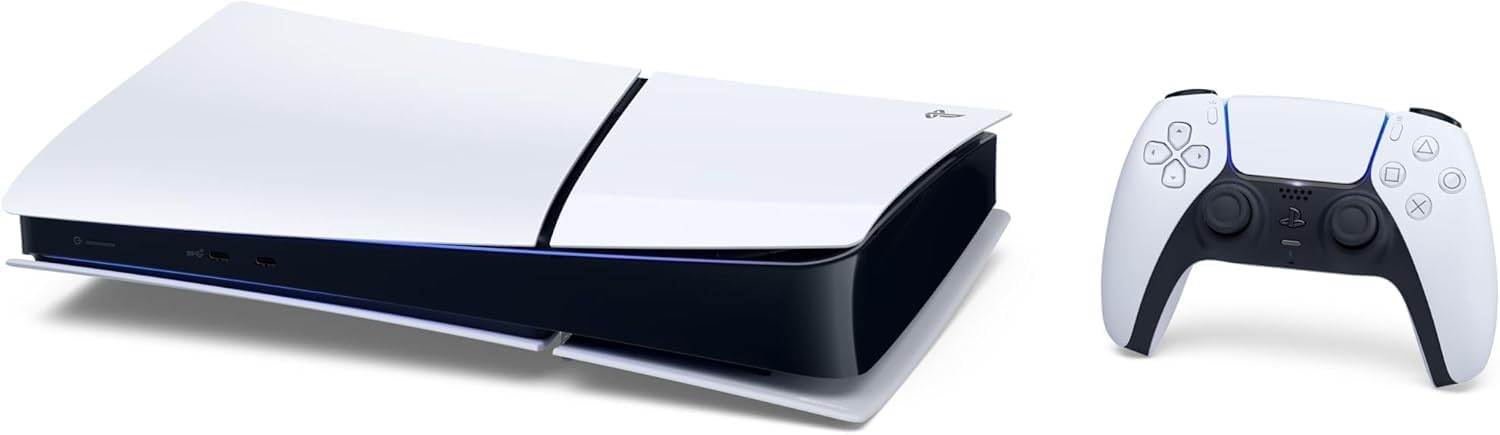
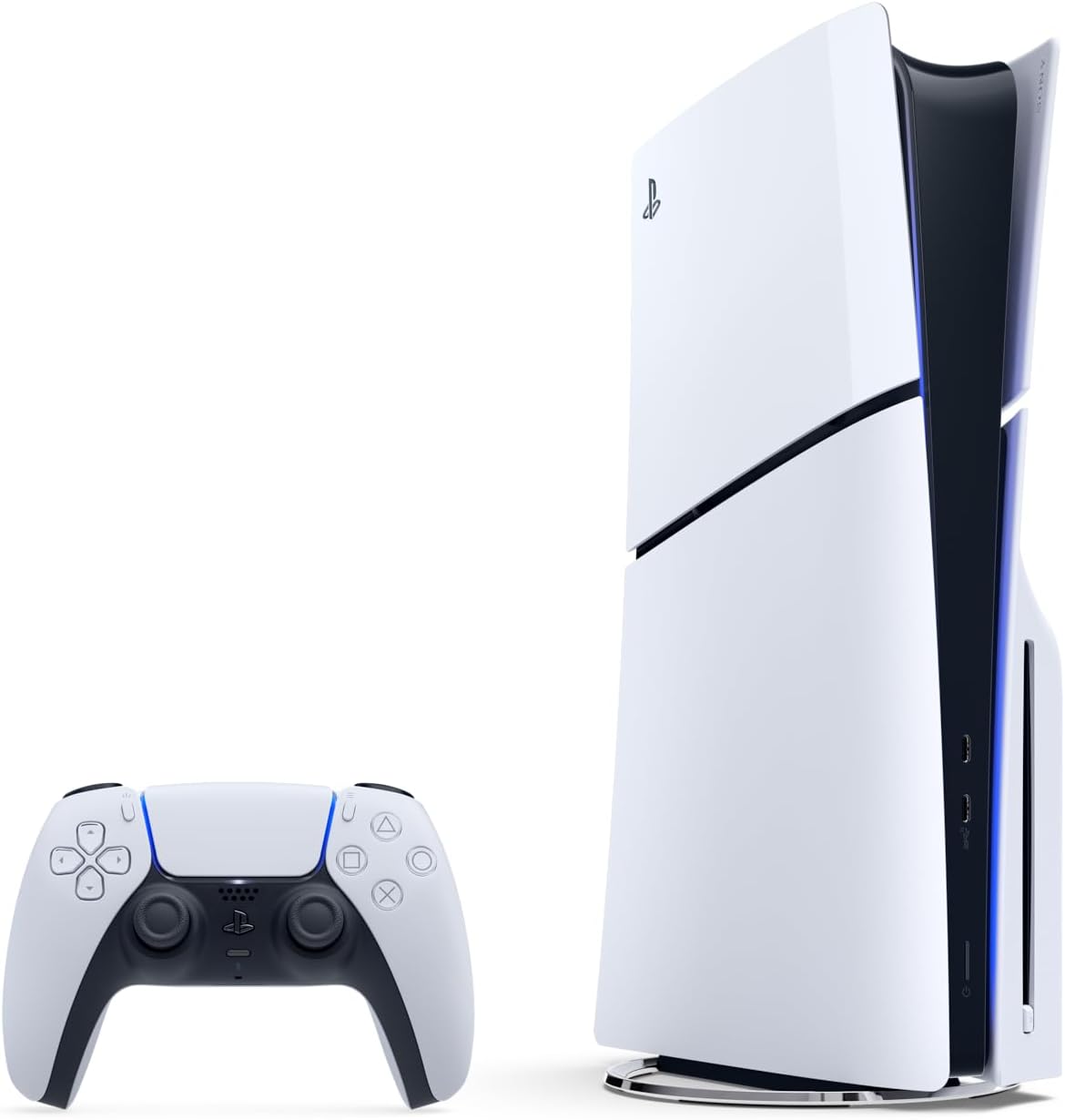
The Xbox Series X and Series S include dual‑band Wi‑Fi 5 (802.11ac) radios, while the PlayStation 5 and PS5 Slim support Wi‑Fi 6 (802.11ax) with 2.4 GHz and 5 GHz bands. In independent tests from outlets such as Digital Foundry and PCMag, Wi‑Fi 6 routers paired with these consoles often sustain 400–600 Mbps real‑world throughput at short range, cutting download times for 100 GB titles from many hours on older 802.11n gear to well under one hour on a fast broadband line. Their interfaces highlight which games are optimized for fast resume, so you can pause one gaming session, switch to another, and still let background downloads run efficiently with minimal impact on latency.
Anyone comparing the best gaming consoles with Wi‑Fi for ranked multiplayer should also consider how each console manages party chat, cross‑platform play, and cloud saves. If you focus on esports‑style titles, consult specialized guides such as this overview of top gaming consoles for competitive gaming to see how wireless performance interacts with frame rate and input latency. In practice, a well‑tuned router, a clear signal path to your console, and smart bandwidth management often matter as much as raw console power when you want the best gaming performance online.
Hybrid freedom: Nintendo Switch family and Wi-Fi centric portability
Hybrid systems such as the Nintendo Switch family redefine what the best gaming consoles with Wi‑Fi can offer on the move. A standard Nintendo Switch connects to your TV dock at home, then shifts into a handheld device with the same games when you slide it out and rely on Wi‑Fi elsewhere. This flexibility makes Wi‑Fi quality central to how you buy digital titles, manage updates, and join friends for quick online play sessions.
The original Nintendo Switch, Switch OLED, and Switch Lite all use dual‑band Wi‑Fi 5 (802.11ac), with typical download speeds in the 80–200 Mbps range on a solid home router according to community benchmarks and Nintendo support documentation. The compact Switch Lite focuses entirely on handheld gaming, so its Wi‑Fi radio becomes your only bridge to the eShop, cloud saves, and online multiplayer games. When you play on public networks or mobile hotspots, a stable connection helps keep matchmaking smooth and prevents frustrating disconnects during cooperative game missions. Because the Switch family uses modest internal storage, many players also combine Wi‑Fi downloads with microSD cards to balance capacity, battery life, and performance across long trips.
Hybrid consoles also double as streaming devices for video game services and entertainment apps, which makes Wi‑Fi reliability even more important. If you care about streaming films or music alongside your favorite games, it is worth reading a dedicated guide to top gaming consoles for streaming media before you buy. In everyday use, the Nintendo Switch and Switch Lite show how a single gaming console can serve as both a family game console on the big screen and a personal gaming handheld in your bag, provided your Wi‑Fi network is strong and consistent.
PC-style handhelds: Steam Deck, ROG Ally, Lenovo Legion and Wi-Fi demands
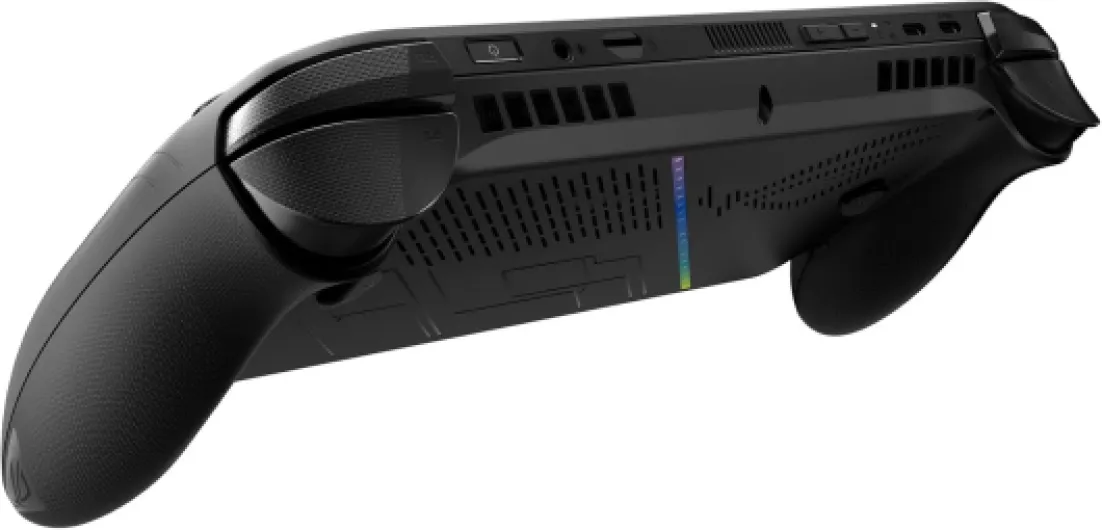
Portable PC‑style handhelds such as the Steam Deck, ROG Ally, and Lenovo Legion Go push Wi‑Fi requirements even further. These gaming handheld devices run full desktop‑style operating systems, which means every game launcher, cloud service, and background update competes for wireless bandwidth. When you treat a Steam Deck or similar Deck OLED model as your primary gaming console, Wi‑Fi stability becomes as critical as it is on a home PC.
The original Steam Deck uses a Wi‑Fi 5 (802.11ac) module, while the Steam Deck OLED upgrades to Wi‑Fi 6, and both support Bluetooth for controllers and audio. In Valve’s own guidance and third‑party testing, Wi‑Fi 6 access points can deliver 300–500 Mbps to the Deck OLED at close range, which dramatically shortens patch downloads for modern games. Because these handhelds often sit farther from the router than a stationary console, antenna design and Wi‑Fi standards can noticeably affect download times and in‑game latency. If you plan to play demanding video games over cloud streaming services, prioritize routers that support modern Wi‑Fi protocols and place them close to where you usually play.
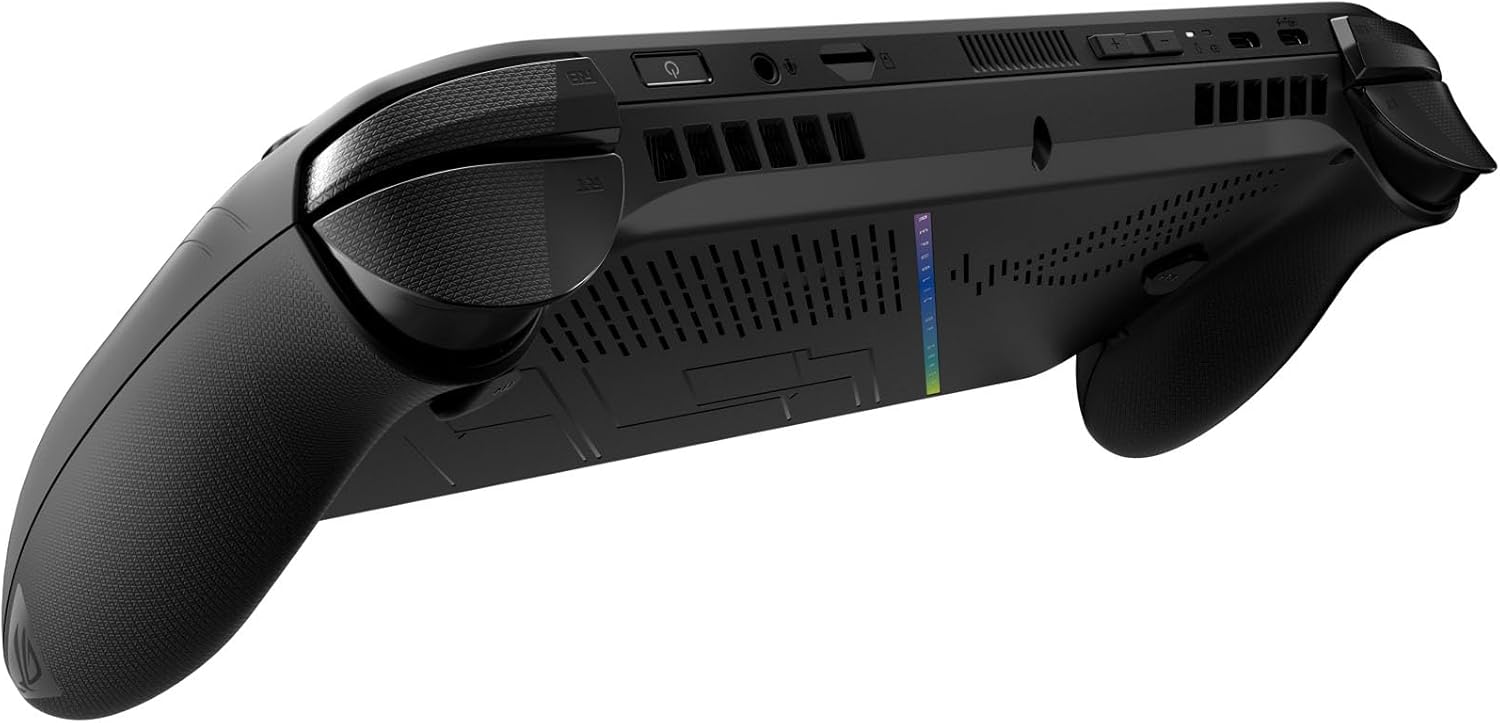
Devices like the ASUS ROG Ally and Lenovo Legion Go ship with Wi‑Fi 6E chipsets capable of using the 6 GHz band, which can reduce congestion and lower latency when your router and region support it. Higher wireless throughput can drain batteries faster when you stream high‑bitrate content or download multiple games at once, so smart power profiles and scheduled downloads help balance performance with endurance. For many players, these handhelds represent the best gaming blend of PC flexibility and console‑style simplicity, provided you invest in a strong Wi‑Fi network and understand how each device manages wireless power consumption.
Retro and pocket-sized handhelds: Wi-Fi for classics and cloud saves
Not every player chasing the best gaming consoles with Wi‑Fi wants cutting‑edge graphics or massive open‑world games. Compact handhelds such as the Retroid Pocket and Miyoo Mini focus on retro games, yet Wi‑Fi still plays a vital role in updating firmware, syncing save files, and managing digital libraries. These pocket‑sized devices show how even a tiny gaming console can benefit from modern connectivity when you organize large collections of classic titles.
Many retro‑focused handhelds now support Wi‑Fi features like online leaderboards, remote file management, and cloud backups for game saves. When you play older Game Boy titles or other retro games on a Retroid Pocket, Wi‑Fi lets you transfer ROMs legally from your own cartridges, apply patches, and keep your library consistent across multiple handhelds. Some devices even allow limited streaming from a home PC, turning a small pocket console into a flexible companion for both classic and modern game experiences.
Because these handhelds often prioritize compact design over large batteries, Wi‑Fi efficiency becomes important for preserving battery life during long trips. Turning off background wireless scans, limiting automatic updates, and using airplane mode between sessions can significantly extend play time on a Miyoo Mini or similar device. For enthusiasts who already own a main game console at home, these retro handhelds provide a charming second screen for travel, while still fitting neatly into a broader ecosystem of best gaming consoles with Wi‑Fi.
Buying guide: how to choose the best gaming consoles with Wi-Fi
Selecting the best gaming consoles with Wi‑Fi means balancing performance, ecosystem, and long‑term costs. Before you buy any new gaming console, map out which games you actually want to play, how many handhelds or home systems you already own, and how strong your current Wi‑Fi network is. A powerful console connected to a weak router will never deliver the best gaming experience, no matter how impressive its specifications look on paper.
Start by checking Wi‑Fi standards, storage capacity, and expected battery life for handheld devices, then compare those figures with your typical play patterns. If you mostly play online shooters or competitive games, prioritize consoles and routers that support modern Wi‑Fi protocols and low‑latency features, while also considering a wired fallback for tournaments. For players who split time between a living room Xbox or ROG Xbox‑style setup and a portable Nintendo Switch or Steam Deck, a mesh Wi‑Fi system can keep every device connected smoothly throughout the home.
Cost of ownership also matters when you evaluate the best gaming consoles with Wi‑Fi over several years. Subscription services, digital game prices, and potential accessories such as extra controllers or storage upgrades can significantly raise the real budget, as explained in analyses of the true price of a gaming console beyond the sticker. By weighing Wi‑Fi performance, ecosystem strength, and total cost together, you can confidently buy the game console or gaming handheld that fits your lifestyle, whether that means an Xbox Series powerhouse, a flexible Nintendo Switch, or a portable Steam Deck with Deck OLED display for crisp visuals on the go.
Key figures on Wi-Fi and modern gaming consoles
- Global console gaming revenue exceeded 50 billion US dollars according to Newzoo’s Global Games Market Report 2023, with a growing share tied to digital games that rely on Wi‑Fi for downloads and updates.
- Industry surveys from the Entertainment Software Association’s Essential Facts 2023 report that more than 70 percent of console players regularly use online multiplayer features, which makes stable Wi‑Fi a core requirement rather than an optional extra.
- Data from major platform holders show that digital purchases now account for well over half of all game sales on leading consoles, underscoring how the best gaming consoles with Wi‑Fi must handle large downloads efficiently.
- Cloud gaming services have expanded to dozens of countries, and their performance depends heavily on low‑latency Wi‑Fi connections when players stream video games instead of installing them locally.
- Consumer networking reports indicate that upgrading from older Wi‑Fi standards such as 802.11n to modern protocols like Wi‑Fi 5 or Wi‑Fi 6 can cut large game download times by more than half on compatible consoles and handhelds.