Xbox Series X and Series S for ray traced blockbusters
Microsoft built the Xbox Series X and the smaller Xbox Series S around hardware accelerated ray tracing. The Xbox Series X targets 4K gaming with ray traced effects in demanding games, while the Series S focuses on 1080p or 1440p resolutions but still supports enhanced lighting in many titles. Both consoles integrate tightly with Game Pass, which gives you a rotating library of games that often include ray tracing options at no extra cost beyond the subscription.
On Xbox, you see ray tracing used in big budget adventure game releases and in technically ambitious shooters. Titles such as Doom Eternal on Xbox Series X use ray tracing for reflections and global illumination, and these games often ship with multiple game modes so you can choose between resolution, performance, and ray traced effects. Independent benchmark testing from outlets such as Digital Foundry and Hardware Unboxed shows that in many titles, enabling ray tracing on Xbox Series X can reduce frame rates from around 60 fps in performance modes to roughly 30 to 40 fps in quality presets at similar resolutions, depending on how aggressively each game uses the feature.
For people who play both on a console and on a PC with a GeForce RTX graphics card, the Xbox interface and Microsoft account integration feel familiar. You can move between Xbox games and Windows games while keeping the same library and cloud saves in many cases, which makes the console work well alongside a PC equipped with a GeForce RTX GPU. If you are a casual player comparing top gaming consoles for casual gamers, the Xbox Series S with Game Pass offers a low cost entry into ray traced gaming while still handling most mainstream video games comfortably.
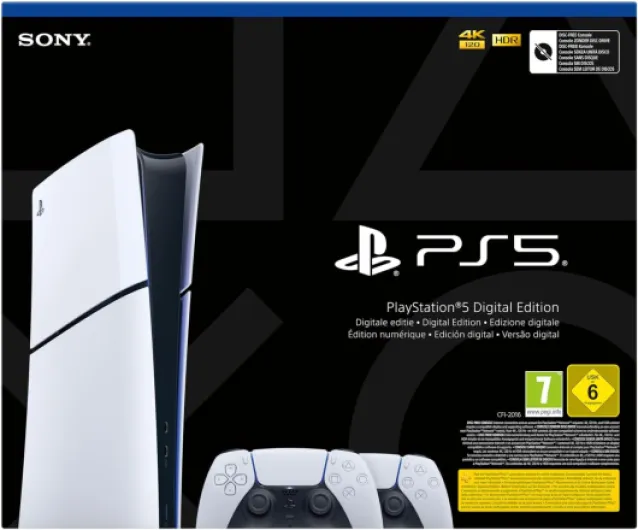
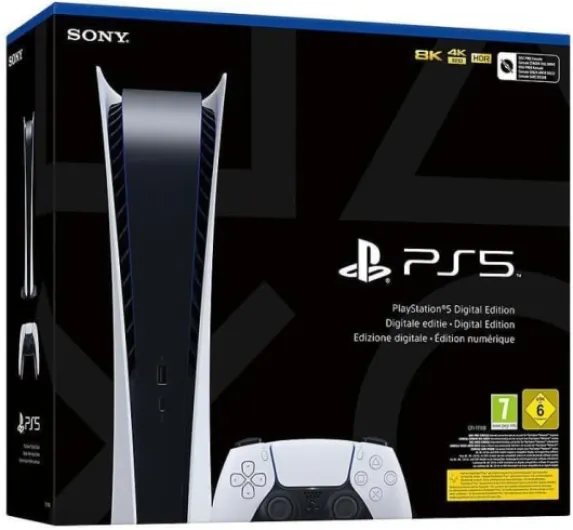
Sony PlayStation 5 and the ray traced blockbuster ecosystem
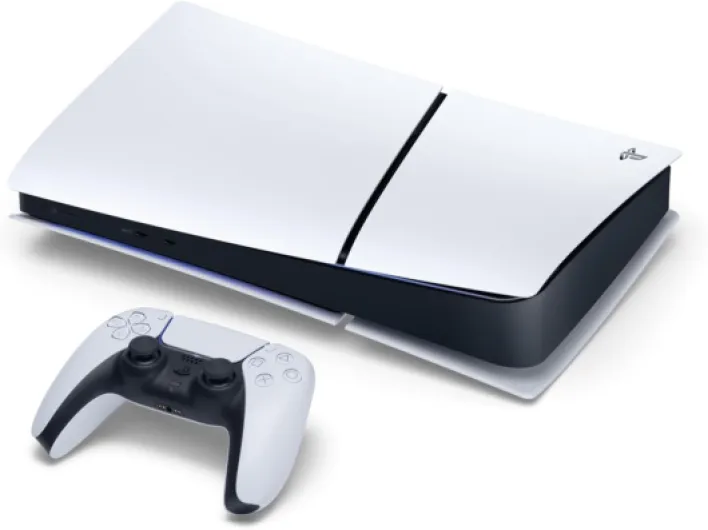
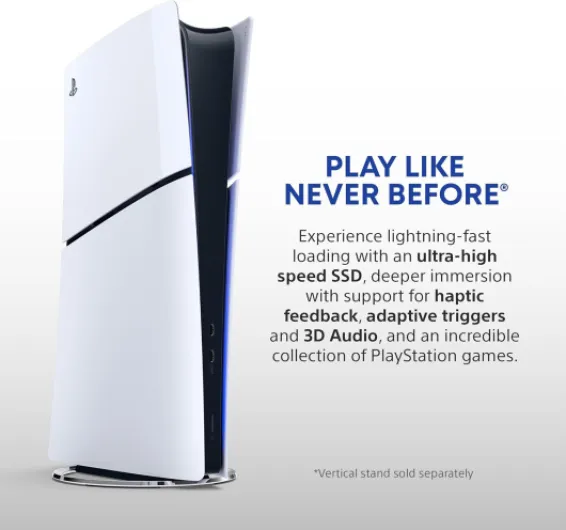
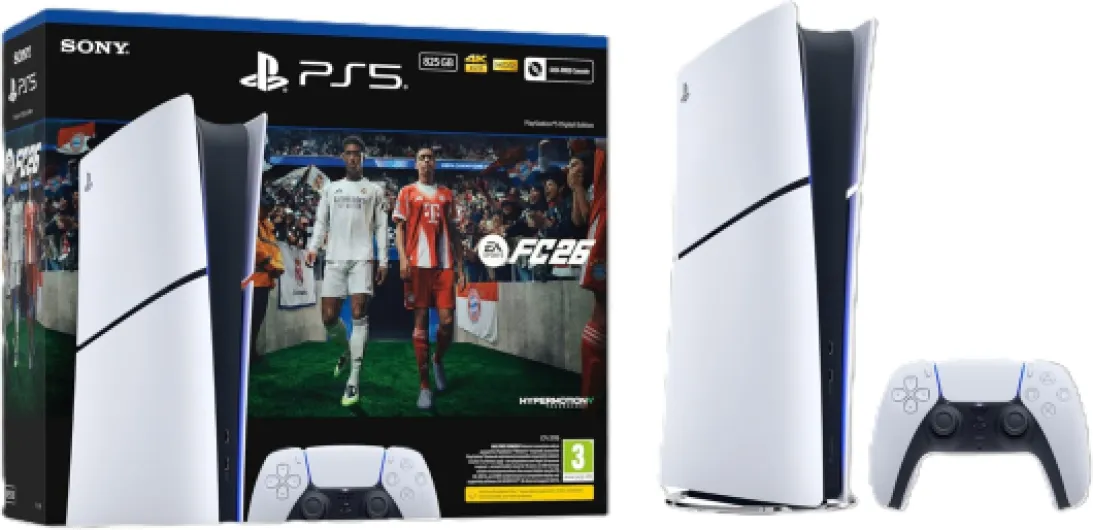
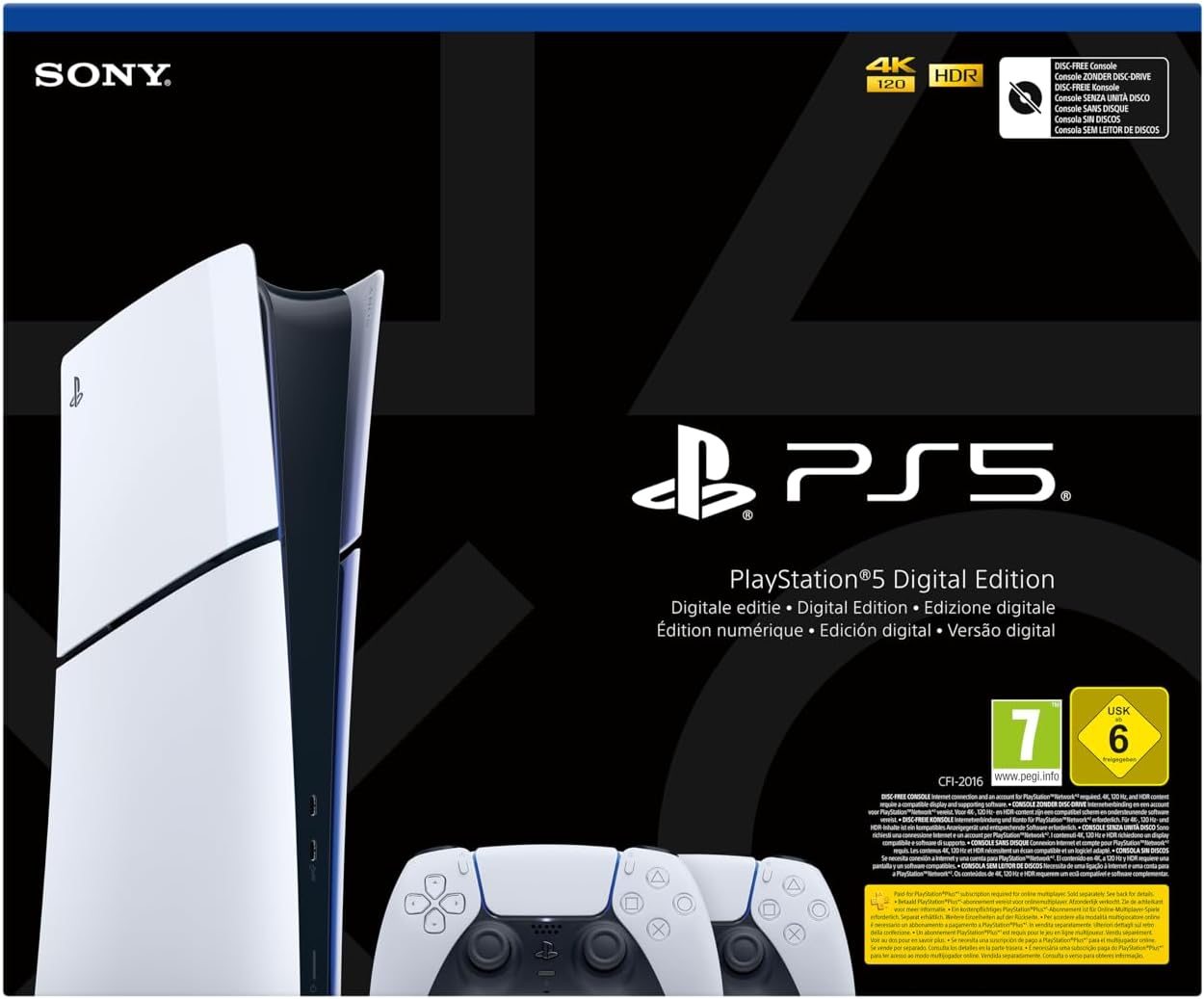
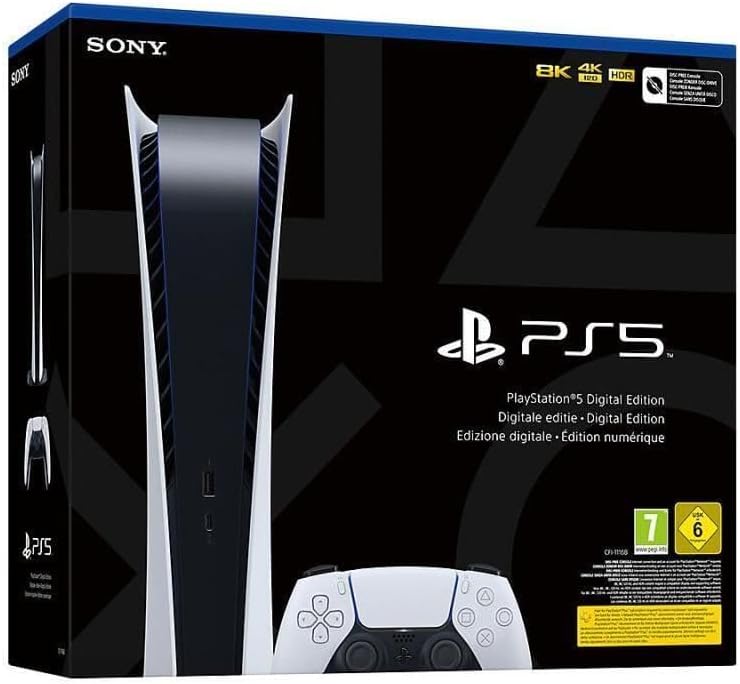
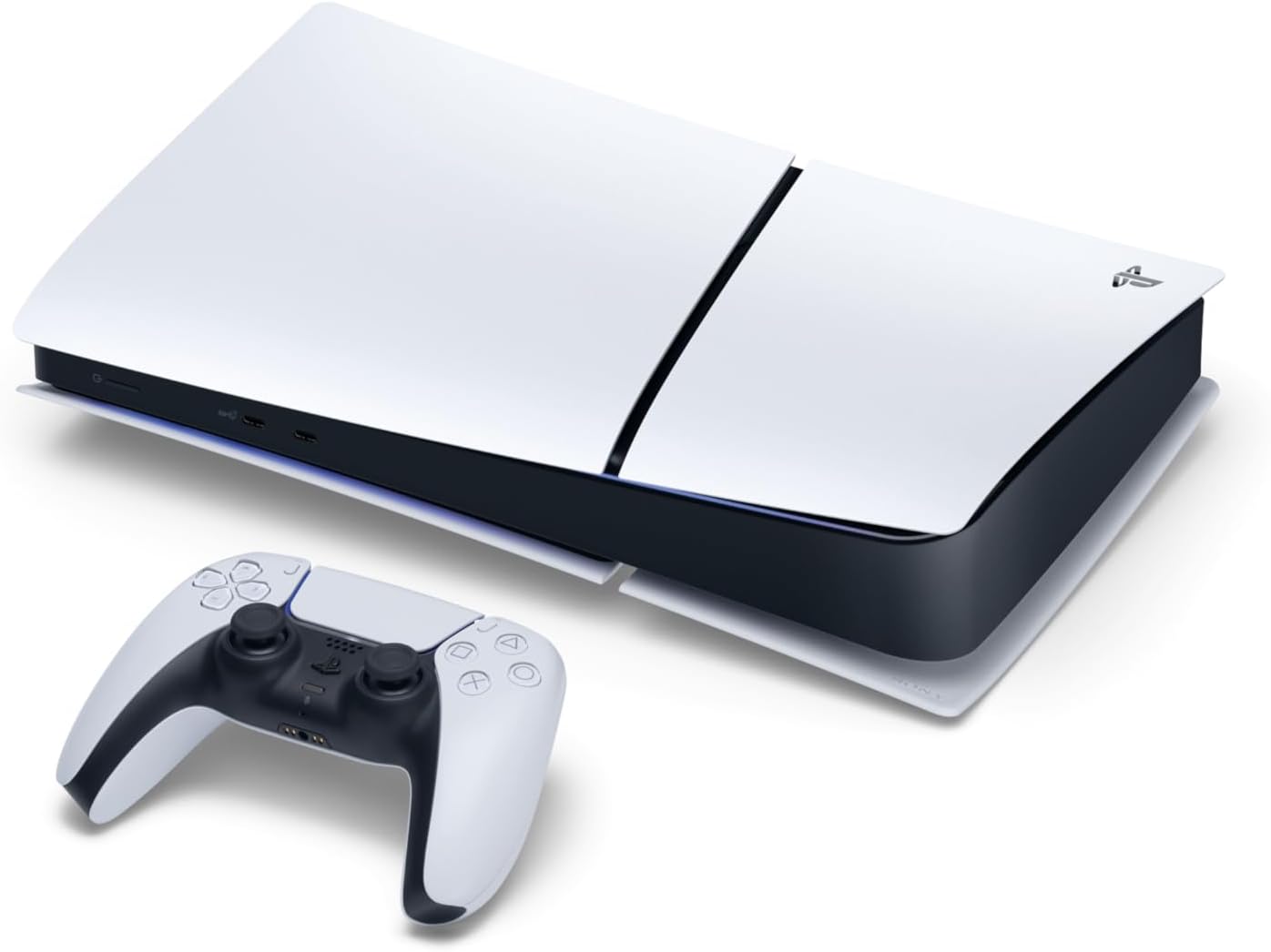
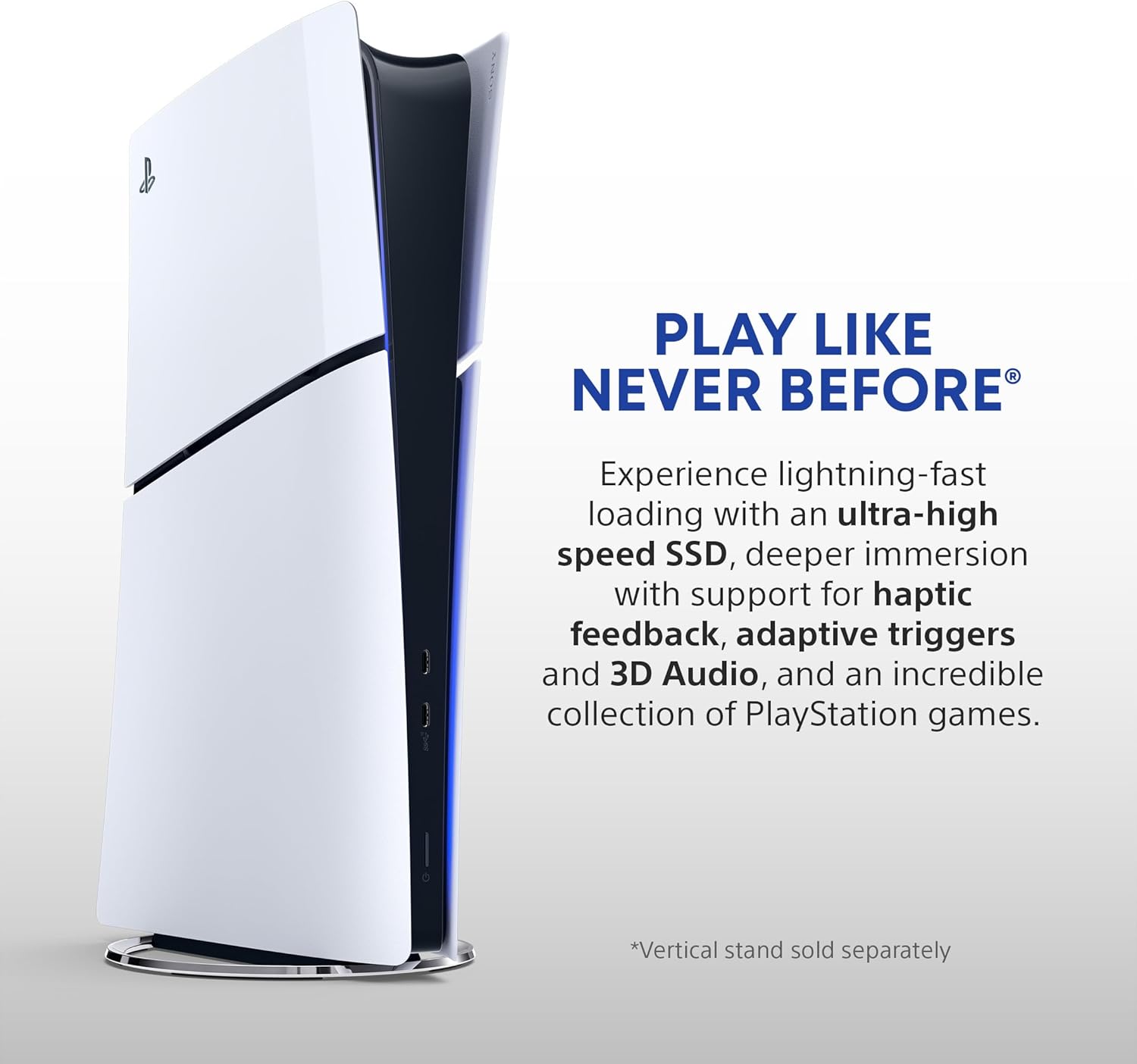
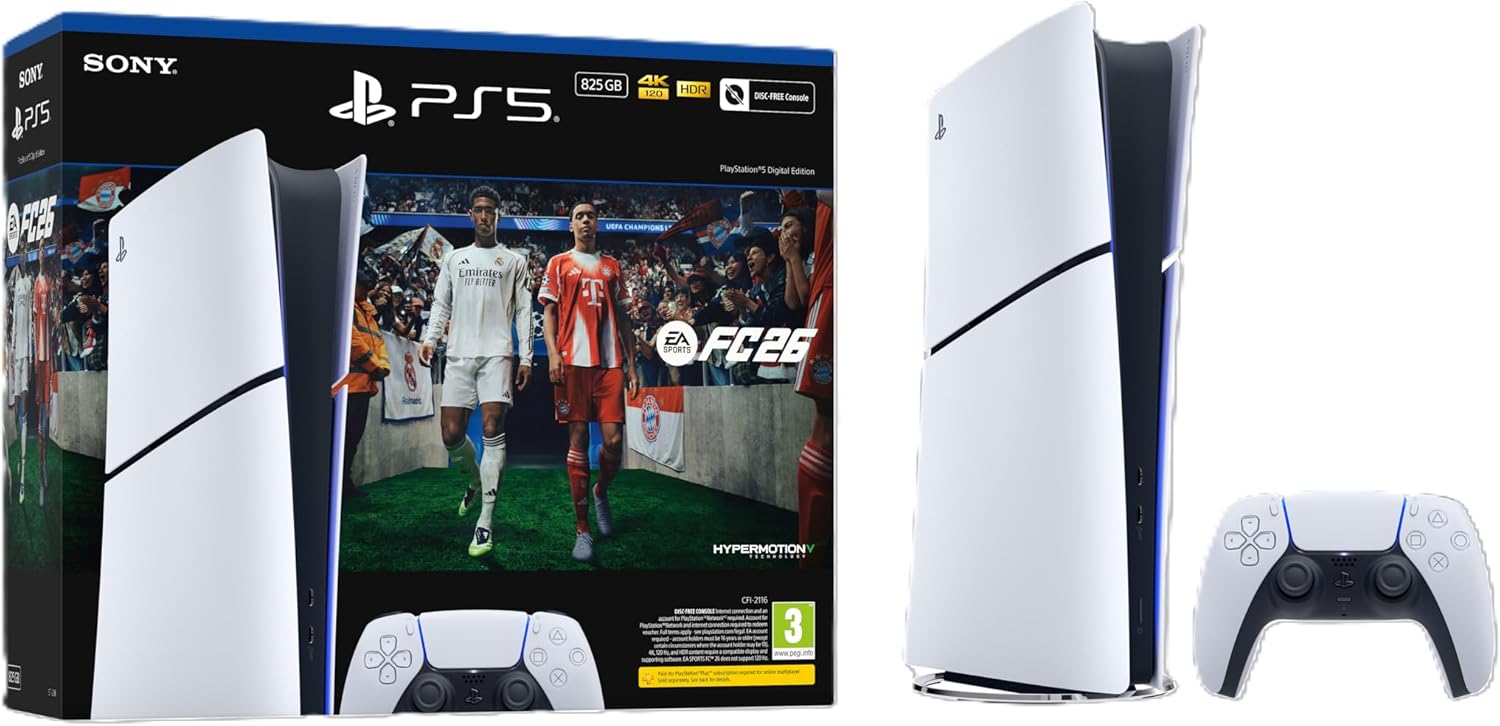
The Sony PlayStation 5 is one of the best gaming consoles with ray tracing for players who prioritize exclusive games. Sony PlayStation studios have invested heavily in cinematic storytelling, and advanced lighting helps these games reach a visual standard that feels close to high budget streaming series. When you play a game such as Spider Man on this console, ray traced reflections on skyscraper windows and wet streets make the city feel alive and reactive.
Many PlayStation games offer a choice between performance and fidelity game modes, and ray tracing usually appears in the fidelity options. In Spider Man and other Sony PlayStation exclusives, you can select a mode with ray tracing at a slightly lower frame rate, or a performance mode without ray tracing but with smoother motion. Players who want to evaluate whether a higher end model is worthwhile can read a clear eyed analysis such as whether a PS5 Pro tier console is worth the premium before upgrading their existing console.
Horror franchises such as Resident Evil also benefit from ray tracing on PlayStation, because realistic shadows and reflections intensify tension in every corridor. When a Resident Evil game uses ray tracing for global illumination, the subtle bounce of light off walls and floors makes each room feel more oppressive and unpredictable. For players who want a console with ray tracing and a strong library of narrative driven games, the Sony PlayStation 5 stands out as a balanced choice that pairs advanced tech with consistent first party support.
Nintendo Switch, Switch Lite and the rise of handheld gaming
Nintendo Switch and Switch Lite focus on handheld gaming and hybrid play rather than on heavy ray tracing workloads. These consoles prioritize battery life, portability, and accessible game design, which means they do not offer hardware accelerated ray tracing like the Xbox Series or Sony PlayStation systems. For many families and casual players, the Nintendo Switch remains the best console for local multiplayer games and creative adventure game experiences, even without ray traced lighting.
When you compare Nintendo Switch with the best gaming consoles with ray tracing, you are really comparing different philosophies. Nintendo Switch and Switch Lite emphasize unique game modes such as tabletop play, Joy Con motion controls, and family friendly video games that run smoothly at modest resolutions. By contrast, consoles with ray tracing focus on high end performance, advanced tech features, and visually dense worlds that push hardware close to its limits.
Some players pair a Nintendo Switch with a more powerful console or a PC equipped with a GeForce RTX card to cover every type of game. In this setup, you might play big budget ray traced games on a living room console, while using the Switch for handheld gaming sessions on trains or flights. If you want to understand how accessories such as USB 3 to USB C adapters affect both portable and home consoles, a guide on choosing the right USB 3 to USB C adapter for modern gaming consoles helps you avoid bandwidth bottlenecks when you connect storage or docks.
Steam Deck, Deck OLED and PC style ray tracing on the go
Valve’s Steam Deck and the updated Deck OLED bring PC gaming libraries into a handheld gaming form factor. These devices can technically run games with ray tracing, but their integrated GPUs are not as strong as a desktop GeForce RTX card or a home console, so performance with ray tracing enabled is often limited. In practice, most players treat the Steam Deck as a portable console for games without ray tracing, while reserving heavy ray traced titles for a more powerful PC or console.
When you connect a Steam Deck to an external display and a dock, it behaves like a small console with access to the full Steam library. Many games on Steam include advanced game modes that support DLSS, ray tracing, and other PC centric tech features, and you can experiment with these options on the Deck to see what balance of performance and image quality you prefer. The Deck OLED model improves screen contrast and color, which makes non ray traced lighting look richer and can partially offset the lack of heavy ray tracing in demanding games.
For players who already own a PC with RTX hardware, the Steam Deck works best as a companion device rather than as their only system with ray tracing. You can play an adventure game or an indie title on the Deck during commutes, then continue a more demanding game with RTX features such as Doom Eternal or Resident Evil on your desktop later. This flexible approach lets you enjoy the best gaming consoles with ray tracing at home while still having a capable handheld gaming device for lighter games on the move.
Choosing the best gaming consoles with ray tracing for your needs
Selecting the best gaming consoles with ray tracing starts with understanding how you play. If you mainly enjoy cinematic single player games such as Spider Man or Resident Evil, a Sony PlayStation 5 with fidelity game modes and ray traced effects will likely match your expectations. Players who prefer a broad subscription library with game pass style access and strong backward compatibility often lean toward an Xbox Series console instead.
PC focused players who already own a system with RTX hardware, such as a desktop equipped with a GeForce RTX card, may want a console that complements rather than replaces their PC. In that case, an Xbox Series X with Game Pass or a Sony PlayStation 5 with strong exclusives gives you access to console only games while your PC handles the heaviest ray tracing workloads. Handheld first players might combine a Nintendo Switch or Switch Lite with a home console, using the portable system for family friendly games and the living room console for advanced tech features such as ray tracing and DLSS style upscaling.
Accessory choices also influence your experience with ray traced games, especially when you use external storage or capture devices. High bandwidth USB 3 to USB C adapters, quality HDMI cables, and reliable docks help maintain stable performance with game streaming and recording, which matters when you share video clips of ray traced scenes. For casual players who want a simple setup, guides such as the overview of top gaming consoles for casual gamers provide a useful baseline before you dive into more advanced ray tracing considerations.
Key statistics about ray tracing and gaming consoles
- Market analysts report that a growing share of new AAA console games now include at least one ray tracing mode, showing how quickly developers adopt this tech across genres.
- Surveys of console owners indicate that players who use ray tracing modes are more likely to own 4K televisions, which suggests that higher resolution displays encourage interest in advanced lighting features.
- Performance testing on current generation consoles, including aggregated results from reviewers such as Digital Foundry, generally shows that enabling ray tracing can reduce frame rates by roughly 30 to 50 percent compared with non ray traced modes, which is why many games offer separate performance and quality presets.
- Sales data for handheld gaming devices such as the Steam Deck and Nintendo Switch demonstrate that portability remains a major priority, even though these systems cannot match the ray tracing performance of home consoles or high end PCs.
- Industry reports highlight that subscription services such as Game Pass significantly increase the number of games players sample with ray tracing, because they can try experimental modes without purchasing each title individually.