Best gaming consoles for living rooms: how to choose the right system
PlayStation and Xbox series consoles in the living room
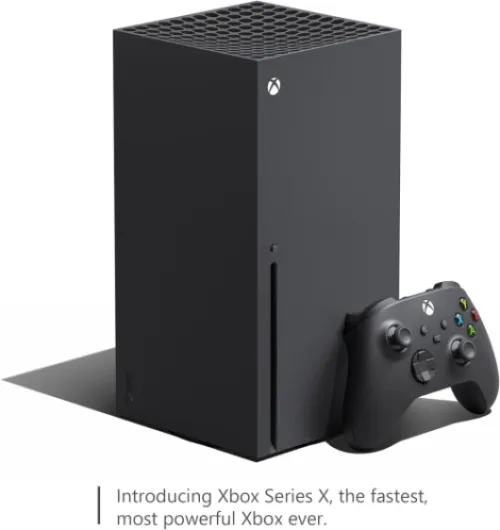
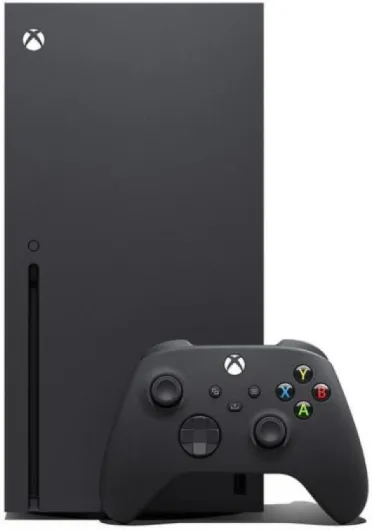
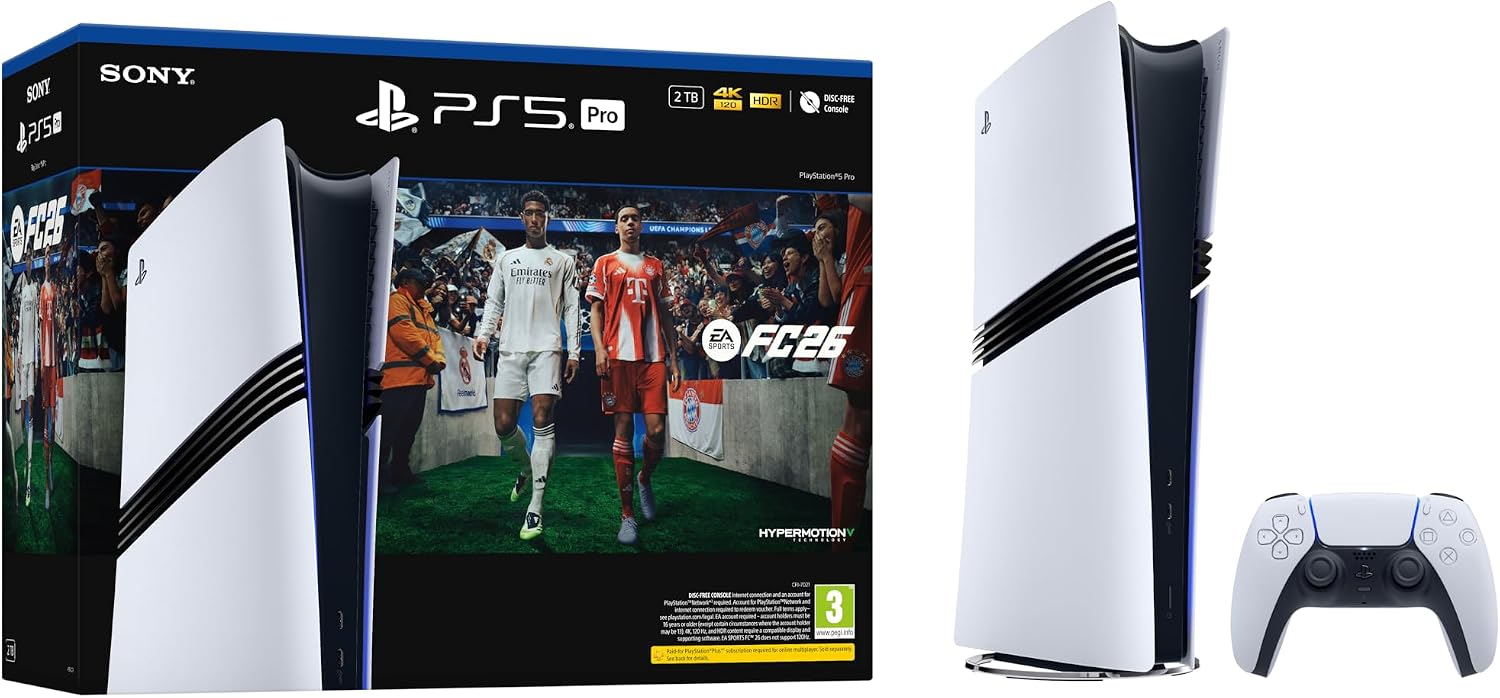
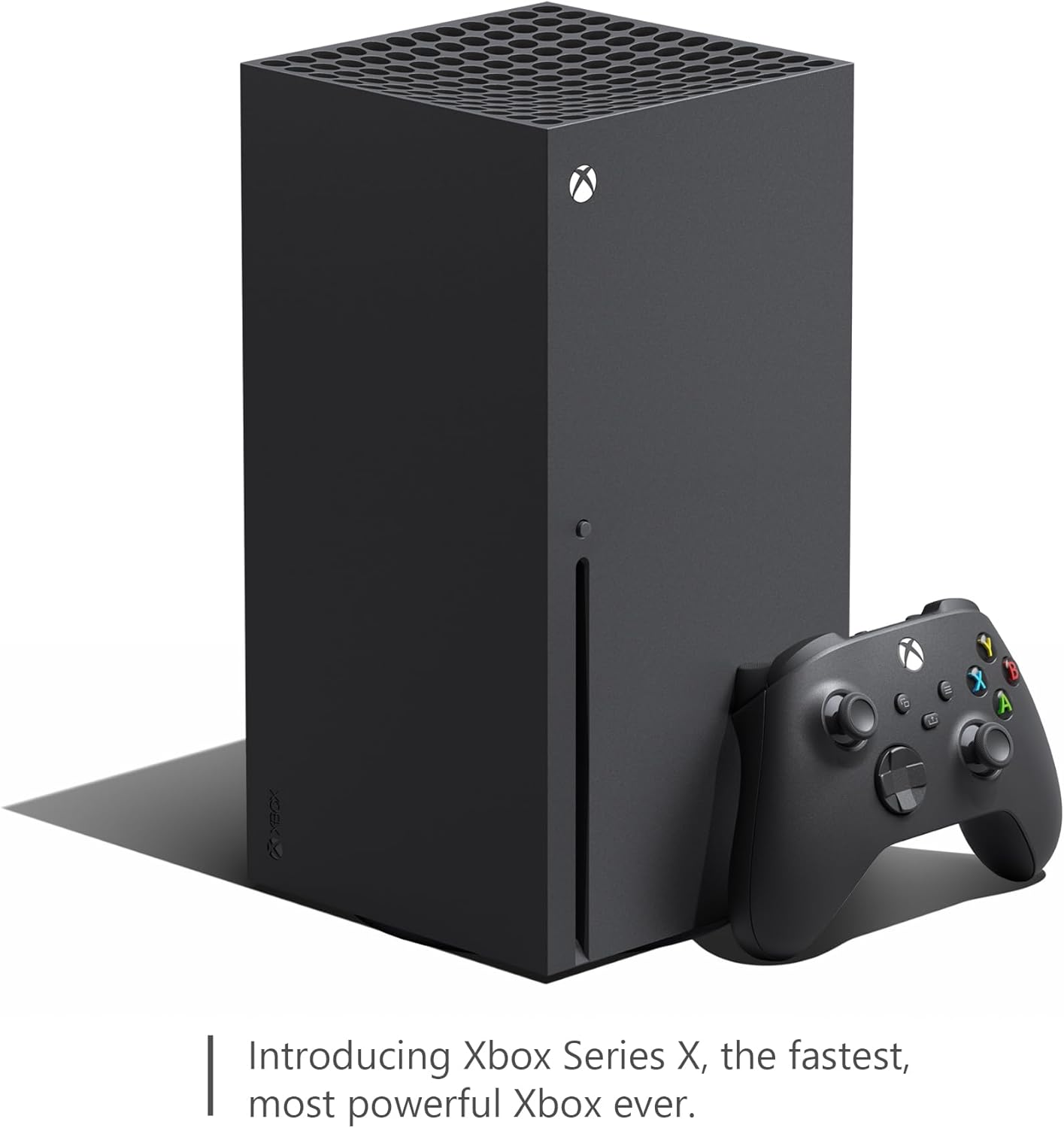
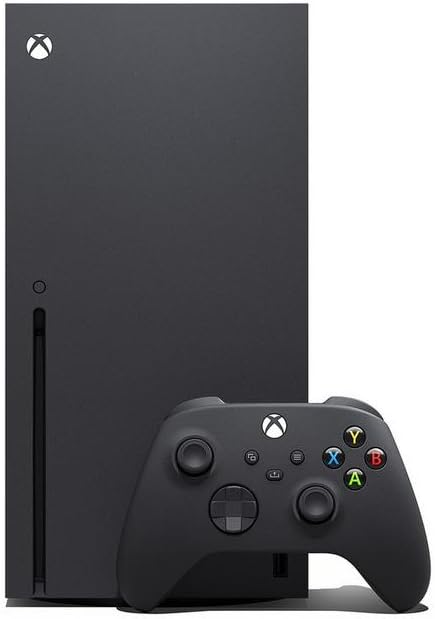
Sony and Microsoft dominate the best gaming consoles for living rooms, especially for players who want high end graphics and expansive games libraries. A modern PlayStation console excels at visually rich single player game experiences, while an Xbox Series console leans into ecosystem benefits such as Game Pass and cross platform play. Both consoles offer powerful gaming hardware, but their strengths differ in ways that matter for a shared living room.
For many households, the reasons to buy a PlayStation console include blockbuster exclusive games, a refined controller, and strong video streaming apps. On the other hand, the reasons to buy an Xbox Series console often centre on value, because Game Pass delivers hundreds of games for a single subscription and makes it easier to experiment with new titles. If you are unsure which console fits your lifestyle, imagine a typical week: if you mainly settle in for long single player sessions, a PlayStation 5 usually feels more rewarding, while a living room full of people dipping into different genres may lean toward an Xbox Series X or Series S with Game Pass.
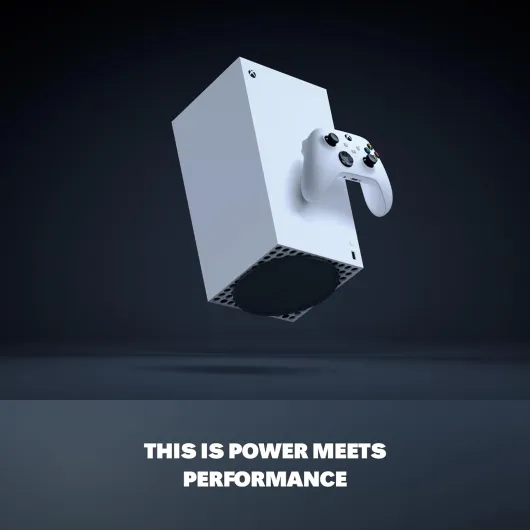
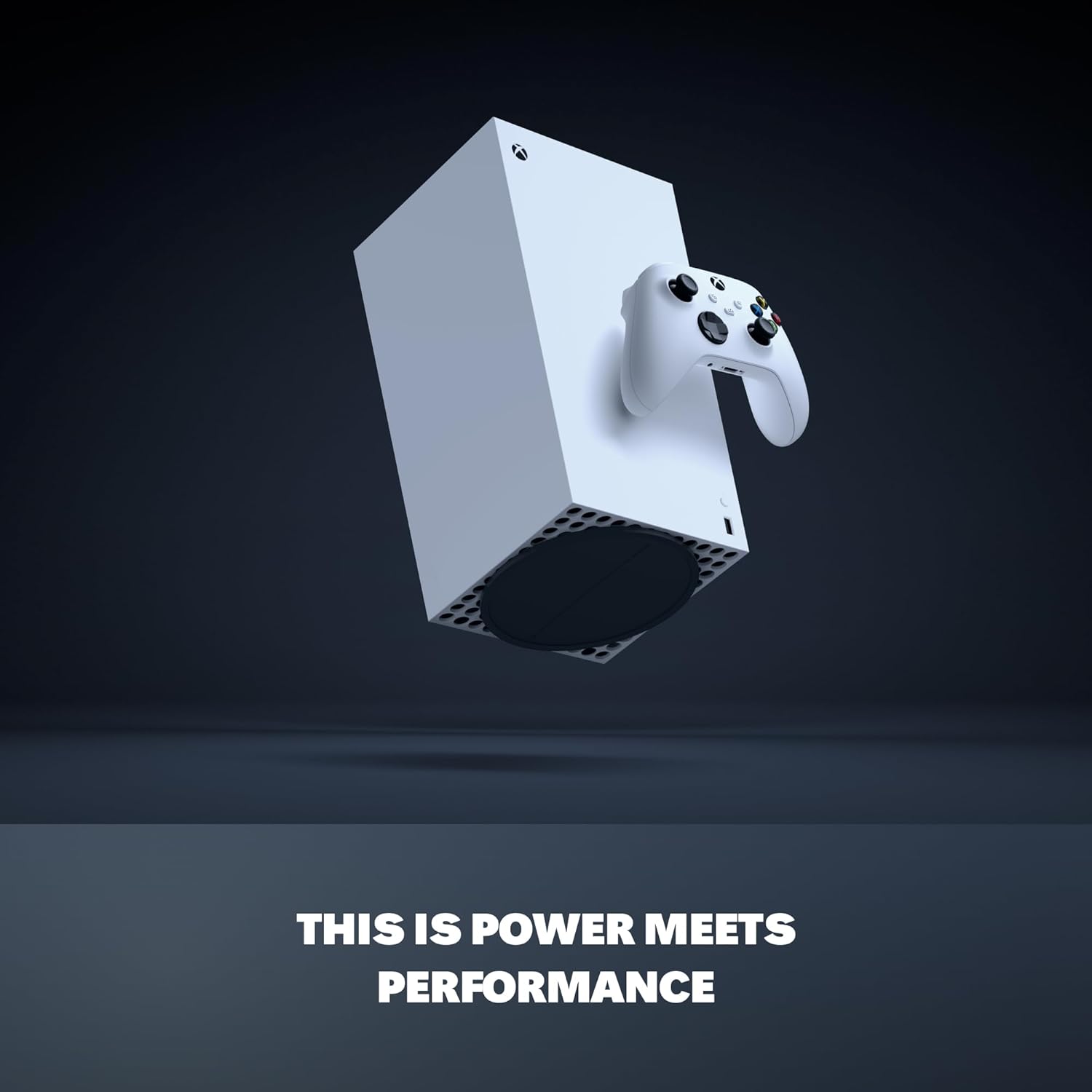
There are also reasons to avoid each console, depending on your priorities and your living room layout. A disc drive or optical drive adds flexibility for physical game discs and Blu ray video, yet it introduces extra noise that some players notice during quiet scenes. Digital only consoles such as the PlayStation 5 Digital Edition or Xbox Series S remove the disc drive entirely, which keeps the console smaller and quieter, but they lock you into buying every game from an online store and make it harder to share titles with friends who still use discs.
PlayStation 5 vs Xbox Series X key living room specs (as of 2024)
| Feature |
PlayStation 5 |
Xbox Series X |
| Target resolution / frame rate |
Up to 4K at 120 fps |
Up to 4K at 120 fps |
| Typical fan noise under load |
Approx. 30–35 dB in many tests (for example, measurements reported by outlets such as Digital Foundry and Eurogamer) |
Approx. 30–35 dB in many tests (similar ranges cited by hardware reviewers including Digital Foundry) |
| Disc drive |
4K UHD Blu ray (standard model) |
4K UHD Blu ray |
Nintendo switch, Switch Lite, and family friendly living rooms
For many families, the best gaming consoles for living rooms are the Nintendo Switch and its smaller sibling, the Switch Lite. A standard Nintendo Switch console can dock to your television for big screen gaming, then undock for handheld gaming when someone else wants the living room television back. The Switch Lite focuses on portable play only, but it still runs the same Nintendo games and video titles, which makes it a flexible second console in a busy household.
Parents often list several reasons to buy a Nintendo Switch console, starting with its approachable games and colourful image design. Mario Kart, Animal Crossing, and other Nintendo games encourage local multiplayer play, which turns the living room into a social space instead of a solitary gaming zone. If you are new to gaming, a curated guide to top gaming consoles for beginners can help you decide whether a Nintendo Switch, a PlayStation, or an Xbox console offers the right balance of simplicity and depth.
There are also reasons to avoid relying only on a Switch Lite or standard Switch console for serious home cinema use. While the Nintendo Switch delivers charming games, its maximum resolution and image sharpness lag behind more powerful consoles, especially on very large televisions. In docked mode, most titles target 1080p at 30 or 60 frames per second, and some games drop below that resolution to maintain performance. If you care deeply about ultra detailed graphics and the future image quality of your setup, you may want a second gaming console such as a PlayStation or Xbox Series system alongside your Nintendo hardware.
Steam Deck, Deck OLED, and handheld gaming in the living room
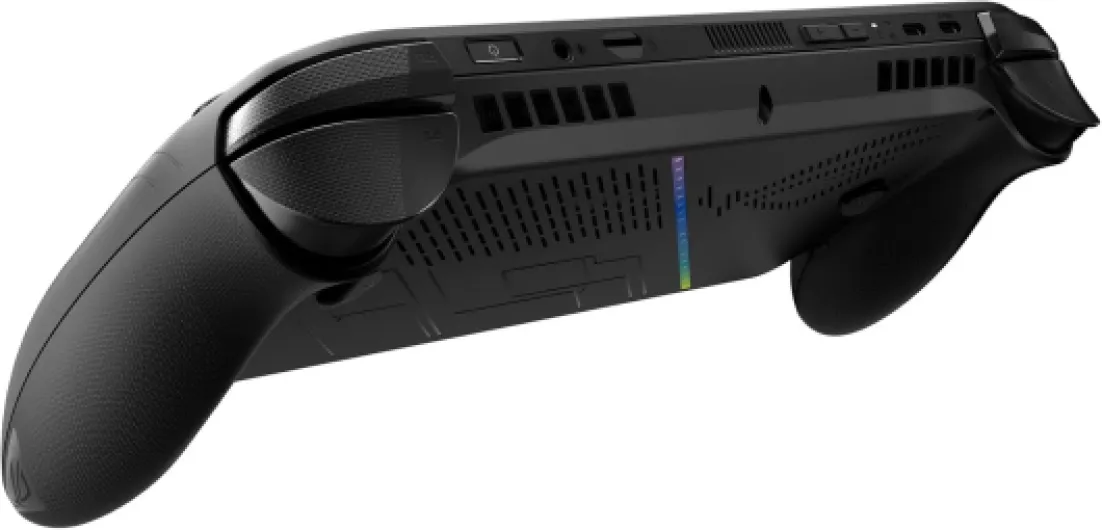
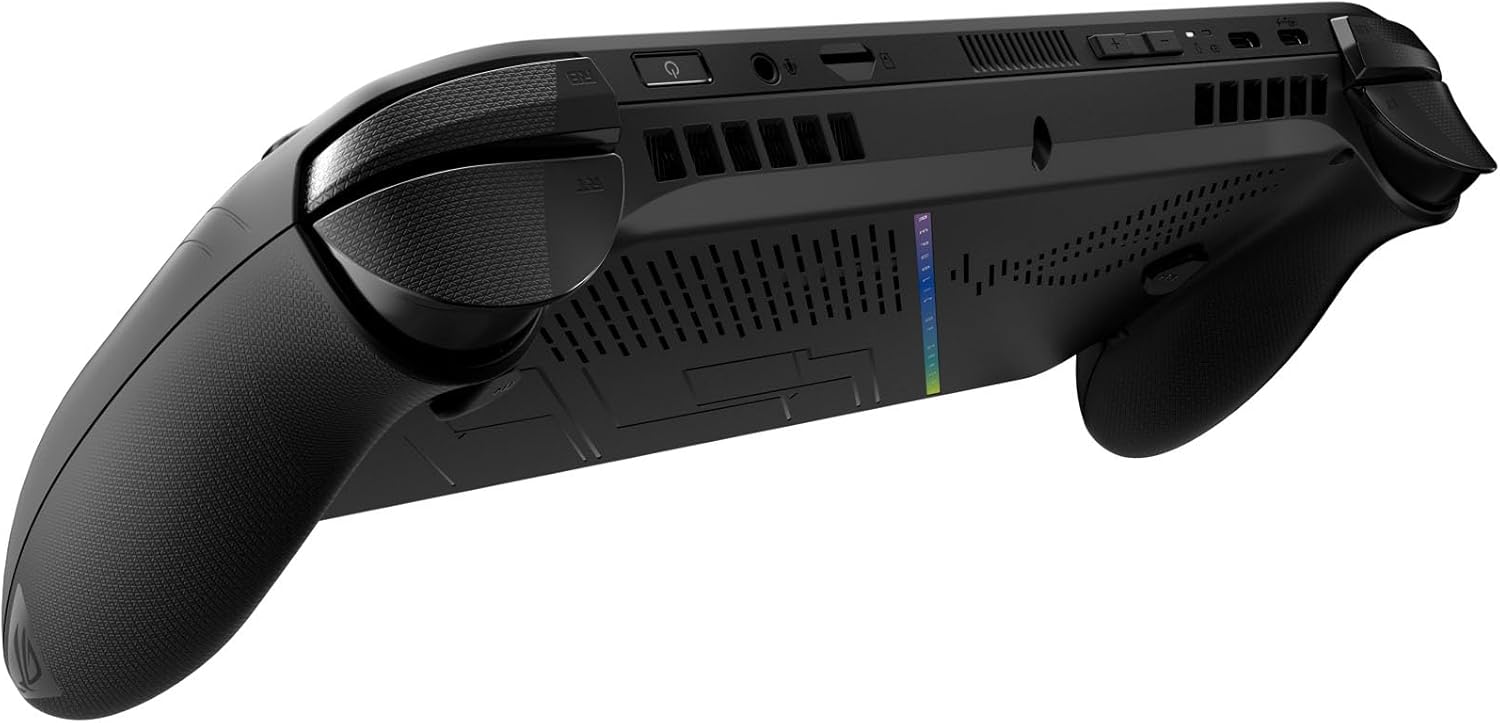
Handheld gaming devices such as the Steam Deck and the newer Deck OLED model have changed how people use their living rooms. A Steam Deck console can connect to a television through a dock, turning a portable gaming console into a living room games console when you want a larger image. The Deck OLED improves the screen quality for handheld play, but when docked it still outputs a sharp video signal that works well on modern televisions.
These handheld gaming systems shine when you want flexibility between couch play and travel, yet they also introduce specific reasons to buy and reasons to avoid. You might buy a Steam Deck console for access to a vast library of PC games, including many indie titles that never reach PlayStation, Xbox, or Nintendo consoles. However, you might avoid relying on a Steam Deck as your only living room gaming console if you prefer the simplicity of disc based games, a quiet optical drive, or plug and play experiences without PC style settings.
Valve’s handheld gaming approach also changes how you think about the future of your living room setup. Because the Steam Deck and Deck OLED rely on digital purchases, you never handle a physical disc drive, and your game library follows you between the living room and other rooms. For some players, that digital focus represents a credit future where ownership feels less tangible, while others appreciate the convenience and the best gaming flexibility across multiple spaces.
Space, noise, and design in living room gaming consoles
When you evaluate the best gaming consoles for living rooms, physical design matters as much as specifications. A tall console with aggressive styling can clash with minimalist furniture, while a compact games console slides neatly into a media cabinet beside your television. Before you buy any gaming console, measure your shelves and check ventilation, because cramped spaces can trap heat and degrade performance over time.
Noise is another critical factor that separates the review best consoles from those you might quietly regret. A console with a loud disc drive or optical drive can interrupt quiet scenes in story driven games and distract from subtle audio details in films. Many expert review summaries highlight fan noise and drive sounds as reasons to avoid certain consoles for small living rooms, especially when the sofa sits close to the television stand.
Design also influences how often you actually play games in the living room. Consoles with intuitive interfaces, clear image layouts, and responsive controllers encourage quick sessions, while cluttered menus or awkward cabling can discourage spontaneous play. If you want more ideas for compact setups, a resource on top compact gaming consoles can help you match console size, image quality, and gaming habits to your specific living room.
Services, budgets, and planning for the future image of your setup
Choosing among the best gaming consoles for living rooms also means thinking about services, subscriptions, and long term budgets. Xbox Game Pass, PlayStation subscription tiers, and Nintendo online services each change how you access games, whether you prefer to buy individual titles or pay monthly for a rotating library. These services can reduce the upfront credit cost of building a game collection, but they also tie your play habits to ongoing payments.
When you plan the credit future of your gaming budget, consider how many people will share the console and which games they actually play. A family that enjoys frequent short sessions may benefit more from Game Pass on an Xbox Series console, while a single player enthusiast might prefer to buy specific PlayStation or Nintendo Switch titles outright. Think about how often you watch streaming video on the same console, because that affects how much you value image quality, app support, and silent operation.
Finally, remember that every games console purchase shapes the future image of your living room. A sleek gaming console that blends with your décor, offers a quiet disc drive or no optical drive at all, and supports your favourite games will feel like part of the furniture rather than an intrusive gadget. Take time to read at least one expert review and a balanced review best roundup before you commit, so your next playground for games, films, and music truly earns the label of best gaming hub for your home.
Key figures about living room gaming consoles
- Global console gaming revenue exceeded 53 billion US dollars in 2023 according to Newzoo’s Global Games Market Report 2023, showing how central living room consoles remain to the games industry; Newzoo’s published figures group dedicated console hardware and software into this estimate.
- Surveys from the Entertainment Software Association’s 2024 Essential Facts report indicate that more than 70 percent of players use a television as their primary gaming screen, confirming that living rooms are still the main gaming space; the ESA bases this on nationally representative polling of US players.
- Market analyses from firms such as Ampere Analysis in 2023 report that PlayStation and Xbox consoles together account for the majority of home console game spending, while Nintendo Switch hardware leads in unit sales for family oriented systems, based on shipment and revenue data shared by platform holders.
- Consumer research from multiple retailers and platform holders shows that subscription services like Game Pass and PlayStation Plus are used by a growing share of console owners, highlighting the shift from disc based games to digital libraries; these findings are typically drawn from subscriber counts disclosed in quarterly earnings reports.