Best gaming console cooling accessories for quieter, safer long sessions
Stands, mounts, and holders that improve airflow
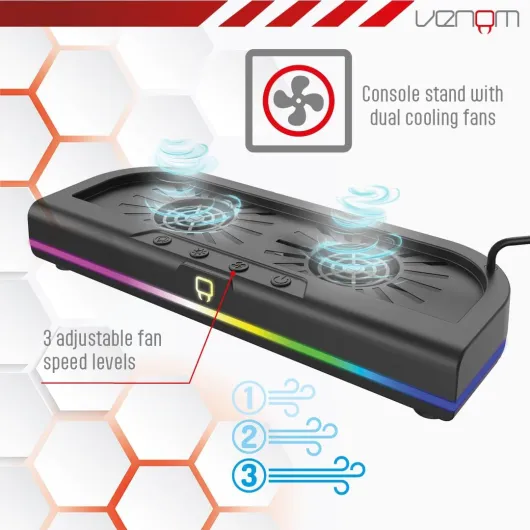
The foundation of any cooling strategy is how and where you place the console. A vertical stand lifts the machine off the surface, exposes more vents to open air, and often integrates a stand cooling fan that pulls hot air away from the chassis. When combined with a stable holder for controllers and a media remote, this type of stand game layout keeps cables tidy and reduces the chance of blocking vents accidentally.
Wall mount solutions take this idea further by freeing the console from cramped TV cabinets. A well engineered wall mount with a sleek design leaves several centimetres of clearance around every intake and exhaust vent, which allows the internal cooling system to work efficiently at lower fan speeds. Look for mounts that include rubber pads, secure brackets, and easy install instructions so you can position your console safely without specialist tools.
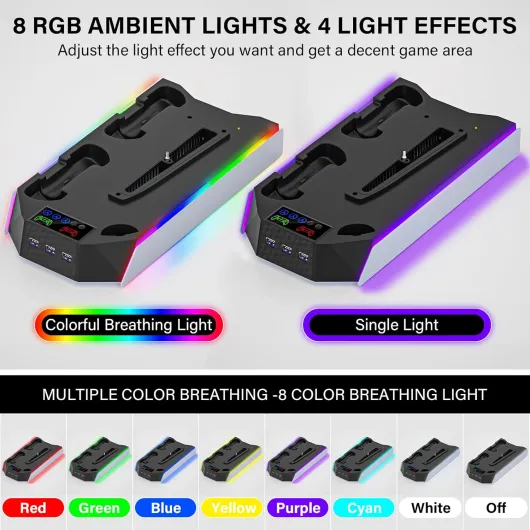
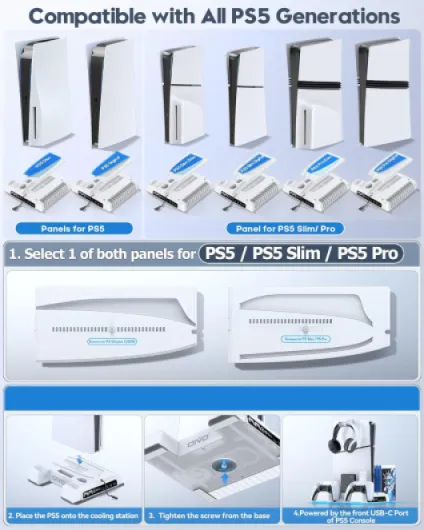
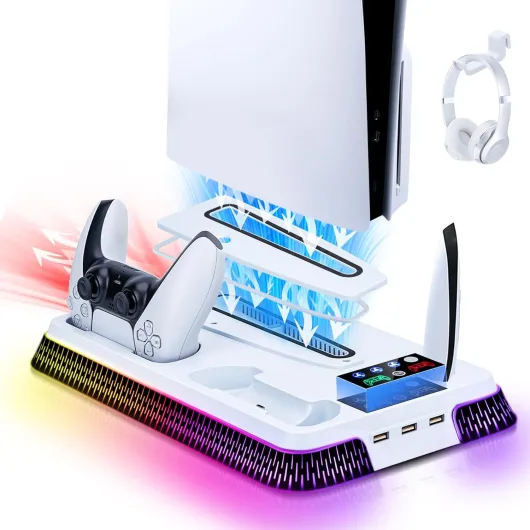
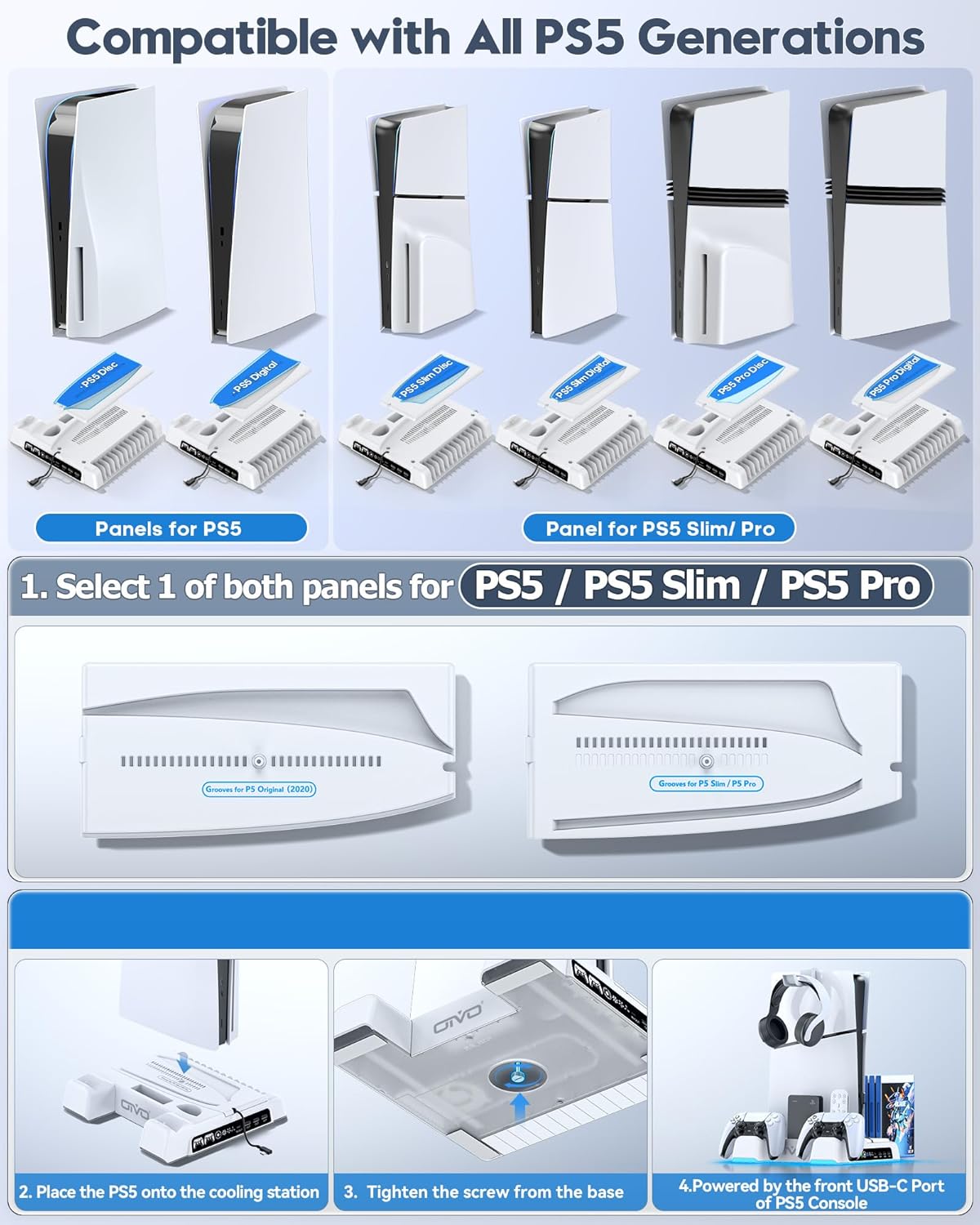
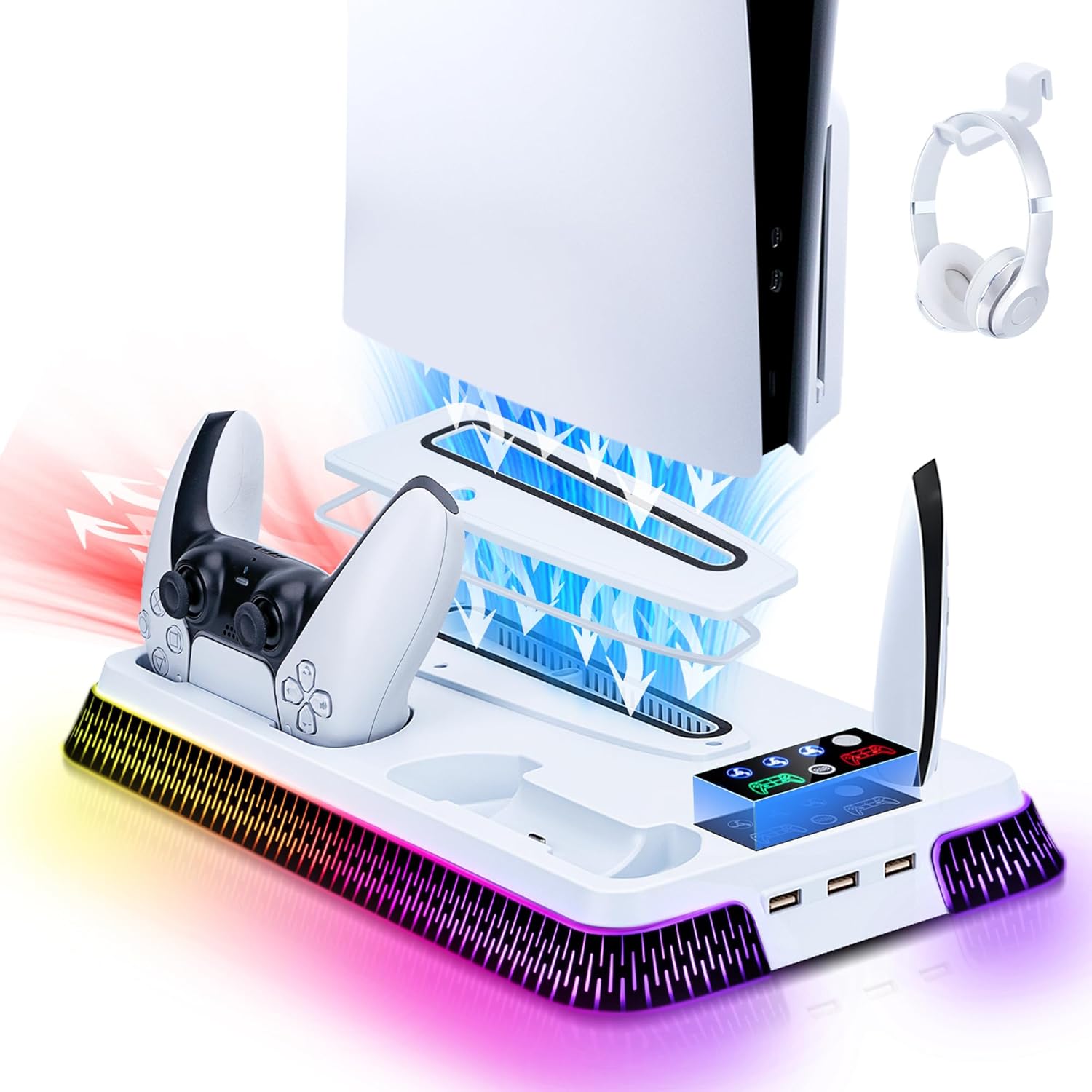
For PlayStation owners, a dedicated stand PlayStation kit often combines a vertical stand, a dual controller charging station, and a compact cooling fan in one accessory. These all in one gaming accessories save space while keeping controllers, media remote, and gaming headset within reach, which is especially helpful in small apartments. If you care about style as much as function, pairing such a stand with custom shells or skins, as explained in this guide on elevating console style and protection, creates a unified and efficient gaming corner.
Choosing between desktop stands and wall mounts
Desktop stands suit players who move their console between rooms or take it to friends’ houses. A portable stand with integrated usb ports, a controller charger, and a small cooling fan offers flexibility, while still improving airflow on any flat surface. When you read each review, pay attention to how stable the stand feels during disc changes and how much clearance it leaves under the console for air circulation.
Wall mounts are better for permanent setups in living rooms or dedicated gaming spaces. They keep the console away from pets, children, and accidental spills, and they also free up shelf space for physical game cases, controllers, and a wireless headset stand. Before buying, check user reviews for comments about easy install steps, cable routing options, and whether the mount blocks any ports or buttons on your specific console model.
Whichever route you choose, avoid cheap mounts or stands that rely on thin plastic clips or poorly aligned brackets. A great accessory should feel solid when you insert or remove controllers, connect a gaming headset, or press the power button during long gaming sessions. Investing in a robust stand or mount once is far cheaper than repairing a damaged console later.
Cooling fans, stations, and complete cooling systems
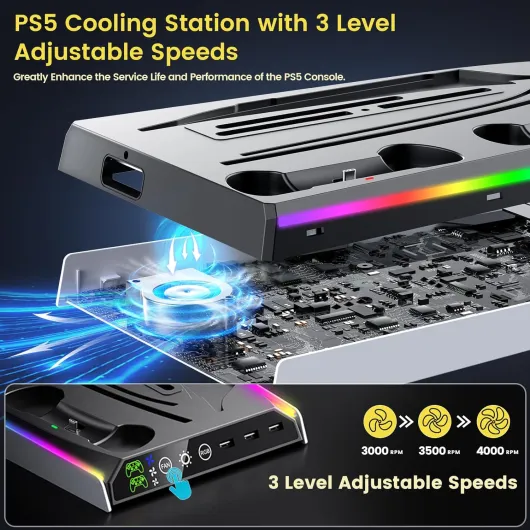
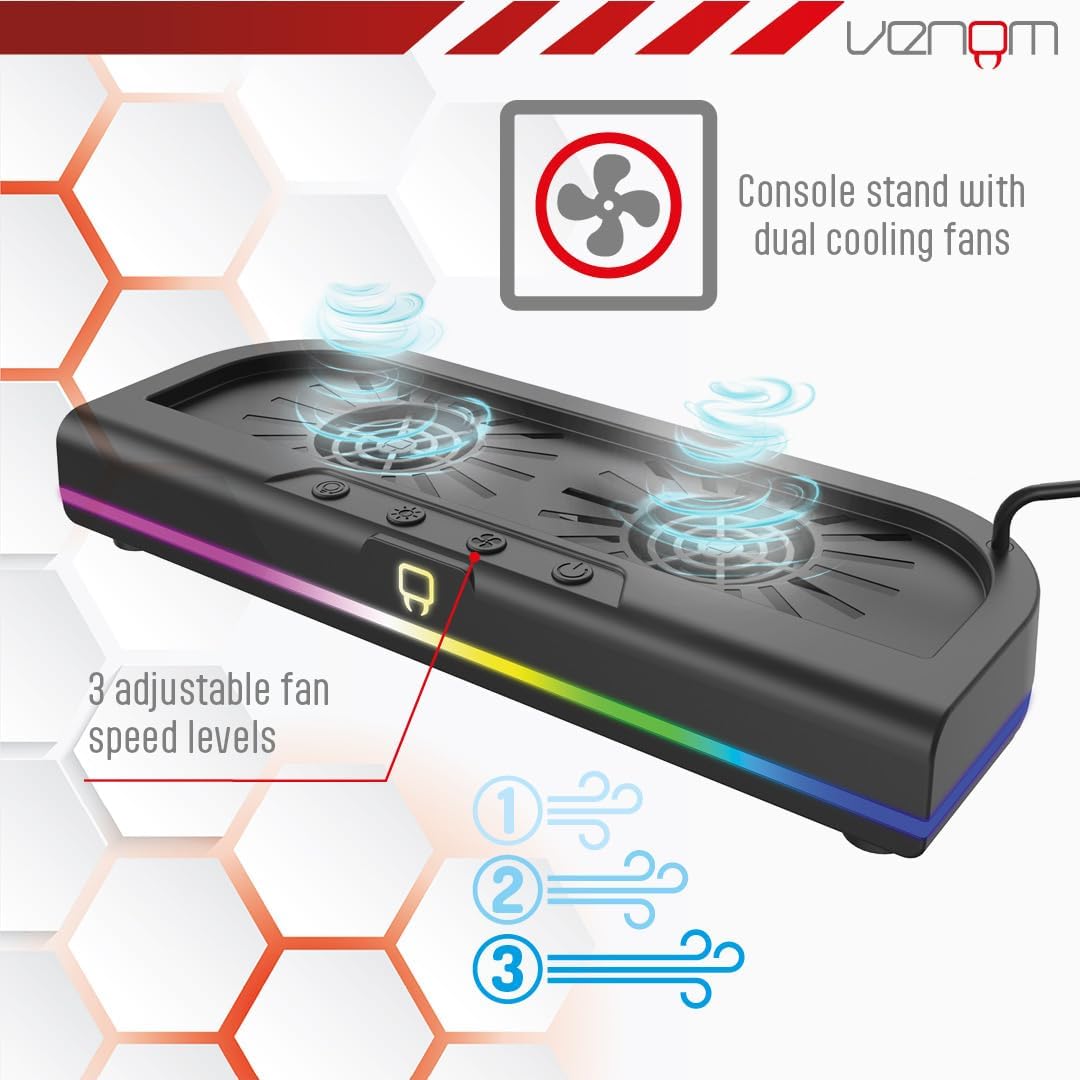
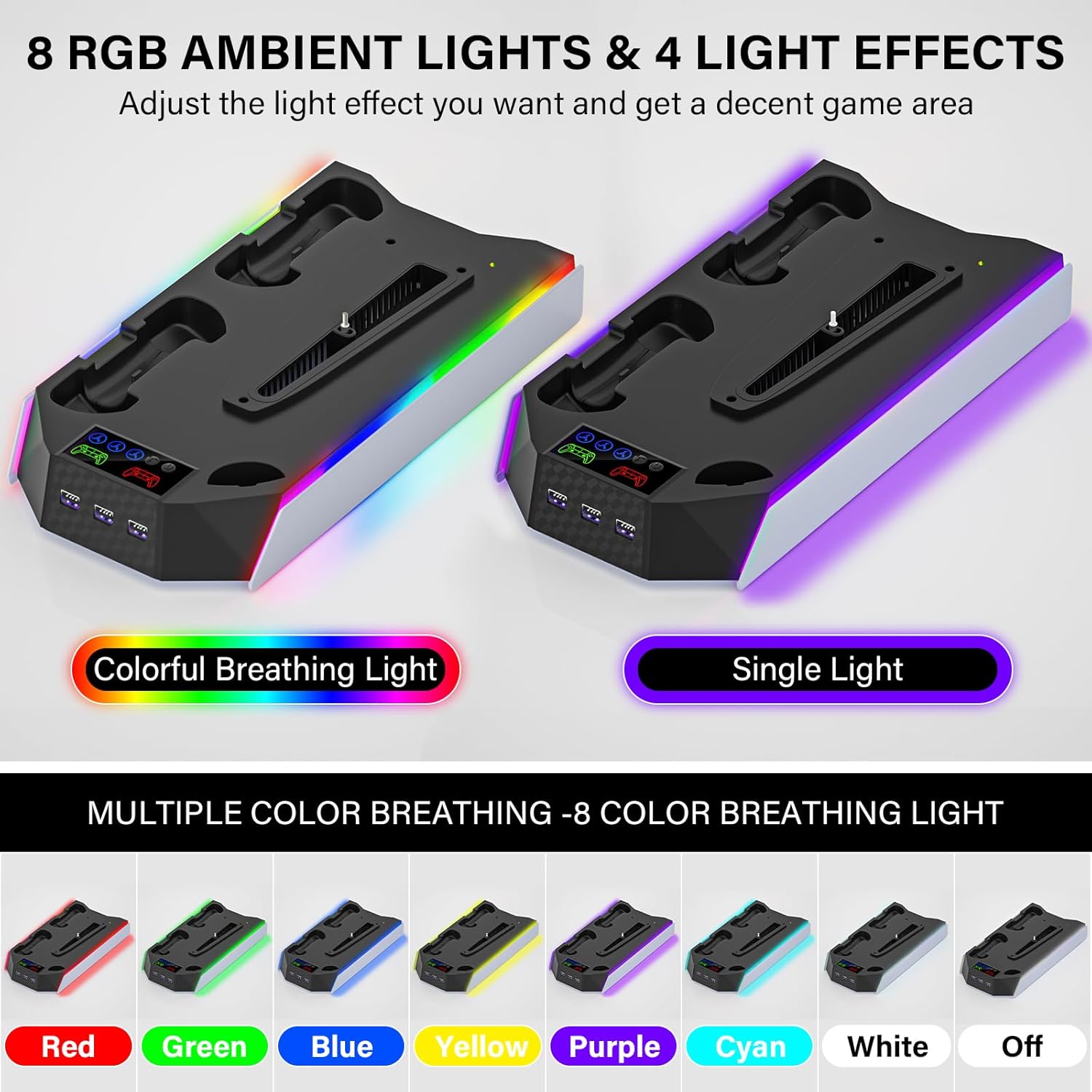
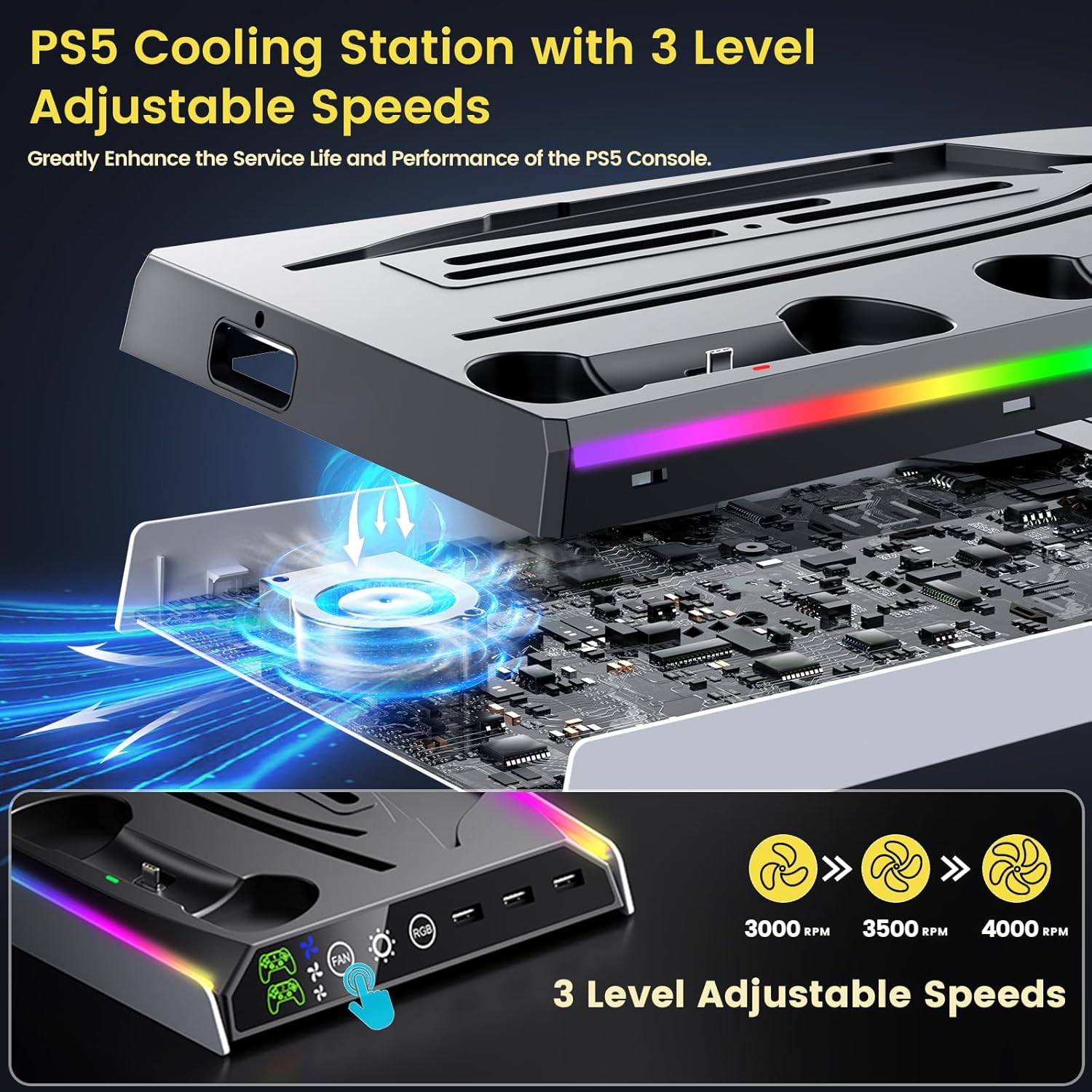
External cooling fans and multi function stations are the most visible cooling accessories on the market. A typical cooling station combines a vertical stand, a dual controller charger, and one or more cooling fans that draw hot air away from the console’s vents. These stations often add usb ports for charging a wireless headset or gaming headset, which turns them into central hubs for all your gaming accessories.
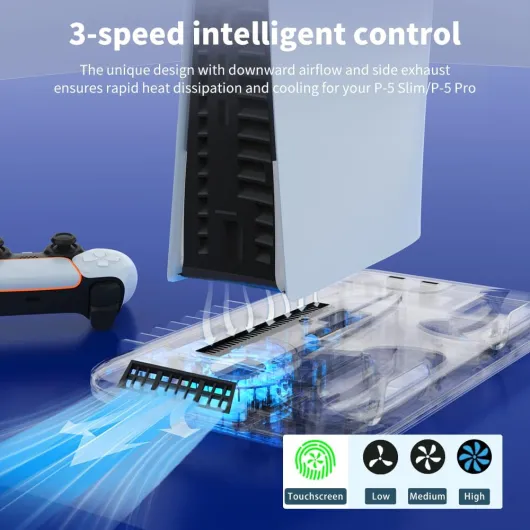
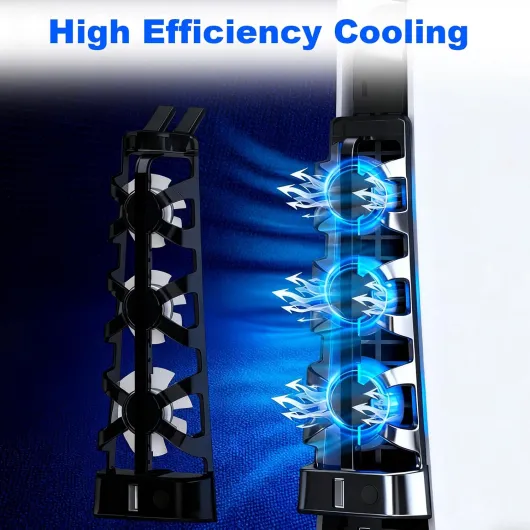
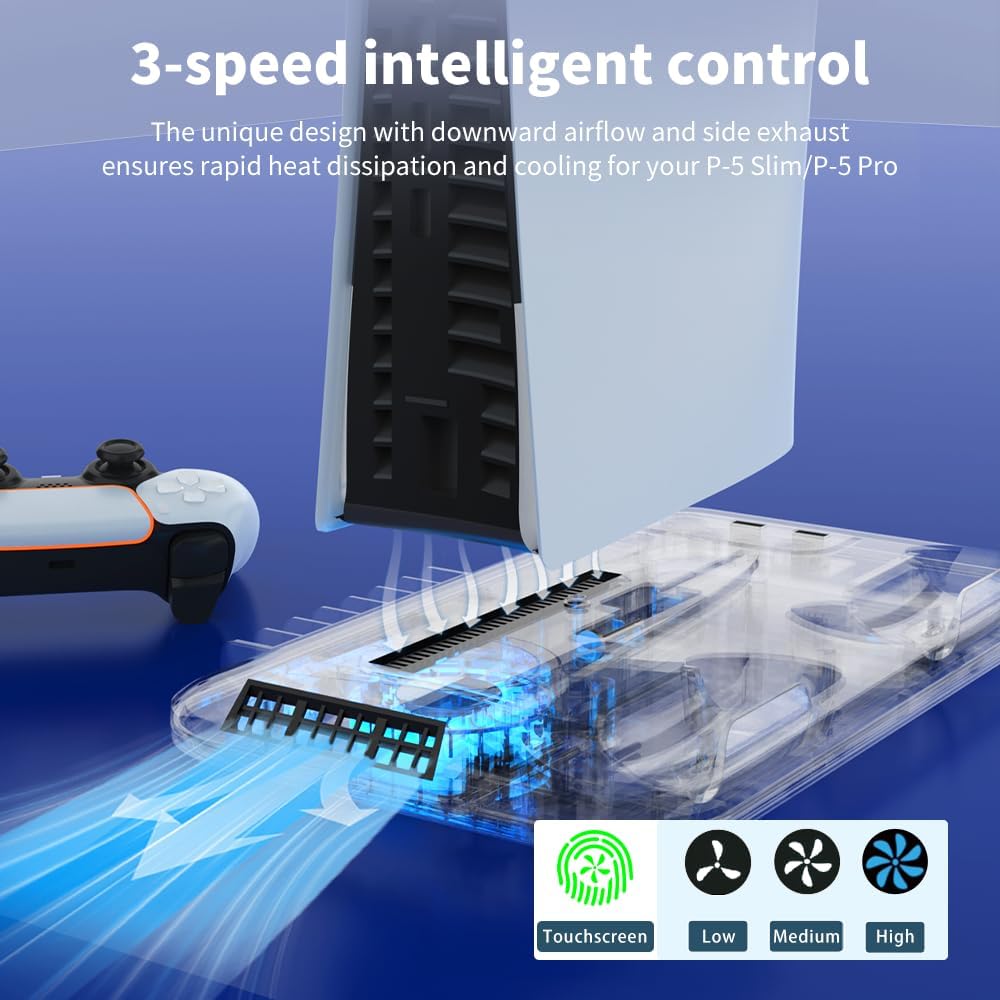
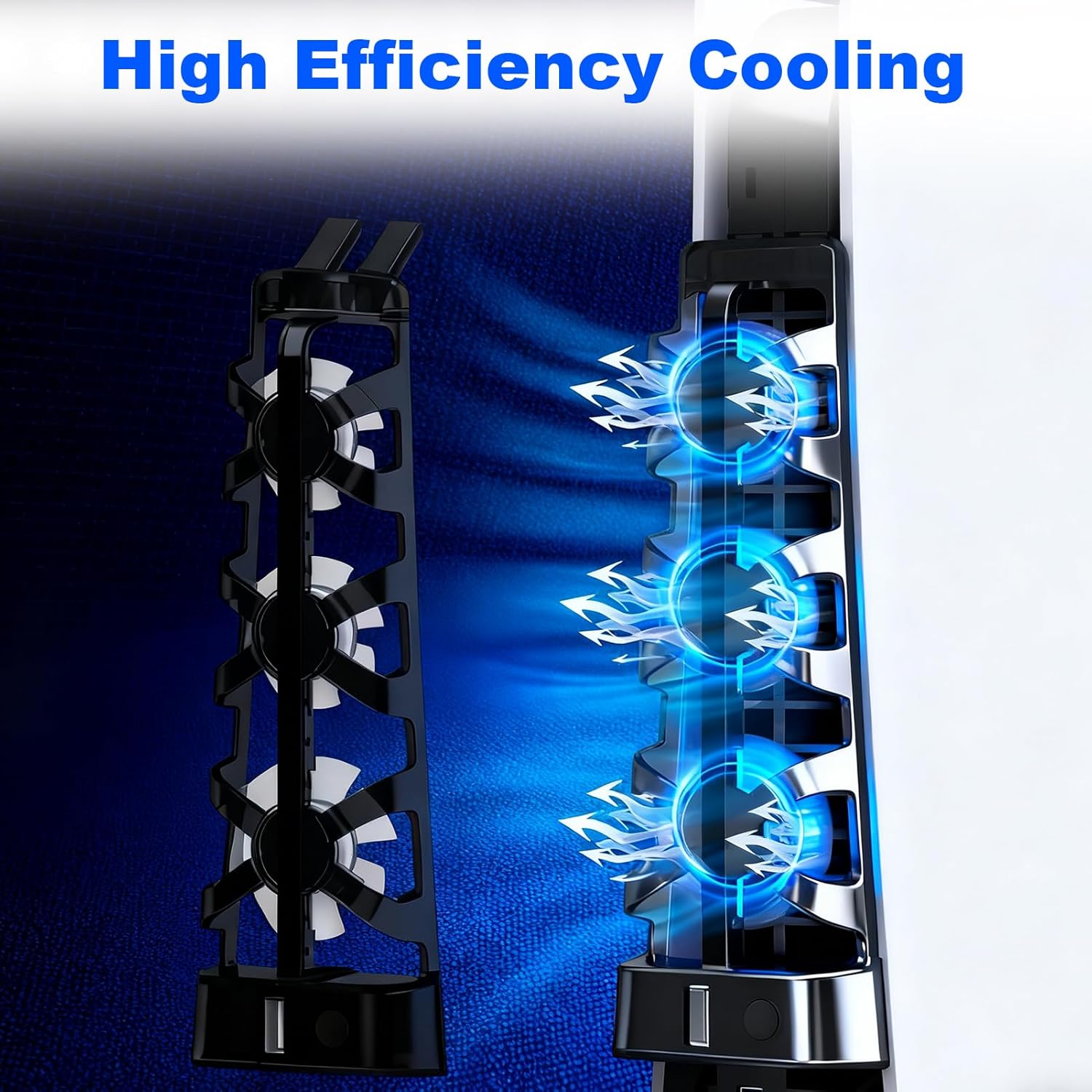
When comparing different cooling fan designs, focus on airflow direction, noise levels, and how they attach to the console. Clip on fans that block existing vents or rely on a single small fan can create turbulence rather than smooth airflow, which sometimes increases noise without improving temperatures. A better option is a stand cooling system that channels air along the console’s natural intake and exhaust paths, using multiple low noise fans to maintain stable temperatures during long gaming marathons.
Some premium cooling systems integrate dust filters, temperature sensors, and automatic fan speed control. These features help maintain consistent performance across a wide range of video games, from quiet indie titles to demanding action blockbusters that push the hardware hard. If you are planning a themed setup around a major franchise, pairing a high quality cooling station with a special edition bundle, such as those analysed in this article on Final Fantasy console bundles, can deliver both style and reliable thermal management.
How to interpret cooling accessory reviews
Not every glowing review tells the full story about cooling performance. Look for reviews that mention specific temperature drops, fan noise measured in decibels, and long term reliability after months of daily gaming sessions. A single short review that praises a great sleek design but ignores thermal results is less useful than a balanced review that lists both strengths and weaknesses.
Pay attention to how accessories behave under realistic conditions. A cooling fan that works well in a quiet office might sound loud in a small bedroom, especially when combined with the console’s own internal fan at high speed. When several reviews mention the same issue, such as vibration, rattling, or usb ports failing after a few weeks, treat that as a clear warning sign.
Finally, consider how a cooling station fits into your broader setup. If you already own multiple controllers, a dual controller charger built into the station can simplify cable management and free up wall sockets. For players who prefer wireless controllers and a wireless headset, a station with extra usb ports and a dedicated holder for a gaming headset keeps everything charged and organised between gaming sessions.
Power, charging, and controller focused cooling accessories
Controllers and charging gear might not seem like cooling priorities at first glance. In practice, a well designed controller charger or charging station reduces clutter, prevents cables from blocking vents, and keeps heat generating power bricks away from the console itself. When you line up controllers neatly on a stand with integrated cooling features, you create a safer and more efficient gaming environment.
Dual controller charging docks are especially useful for households that share a console. A dual controller station lets one pair of controllers charge while another pair is in use, which avoids last minute cable stretching across the room during an intense game. Many of these stations include a compact stand playstation style base, a holder for a media remote, and sometimes a small cooling fan that helps move warm air away from the console’s underside.
Wireless controllers and wireless headsets add another layer of heat management. Charging several devices from the console’s front usb ports can increase local heat and clutter, so a separate charging station with its own power supply is often a better choice. When reading product reviews, check whether the station supports fast charging without overheating batteries, and whether its sleek design leaves enough space for airflow around both controllers and the console.
Integrating headsets and media remotes into a cool setup
A gaming headset or wireless headset usually hangs near the console, yet many players overlook how this affects airflow. Placing a bulky headset directly on top of the console can partially block vents, especially on compact models with top mounted exhausts. A dedicated holder or stand game accessory for your headset keeps it accessible while leaving the console’s cooling system unobstructed.
Media remotes and extra controllers also benefit from thoughtful placement. A combined stand and holder that organises controllers, media remote, and game cases reduces the temptation to stack items on the console itself, which often traps heat. When you evaluate each accessory review, look for comments about stability, cable routing, and whether the design encourages good airflow habits in everyday use.
Households with children or guests should prioritise accessories that make tidy habits easy. A vertical stand with integrated holders for controllers and a gaming headset gives everyone a clear place to return gear after playing, which keeps vents clear without constant reminders. Over time, this simple organisation supports both cooling performance and the overall lifespan of your gaming console.
Placement, room setup, and safe long gaming habits
Even the best gaming console cooling accessories cannot compensate for poor placement. A console wedged into a closed cabinet, surrounded by other electronics, will overheat no matter how powerful the external cooling fan claims to be. Start by giving the console at least several centimetres of clearance on every side, then use a stand or wall mount to maintain that space consistently.
Room temperature and airflow matter just as much as accessories. Playing in a small room with no ventilation, direct sunlight, and several devices running at once will push any console’s cooling system to its limits, especially during long gaming sessions. In such cases, a stand cooling solution with multiple fans, combined with a wall mount or vertical stand that lifts the console away from carpets and soft furnishings, can make a noticeable difference.
Cable management is another underrated factor. Power bricks, extension leads, and tangled controller cables can block vents or trap warm air behind the console, undermining even the most advanced cooling system. Using a holder or stand game accessory to route cables neatly, while leaving usb ports accessible for a gaming headset or wireless headset, keeps both airflow and safety in good shape.
Balancing performance, noise, and parental control needs
Families often juggle performance, noise, and safety when setting up a console. A powerful cooling fan might keep temperatures low, but if it adds too much noise during quiet evenings, parents may be tempted to turn it off, which defeats the purpose. Choosing accessories with adjustable fan speeds and clear noise ratings helps you strike a balance that works for everyone in the household.
Parents who manage screen time and content restrictions can integrate cooling decisions into broader console rules. Placing the console on a visible stand or wall mount near the television, rather than hiding it in a cabinet, makes it easier to monitor both usage and airflow, while also simplifying access to parental control settings. For a step by step guide to those settings on every major console, this plain language resource on setting up parental controls on consoles is a practical companion to any hardware upgrade.
Long gaming sessions are not inherently dangerous for hardware if cooling is handled correctly. By combining a stable stand, a quiet cooling station, and tidy cable management, you allow the console’s internal cooling system to operate within its intended range even during demanding video games. This approach protects your investment while also creating a more comfortable and organised gaming space for everyone who uses it.
How to shop smart for the best gaming console cooling accessories
Shopping for cooling gear can feel overwhelming when every product claims pro level performance. Start by listing your actual needs, such as a vertical stand, a dual controller charger, or a wall mount, then match accessories to your console model and room layout. This method keeps you focused on practical benefits rather than flashy marketing terms.
Next, evaluate build quality and safety features. A great stand or cooling station should use fire resistant materials, stable bases, and secure mounts that hold the console firmly even when you swap discs or plug in controllers. Look for accessories with clear electrical certifications, well shielded power supplies, and usb ports that deliver consistent power without overheating connected devices like a gaming headset or wireless headset.
Finally, read a wide range of reviews before committing. Prioritise detailed review posts that include temperature measurements, noise comparisons, and long term impressions over short comments that only mention fast delivery or low sale prices. When several independent reviews praise the same accessory for its sleek design, easy install process, and reliable cooling performance across many video games, you can buy with far greater confidence.
Building a future proof cooling and accessory ecosystem
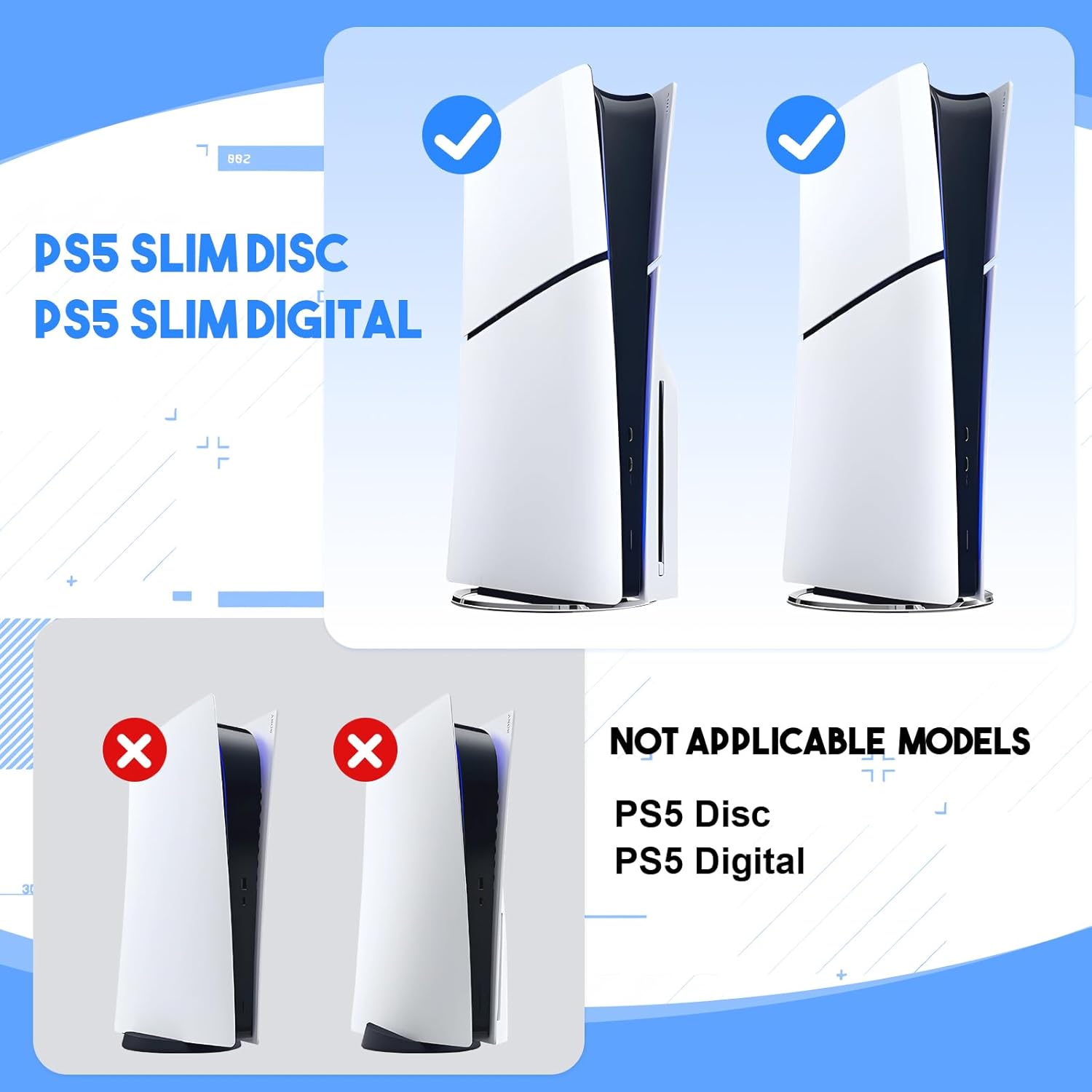
Console generations change, but good cooling habits remain constant. Choosing modular gaming accessories, such as stands with adjustable brackets or universal headset holders, makes it easier to adapt when you upgrade from one console to another. A flexible stand game setup that supports different console sizes and controller types will serve you longer than a model locked to a single device.
Think of your cooling gear as part of a broader ecosystem that includes controllers, media remote, gaming headset, and storage for physical games. When these elements work together, you spend less time untangling cables or hunting for accessories and more time actually playing. Over the lifespan of a console, that convenience and protection often matter more than shaving a few euros off the initial purchase price.
In the end, the best gaming console cooling accessories are the ones you use consistently. A simple vertical stand with a quiet cooling fan, a reliable dual controller charging station, and a tidy wall mount can transform both performance and everyday comfort. By approaching each purchase with a journalist’s eye for evidence and a player’s sense of practicality, you build a setup that keeps your console cool, your controllers ready, and your gaming sessions smooth for years.
Key figures on console heat, cooling, and reliability
To make this advice more concrete, the figures below summarise results from independent hardware testing and repair statistics. Where possible, they reference specific labs or outlets and describe how measurements were taken.
- Internal temperatures under load: In stress tests by GamersNexus and Digital Foundry, modern consoles such as PlayStation 5 and Xbox Series X reached internal APU temperatures between roughly 65 and 75 °C during demanding video games, measured with embedded sensors while running 30 to 60 minute loops of titles like Control and Forza Horizon 5. These values sit within manufacturer design limits but leave little margin if vents are blocked or room temperatures rise.
- Effect of external cooling stands: Benchmarks from accessory reviews on sites such as Tom’s Hardware and IGN show that well designed vertical cooling stands typically reduce measured surface temperatures around console exhaust vents by about 5 to 10 °C. Tests usually involve placing thermocouples near rear vents, logging readings at 5 minute intervals over a 45 minute gaming session, and comparing results with and without the stand’s fans enabled.
- Noise levels with add on fans: In controlled sound tests, reviewers often place a calibrated sound level meter 50 cm in front of the console in a room with a 30 to 32 dB ambient noise floor. Internal console fans alone commonly register around 35 to 42 dB under moderate load, while high quality external cooling stations add roughly 2 to 5 dB at maximum speed. Cheaper clip on fans can spike above 50 dB, which many players perceive as clearly intrusive during quiet scenes.
- Heat related repair statistics: Consumer electronics repair data published by large service chains and warranty providers, including summaries from SquareTrade and regional repair networks, indicate that heat related issues—such as fan failures, dust clogged heatsinks, and thermal shutdown faults—account for a substantial share of out of warranty console repairs. Typical invoices for these problems often exceed 25 % of the original console price once labour and shipping are included.
- Impact of placement on shutdowns: Reader surveys by gaming magazines and tech sites, including polls run by PCMag and Game Informer, report that players who use vertical stands or wall mounts with clear airflow paths experience fewer unexpected shutdowns than those who place consoles inside closed cabinets or on soft surfaces like carpets. While self reported and not strictly scientific, these surveys consistently highlight poor placement as a major contributor to overheating complaints.
- Additional power draw from cooling accessories: Energy monitoring tests using plug in power meters, such as the Kill A Watt or similar devices, show that external cooling fans and stations typically add between about 3 and 10 watts of power draw when running at full speed. By comparison, many home consoles consume roughly 150 to 220 watts under heavy gaming loads, so the extra demand from cooling gear is modest in most households.
Example cooling accessories compared (typical prices and test results)
| Accessory type |
Example product |
Platform |
Measured temp change* |
Noise level** |
Approx. price tier |
| Vertical stand with dual charger and fans |
OIVO Cooling Stand with Dual Controller Charger |
PlayStation 5 |
−6 to −8 °C at rear exhaust |
38–42 dB at 0.5 m |
Budget–mid range |
| Wall mount bracket with airflow gaps |
HIDEit 4K Series X Wall Mount |
Xbox Series X |
0 to −3 °C (improved ambient airflow) |
No active noise |
Mid range |
| Compact cooling station with USB hub |
MENEEA Cooling Fan Dock |
Nintendo Switch (docked) |
−4 to −6 °C around dock vents |
35–39 dB at 0.5 m |
Budget |
*Temperature changes are based on representative third party tests using thermocouples near exhaust vents during 30 to 45 minute gaming sessions. **Noise levels measured in a quiet room with a sound meter positioned 0.5 m from the console front.
“Most overheating cases we see could have been avoided with better placement and a simple stand or wall mount. Accessories are cheap compared with replacing a console that has cooked itself in a closed cabinet.” — Elena Ruiz, senior technician at a European console repair centre