Steam Deck, Steam Deck OLED and ROG Ally versus Nintendo Switch family
Valve’s Steam Deck changed handheld gaming by bringing a full PC style Steam library into a portable device. The original Steam Deck focuses on balanced performance and battery life, while the newer Steam Deck OLED model improves the display, colour accuracy and perceived motion clarity without radically changing the core gaming experience. For players who already own many Steam games, these deck models are often the best portable gaming consoles because they minimise friction between desktop and handheld play.
By contrast, the Nintendo Switch and the smaller Switch Lite prioritise versatility and family friendly games over raw performance, and the hybrid design lets you play on a television or in handheld mode with a single gaming console. The Switch Lite removes docked play but offers a lighter handheld console that fits smaller hands well, which makes it a strong best handheld candidate for commuters and younger players who value comfort. If you want a deeper comparison of top handheld gaming options across brands, a detailed guide that aggregates multiple expert reviews can help you weigh the trade offs more precisely.
Asus entered this segment with the Asus ROG Ally, a Windows based gaming handheld that uses an AMD Ryzen processor to chase higher frame rates in demanding PC games. The ROG Ally and similar ROG Xbox focused concepts lean on Xbox Game Pass integration, so you can stream or install many Xbox games directly on the device and treat it as a portable Xbox ally for your living room setup. In practice, the ROG Ally and the Steam Deck OLED serve different audiences, because the Ally behaves like a small Windows laptop for best gaming flexibility while the Deck family behaves like a console first handheld.
Display technology, OLED advantages and why screen quality shapes immersion
Screen quality defines how every game looks and feels on the best portable gaming consoles, so you should treat the display as a primary decision factor rather than an afterthought. An OLED display, such as the panel used in the Steam Deck OLED or the Nintendo Switch OLED model, delivers deeper blacks and higher contrast than typical LCD screens, which makes dark games and colourful platformers look more vivid. When you compare OLED handhelds with non OLED handhelds side by side, the difference in perceived image quality and motion clarity becomes obvious even to casual players.
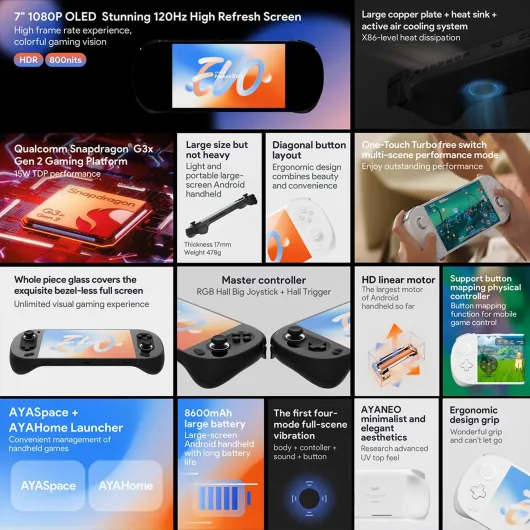
Resolution and refresh rate also influence gaming performance and battery life, because driving more pixels or higher frame rates demands more power from the device. A Windows based gaming handheld like the Asus ROG Ally or the Lenovo Legion Go often targets higher resolutions, which can look razor sharp but may reduce battery life if you do not tune settings for each game. By contrast, the Nintendo Switch, the Switch Lite and the original Steam Deck use more modest resolutions that balance display sharpness with efficient play sessions away from a charger.
Content creators and retro enthusiasts sometimes care about video output as much as the built in display, especially when they want to capture footage from older handhelds or a modern gaming handheld for streaming. If you are interested in this side of portable gaming, a technical tutorial that explains how to capture handheld output shows how display signals travel from device to screen. Understanding these basics will help you evaluate whether a given handheld console, from a Retroid Pocket to a ROG Ally, fits both your play habits and your content creation ambitions.
Battery life, thermals and real world performance on the go
Battery life remains the hardest compromise for the best portable gaming consoles, because higher performance usually means more heat and shorter unplugged sessions. A powerful Windows handheld like the Asus ROG Ally or the Lenovo Legion Go can run demanding PC games very well, but you may see battery life drop below two hours if you push frame rates and brightness to the maximum. Less demanding handhelds such as the Switch Lite or a compact Retroid Pocket device often last longer on a charge, especially when you play retro games or lighter indie titles.
Thermal design also shapes how comfortable a gaming handheld feels during extended play, since hot exhaust vents or noisy fans can break immersion. The Steam Deck, the Steam Deck OLED and the ROG Ally all use custom cooling systems to keep AMD Ryzen processors within safe limits, but each deck or ally model distributes heat differently across the shell. Before you commit to a best handheld choice, try to hold the device while running a modern Xbox game or a visually intense PC game, and pay attention to fan noise, surface temperatures and any throttling that reduces performance.
Power management settings give you more control over this balance between performance and battery life, especially on Windows based handhelds and on the Steam Deck family. You can often cap frame rates, reduce resolution or limit power draw per game, which transforms a one hour session into a two or three hour session without ruining the experience. Players who travel frequently should treat these tools as part of the device, because smart tuning turns a good gaming console into one of the best gaming companions for long train rides or flights.
Game libraries, ecosystems and the role of Xbox Game Pass
When people compare the best portable gaming consoles, they often underestimate how much ecosystems and game libraries will shape long term satisfaction. A Nintendo Switch or Switch Lite gives you access to Nintendo exclusives and a curated eShop, while a Steam Deck or Steam Deck OLED taps into the vast Steam catalogue of PC games that you may already own. A Windows based gaming handheld such as the Asus ROG Ally or Lenovo Legion Go extends this further by supporting multiple launchers, including Steam, Epic Games Store and other PC platforms.
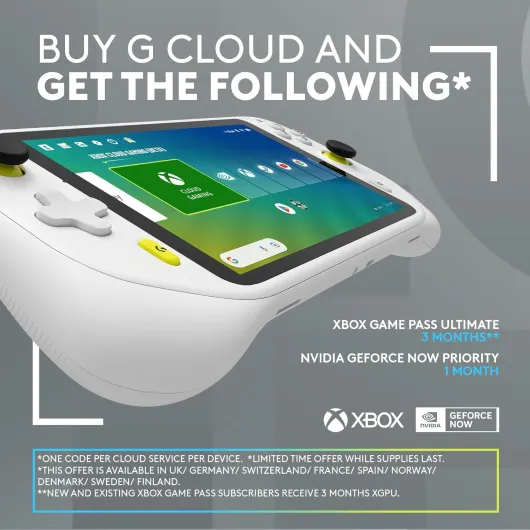
Xbox Game Pass has become a central pillar for many handheld gaming setups, because it lets you install or stream a rotating library of Xbox games on compatible devices. On a ROG Ally or another Windows handheld, you can run the full Game Pass for PC client and treat the device as a portable Xbox ally that complements a living room console. Some players even refer to this combination as a ROG Xbox style experience, where the same Xbox game saves travel between a home Xbox console, a Windows handheld and the cloud.
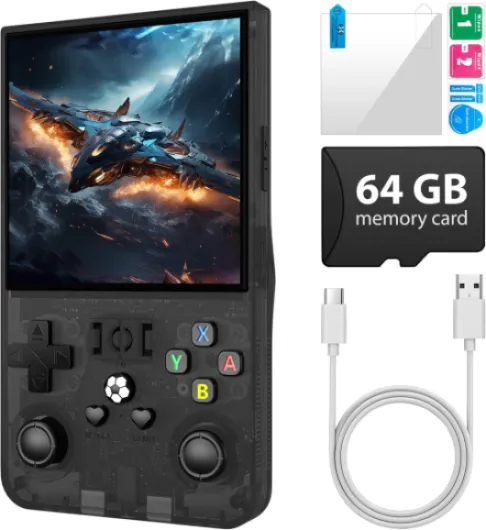
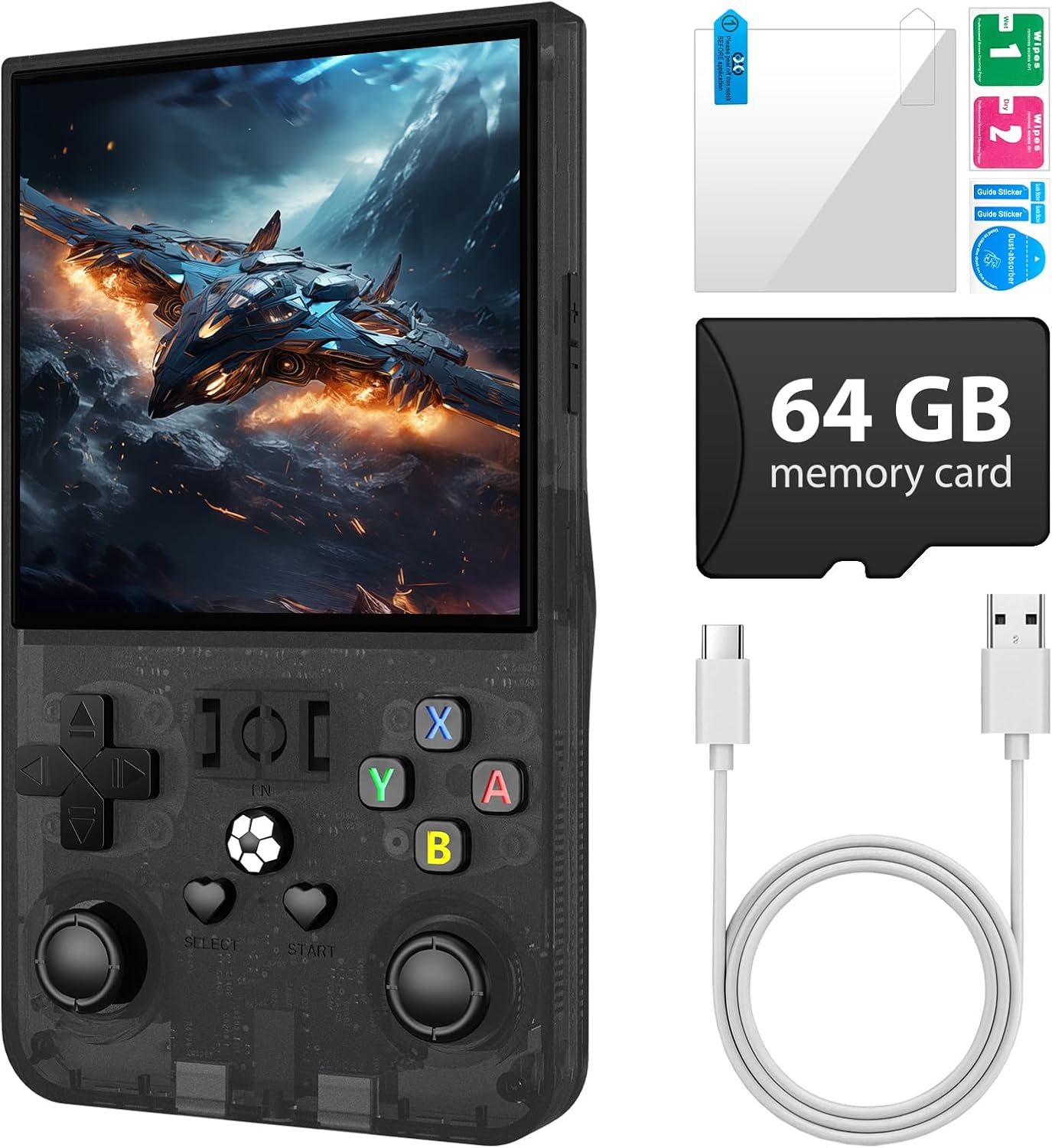
Retro focused handhelds such as the Retroid Pocket family play a different role, because they target classic games and emulation rather than modern AAA releases. These smaller handhelds often cost less than a major gaming console and can be the best handheld choice for players who value nostalgia and compact design over cutting edge performance. If you already own a home console such as a Wii U or an Xbox, a detailed hardware review that covers the Wii U premium pack can help you understand how portable and living room systems complement each other across generations.
Form factors, ergonomics and which handheld suits which player
Physical design separates the best portable gaming consoles from the rest, because comfort and portability vary widely between models. The Nintendo Switch and Steam Deck families lean toward larger shells with substantial grips, which suit players who mainly use their handheld console at home or in a backpack. Smaller devices such as the Switch Lite or Retroid Pocket models slip more easily into a jacket pocket, but their compact controls may not suit every hand size.
Windows based handhelds like the Asus ROG Ally and Lenovo Legion Go push ergonomics in a more PC like direction, with offset sticks, rear paddles and sometimes detachable controllers. These designs aim to deliver best gaming control for complex PC games, but they also increase weight and can reduce one handed usability when you quickly pause or resume a game. When you test different handhelds, pay attention to button travel, stick tension and how the device rests on your wrists during a long play session, because these details affect both comfort and long term joint health.
Docking options add another layer of flexibility, since many modern handhelds can connect to a monitor or television and act like a small desktop. A Steam Deck, a ROG Ally or a similar gaming handheld can output to a large display, pair with a controller and run an Xbox game or PC game almost like a traditional console. This hybrid behaviour blurs the line between handheld gaming and living room gaming, and it explains why many players now treat a single high end handheld as both their primary gaming console and their travel friendly deck.
Price, value and how to match a handheld to your budget
Price tiers for the best portable gaming consoles now range from budget retro handhelds to premium Windows devices that rival laptops. Entry level handhelds such as certain Retroid Pocket models or the Switch Lite offer excellent value for casual gaming, especially if you focus on indie games, classic titles and shorter play sessions. Mid range options like the base Nintendo Switch or the original Steam Deck balance cost, performance and battery life in a way that suits most players who want a single do everything gaming console.
At the top end, devices such as the Steam Deck OLED, the Asus ROG Ally and the Lenovo Legion Go command higher prices because they use advanced displays, faster AMD Ryzen processors and more storage. These premium handhelds shine when you want best gaming performance in modern titles, when you rely heavily on Xbox Game Pass or when you plan to use the device as a small Windows PC for work and play. Before you spend this kind of money, list the specific games you want to play, estimate how often you will use the handheld away from home and decide whether features like an OLED display or a deck OLED upgrade truly justify the extra cost.
Resale value and ecosystem lock in also influence long term cost, since a Nintendo Switch or a Steam Deck may hold value differently from a niche Windows handheld. If you expect to upgrade often, choosing a popular gaming handheld with a strong community and accessory market can reduce total cost of ownership over the device life. In every case, the best handheld for you is the one that fits your budget, your favourite games and your daily routine well enough that you actually play it regularly rather than leaving it on a shelf.
Key figures about portable gaming consoles
- Market analysts from firms such as Newzoo report that handheld and hybrid consoles, led by the Nintendo Switch family, account for a significant share of global console gaming revenue, highlighting how portable play has become a mainstream habit rather than a niche.
- Valve has stated that a large majority of Steam Deck owners use the device daily or several times per week, which suggests that PC oriented handhelds are not just experimental gadgets but practical gaming machines for sustained use.
- Battery life tests from multiple hardware review outlets show that demanding games can reduce modern Windows handhelds to around 1.5 to 2 hours of unplugged play, while less intensive indie titles on devices like the Switch Lite can stretch to 5 hours or more under similar conditions.
- Surveys of Game Pass subscribers indicate that a growing portion of Xbox Game Pass usage now occurs on portable devices, including Windows handhelds and cloud streaming clients, underlining the strategic importance of handheld gaming for platform holders.