Windows, Steam Deck, and ecosystem choices for handhelds
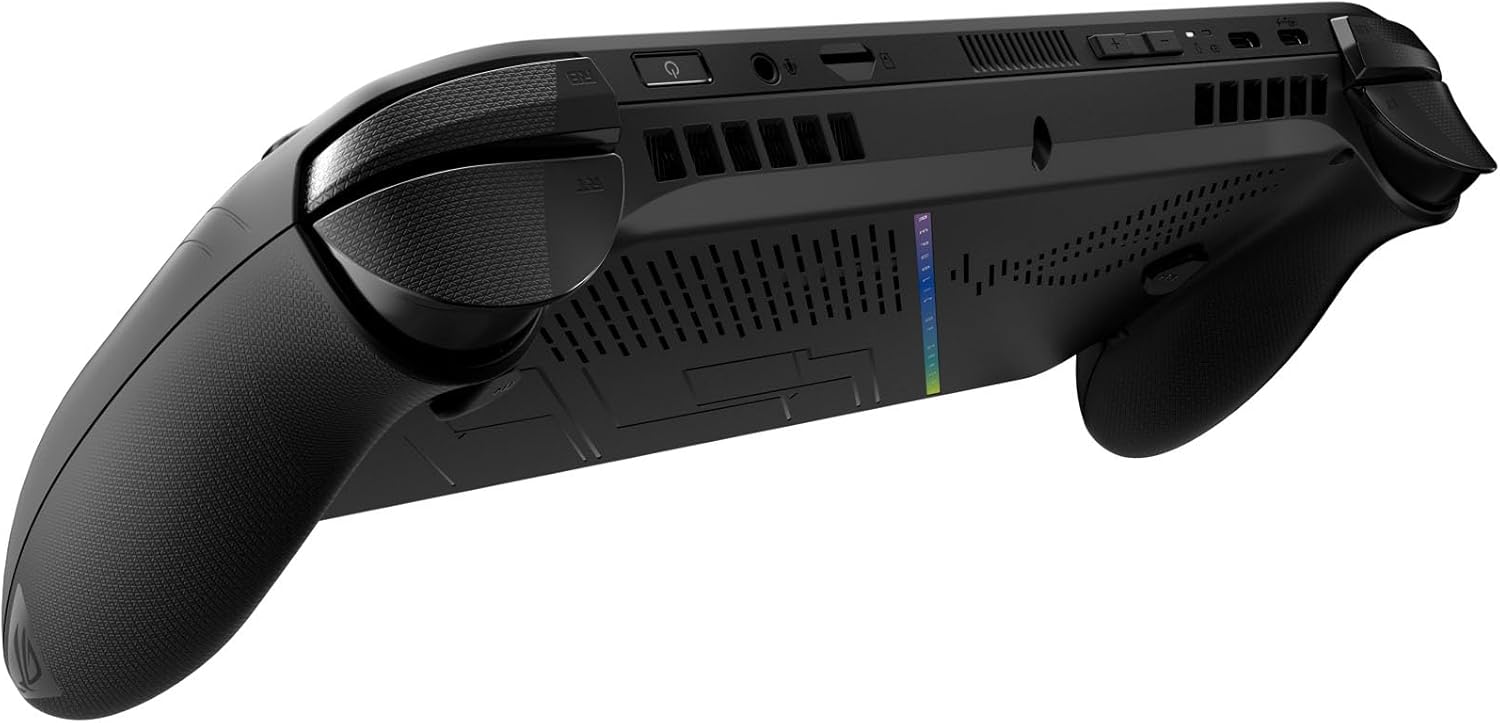
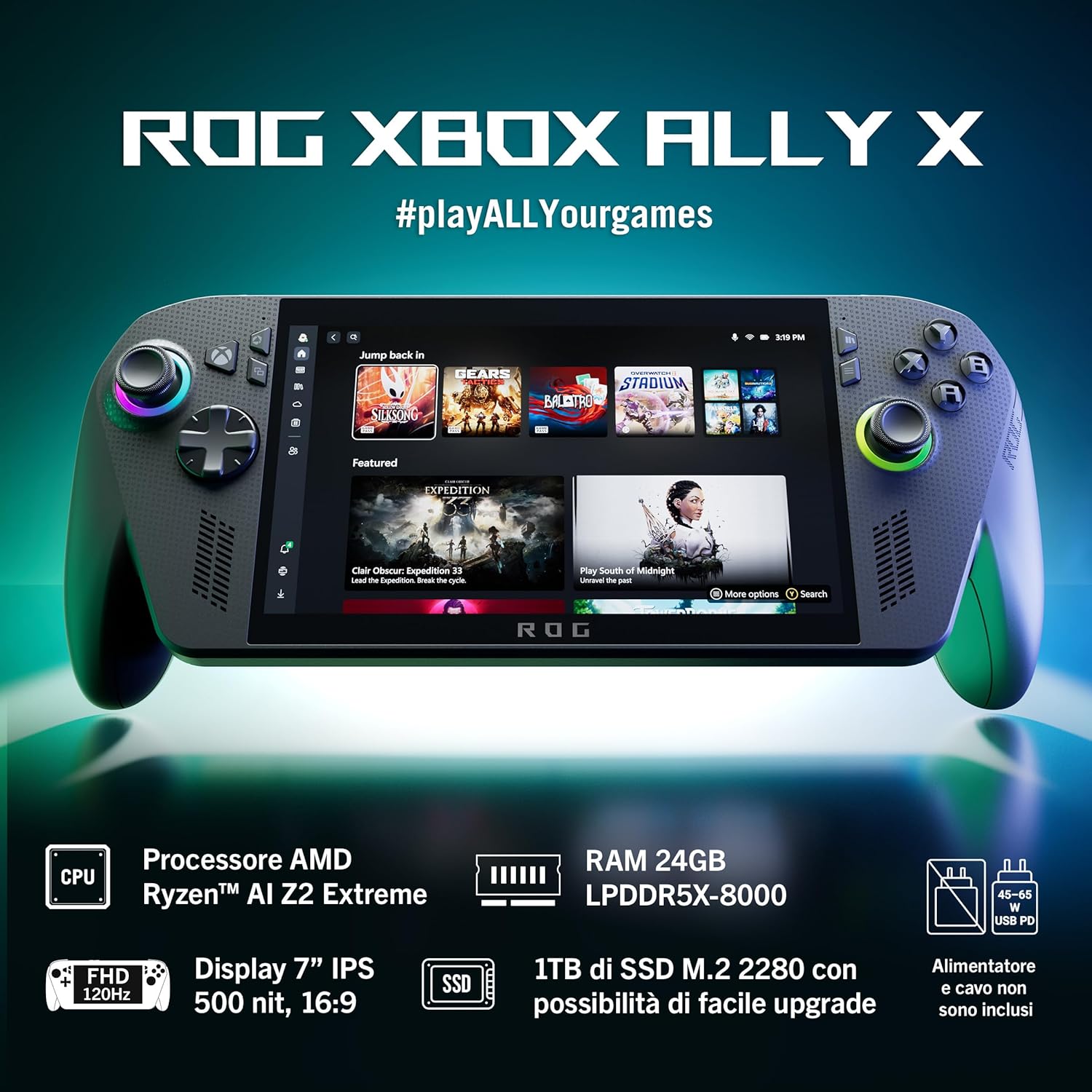
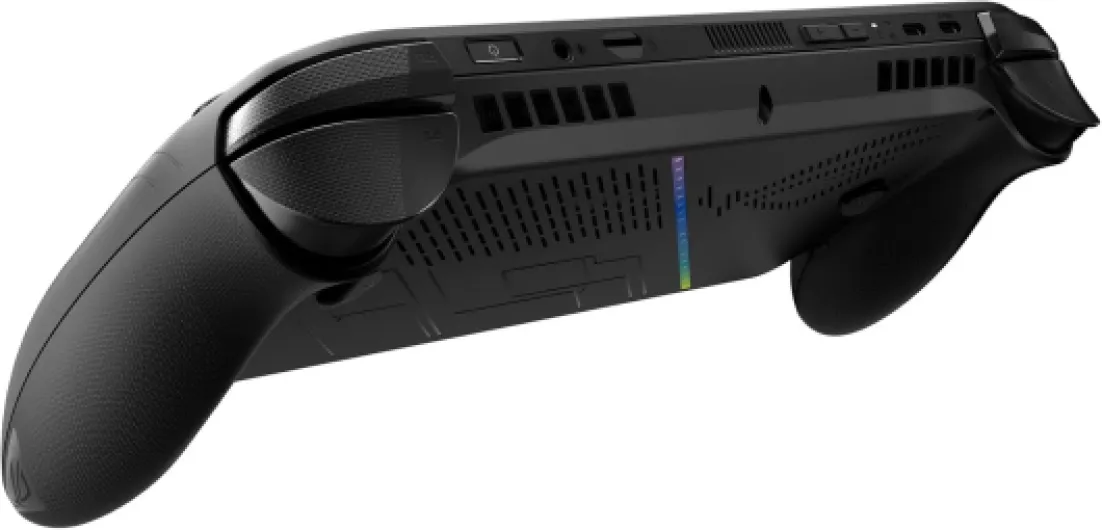
Operating systems define how flexible the best handheld gaming consoles can be. Windows based handhelds like the Asus ROG Ally and Lenovo Legion Go offer broad compatibility with PC games, launchers, and productivity apps. By contrast, the Steam Deck focuses on the Steam ecosystem while still supporting many non Steam games through additional configuration.
A Windows gaming handheld behaves like a compact PC, which suits players who enjoy tweaking settings. You can install Xbox Game Pass, Epic Games Store, and retro gaming emulators on the same handheld game machine, turning it into a versatile entertainment hub. This flexibility helps justify the higher price of some premium handhelds, especially when they double as travel friendly work devices.
The Steam Deck and Steam Deck OLED models emphasise simplicity and tight integration with the Steam library. Valve’s interface is optimised for a handheld screen, making it easy to browse games, adjust performance profiles, and manage deck OLED display settings. For many users, this curated experience feels more approachable than a full Windows desktop on a small inch display.
Connectivity also shapes the experience of the best handheld gaming consoles. If you plan to dock your gaming handheld to a TV or monitor, you may also need the best HDMI switch for your gaming console setup. This allows quick switching between a Steam Deck, an Xbox console, and perhaps a Windows rog ally handheld without constantly swapping cables.
Screen technologies, ergonomics, and comfort in gaming handhelds
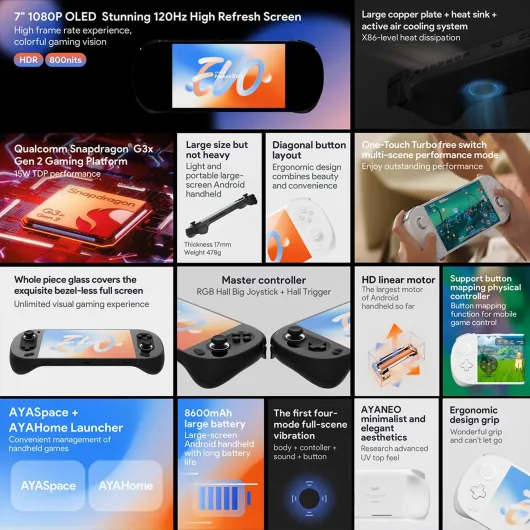
Screen technology has become a defining factor for the best handheld gaming consoles. An OLED screen delivers deep blacks and vivid colours, which makes both retro handheld titles and modern games look striking. Many players now seek a deck OLED or similar OLED handheld because the visual upgrade is immediately noticeable.
IPS panels still dominate many gaming handheld designs, particularly in the inch IPS category. A well tuned IPS display inch panel can offer excellent viewing angles, accurate colours, and sufficient brightness for outdoor handheld gaming. When comparing handhelds, examine not only resolution but also how the display handles motion blur and text clarity in both retro games and fast paced shooters.
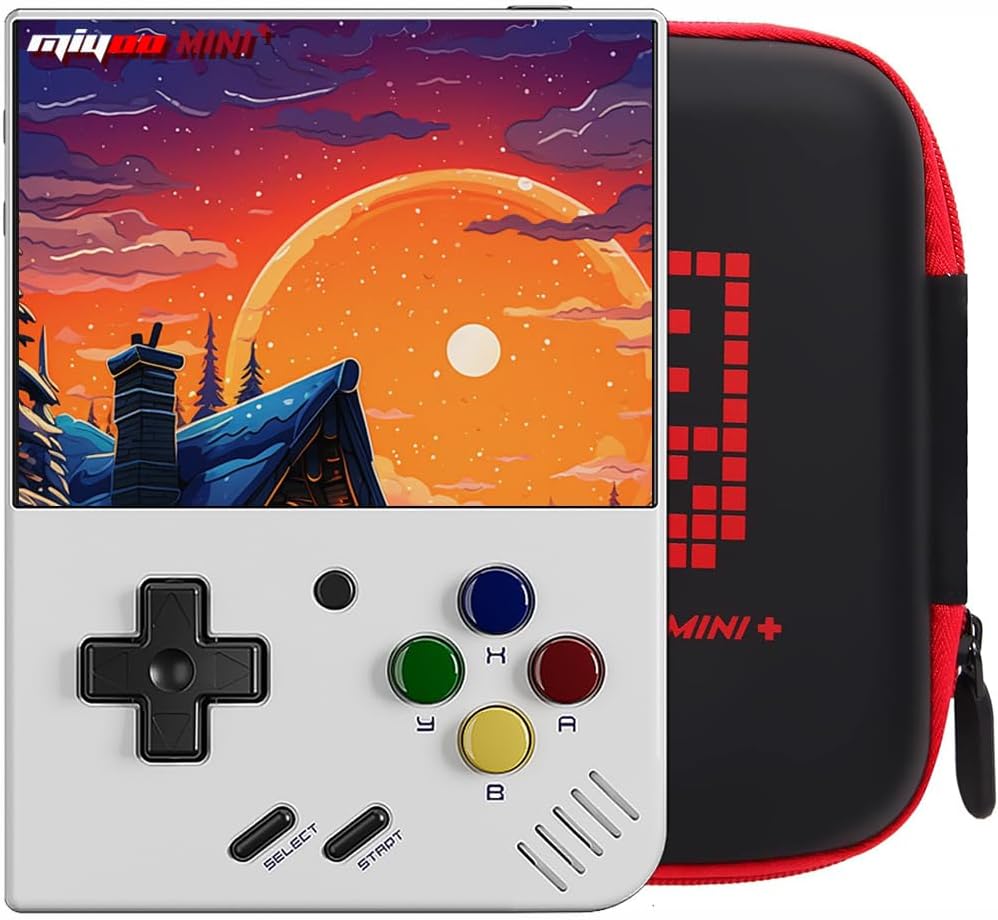
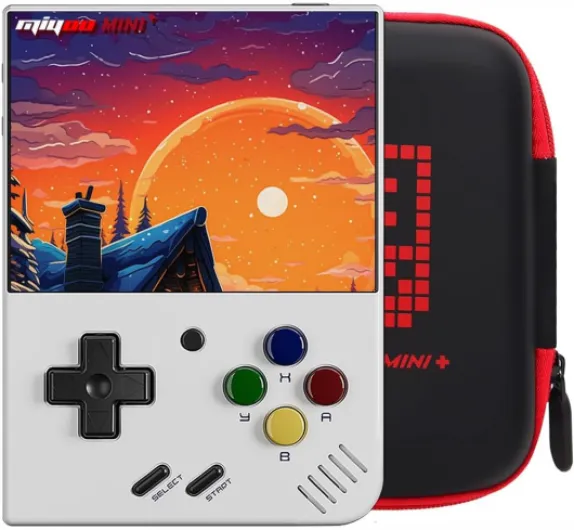
Ergonomics matter just as much as the screen on any handheld game device. Larger handhelds like the Lenovo Legion Go and Steam Deck provide substantial grips, while smaller retro handheld options such as the Miyoo Mini or Retroid Pocket prioritise portability. If you plan to play a game for several hours, test how the weight, button layout, and trigger feel in your hands.
Comfort extends beyond the handheld itself into accessories that support longer gaming sessions. Racing fans who dock their handheld to a screen might enhance immersion with the right gloves for sim racing. Whether you are using a Steam Deck, an Asus ROG Ally, or another gaming handheld, pairing a quality display, ergonomic grips, and supportive accessories can transform the overall gaming experience.
Retro handhelds, nostalgia, and modern reinterpretations
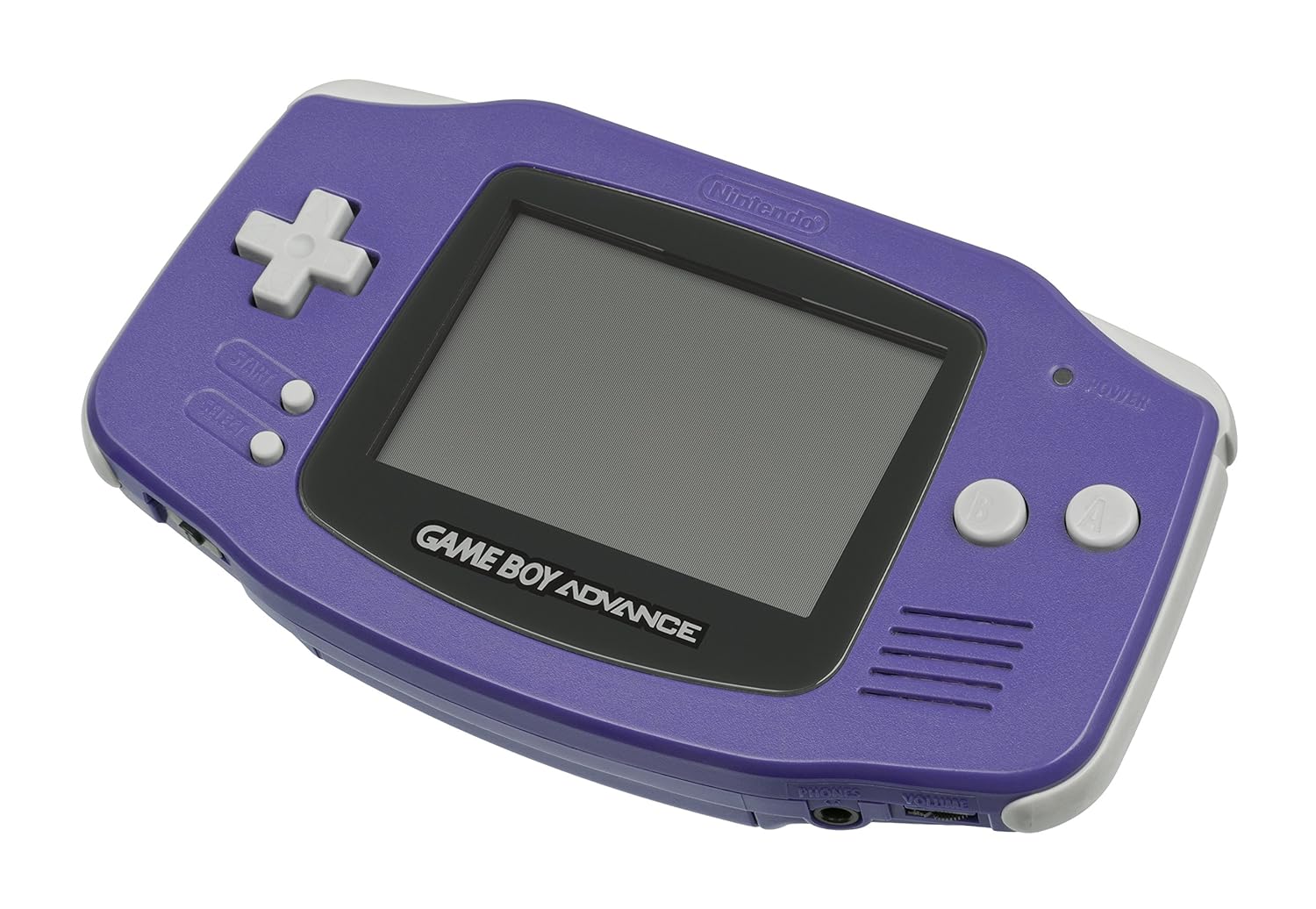
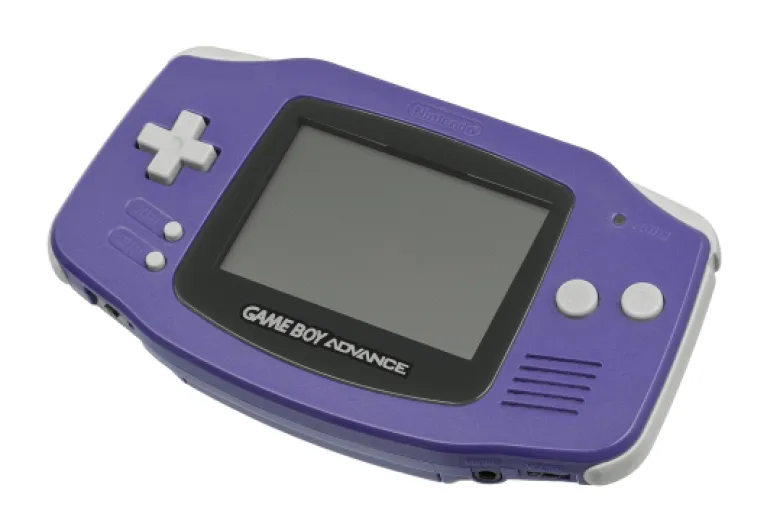
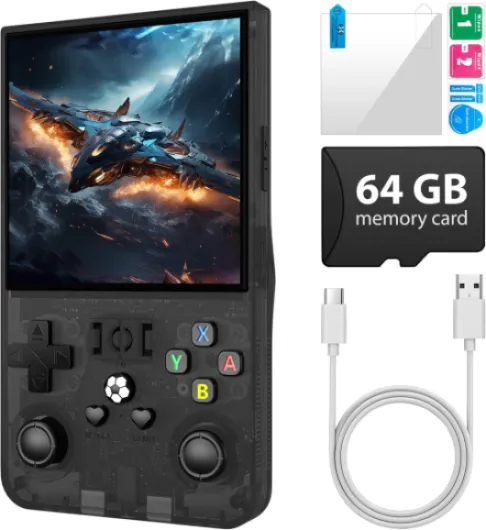
Retro handheld devices occupy a special place among the best handheld gaming consoles. Many players grew up with the Game Boy and now seek modern handhelds that recapture that feeling while adding better screens and longer battery life. Compact systems like the Miyoo Mini and Retroid Pocket families deliver this blend of nostalgia and practicality.
These retro gaming handhelds typically focus on classic games rather than the latest AAA releases. Their performance requirements are modest, so even a smaller mAh battery can provide impressive battery life for hours of retro games. However, display quality still matters, and a sharp inch IPS or similar display inch panel can make pixel art and old school fonts look beautifully crisp.
Designers of retro handheld systems often pay homage to the original Game Boy while refining ergonomics. Curved edges, improved d pads, and responsive buttons help each handheld game device feel more comfortable than many vintage handhelds. For enthusiasts, owning several retro handhelds allows them to enjoy different form factors, colours, and screen sizes depending on the game.
Modern hybrid devices blur the line between retro handheld and full gaming handheld. Some Windows based handhelds and the Steam Deck can emulate classic consoles while also running contemporary PC games. This versatility means a single handheld can handle retro gaming, indie games, and demanding 3D titles, making it one of the best handheld gaming consoles for players who value breadth over strict authenticity.
Battery life, thermals, and real world performance
Battery life remains a central concern when comparing the best handheld gaming consoles. A large mAh battery helps, but efficiency, screen brightness, and performance settings ultimately determine how long a handheld lasts. Players must often balance maximum performance with acceptable battery life, especially on Windows handhelds like the Asus ROG Ally or Lenovo Legion Go.
Manufacturers now include performance profiles that let you tune power draw per game. On a Steam Deck or rog ally style device, you can cap frame rates, lower resolution, or adjust thermal limits to extend battery life without sacrificing too much responsiveness. This flexibility ensures that a single handheld game console can handle both quick sessions and extended travel days.
Thermal management is equally important for sustained gaming performance. A well designed cooling system keeps the handheld comfortable to hold while preventing performance throttling during demanding games. When evaluating a gaming handheld, consider fan noise, surface temperatures, and how the device behaves after an hour of continuous gaming.
Real world testing across different games provides the clearest picture of a handheld’s capabilities. Try a mix of retro games, indie titles, and visually intense releases from platforms like Steam or Xbox Game Pass. In the middle of your research, it can also be helpful to read about local multiplayer games for friends and family, because these experiences highlight how performance, screen quality, and battery life affect shared gaming sessions on handhelds.
Ecosystems, pricing, and choosing the right handheld for you
Price and ecosystem together shape the value of the best handheld gaming consoles. Premium devices like the Asus ROG Ally, Lenovo Legion Go, and Steam Deck OLED command higher prices but deliver strong performance, refined screens, and robust software support. More affordable retro handheld options such as the Miyoo Mini or Retroid Pocket focus on classic games and lower power consumption.
When comparing price points, consider not only the handheld itself but also the cost of games. A Steam Deck integrates tightly with existing Steam libraries, while a Windows gaming handheld can access Xbox Game Pass, Epic, and other stores. Retro handhelds often rely on legally obtained backups of older games, which appeals to enthusiasts who already own extensive physical collections.
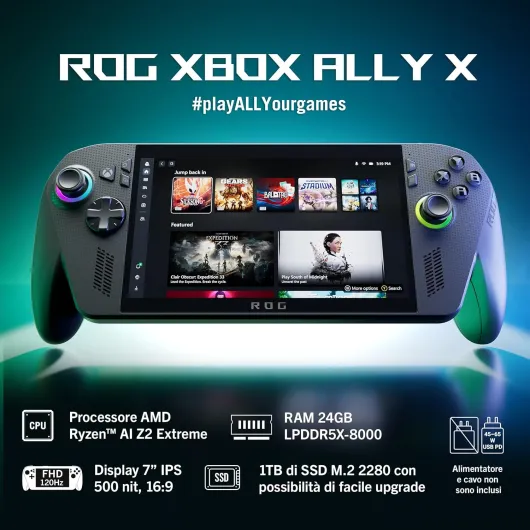
Ecosystem features like cloud saves, cross play, and controller support influence long term satisfaction. An Xbox ally style setup, where a Windows handheld pairs with Xbox services, can feel seamless for players invested in that platform. Similarly, a rog Xbox combination, using an Asus ROG Ally alongside a living room Xbox console, lets you move between couch and travel gaming without changing your core game library.
Ultimately, the best handheld gaming consoles are those that align with your habits and expectations. If you value cutting edge performance and a flexible Windows environment, a rog ally or similar ally handheld may suit you. If you prefer a curated interface and strong deck OLED visuals, the Steam Deck family offers a compelling balance of power, price, and portability for both modern and retro gaming.
Future trends in gaming handhelds and what to watch
The rapid evolution of the best handheld gaming consoles suggests even more capable devices ahead. Manufacturers continue to refine chips, cooling, and displays, pushing performance closer to that of compact gaming laptops. At the same time, interest in retro handheld systems remains strong, ensuring that nostalgia and innovation will coexist.
Display technology will likely remain a key battleground for gaming handheld makers. OLED panels, higher refresh rates, and improved inch IPS options will enhance both retro games and demanding modern titles. As more deck OLED and similar handhelds appear, players will expect deeper blacks, faster response times, and better outdoor visibility on every handheld screen.
Battery and efficiency improvements should gradually extend battery life without sacrificing performance. Smarter power management, more efficient chips, and optimised operating systems will help each handheld game console run longer on a given mAh battery. This will particularly benefit Windows handhelds, where background tasks and multitasking can currently reduce endurance.
Ecosystem integration will also deepen, especially around Xbox, Steam, and cloud gaming services. A future rog Xbox or Xbox ally style setup may blur the line between home console, cloud streaming, and portable gaming handheld even further. As these trends converge, players will enjoy handhelds that handle retro gaming, high end games, and everyday entertainment with equal ease, reinforcing their status among the best handheld gaming consoles available.
Key statistics about handheld gaming consoles
- Global handheld gaming hardware sales have grown steadily, driven by both modern and retro handheld devices.
- Average battery life for performance focused handhelds typically ranges between 2 and 8 hours depending on game settings.
- OLED and high quality IPS displays now represent a significant share of new gaming handheld releases.
- Windows based handhelds have expanded access to PC game libraries, including Steam and Xbox services.




![Switch Lite (Turquoise) Japanese Version Region Free Menu Multi Language [video game]](https://www.gaming-console-guru.com/storage/934095/conversions/51K2cLIBQqL._AC_SL1000_-medium.webp)