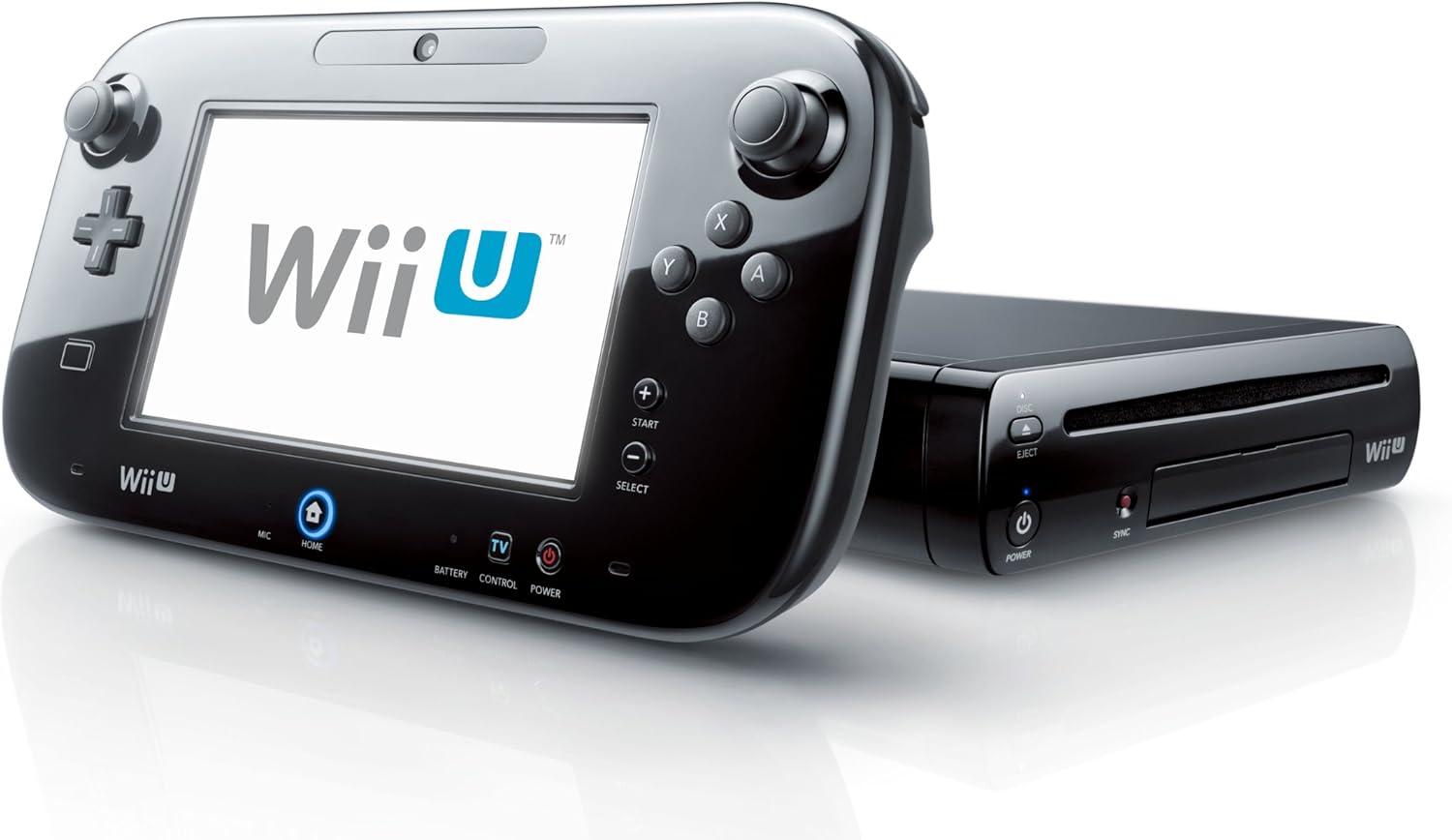
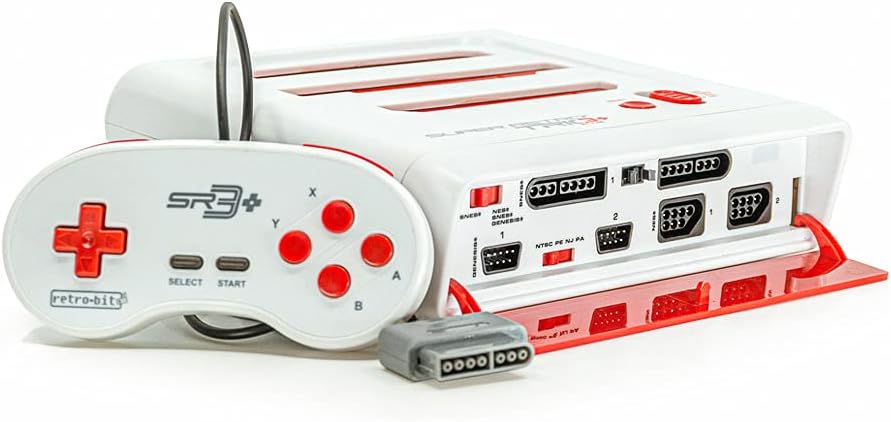
PlayStation and Xbox series systems as the backbone of home gaming
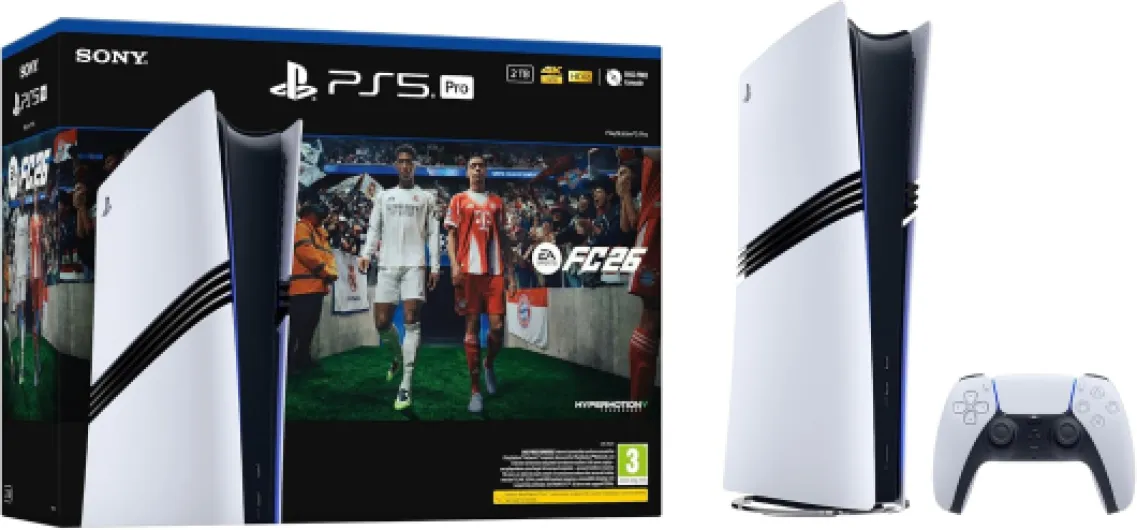
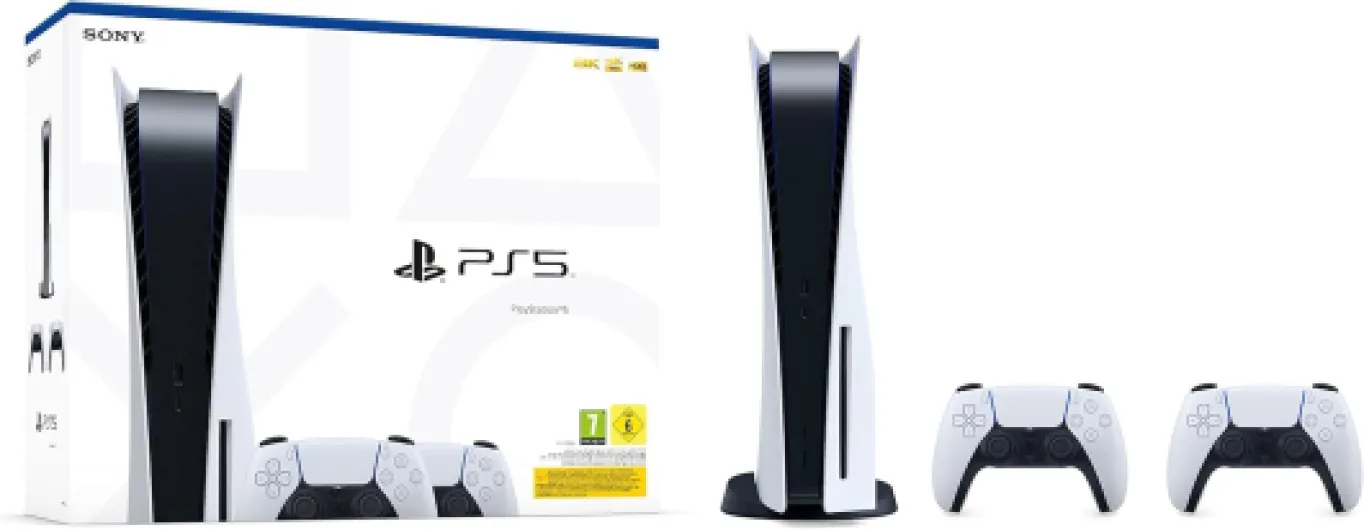
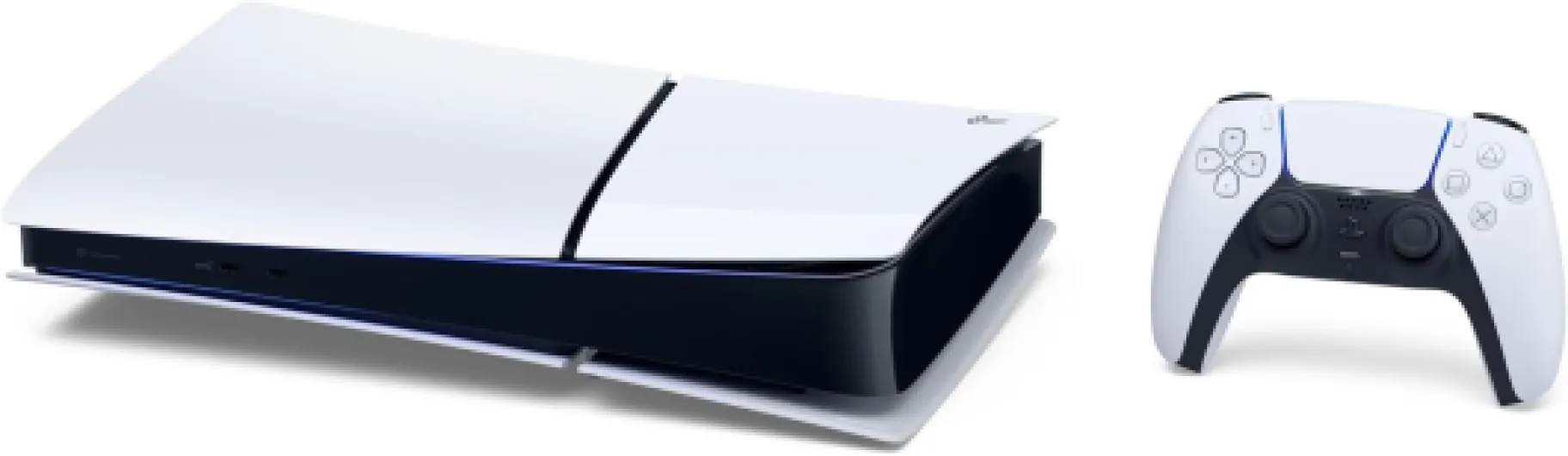
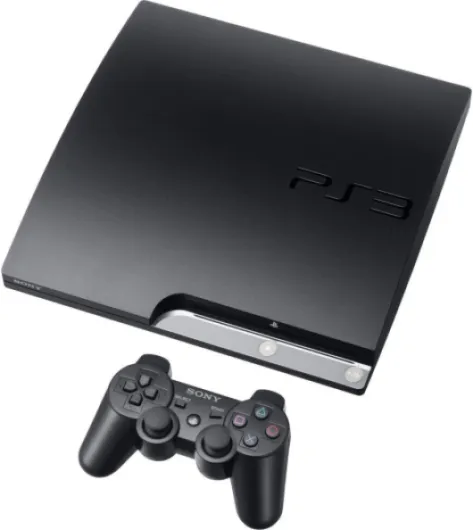
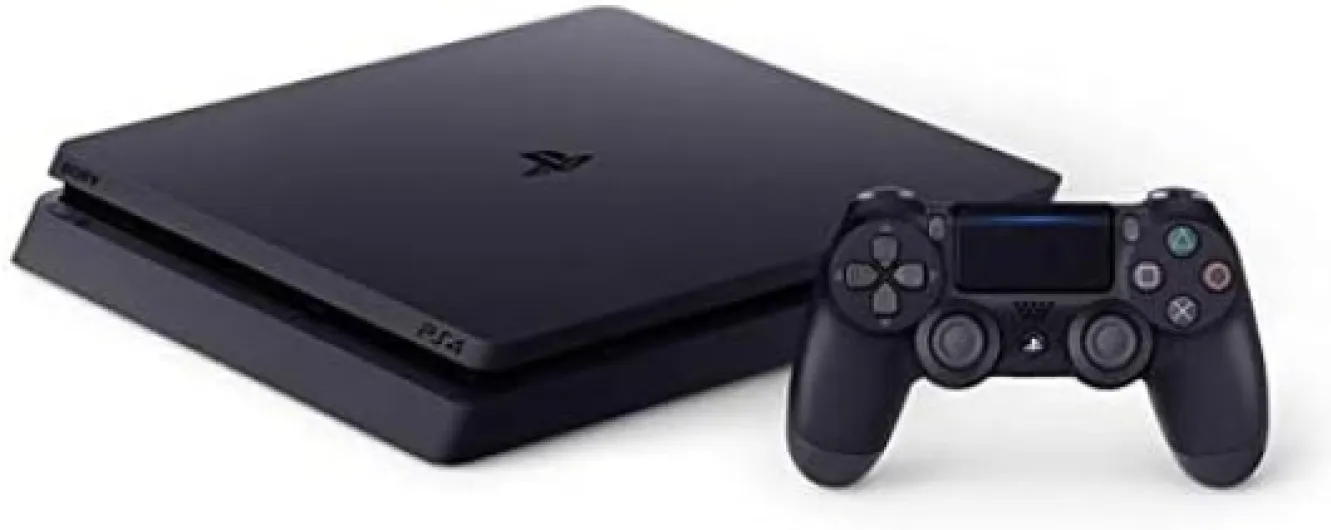
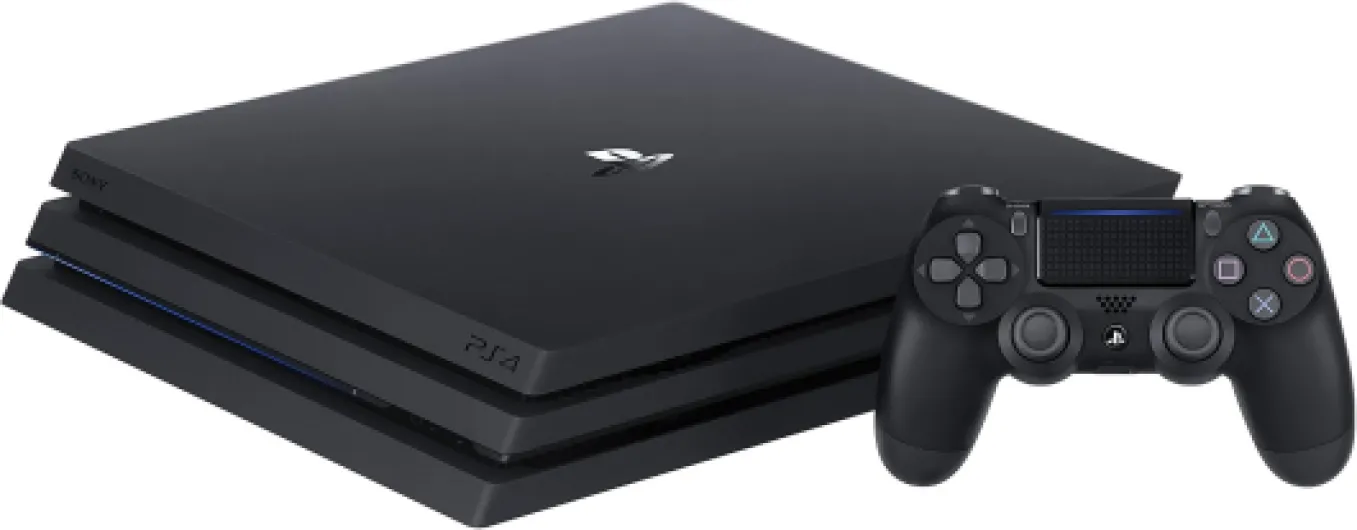
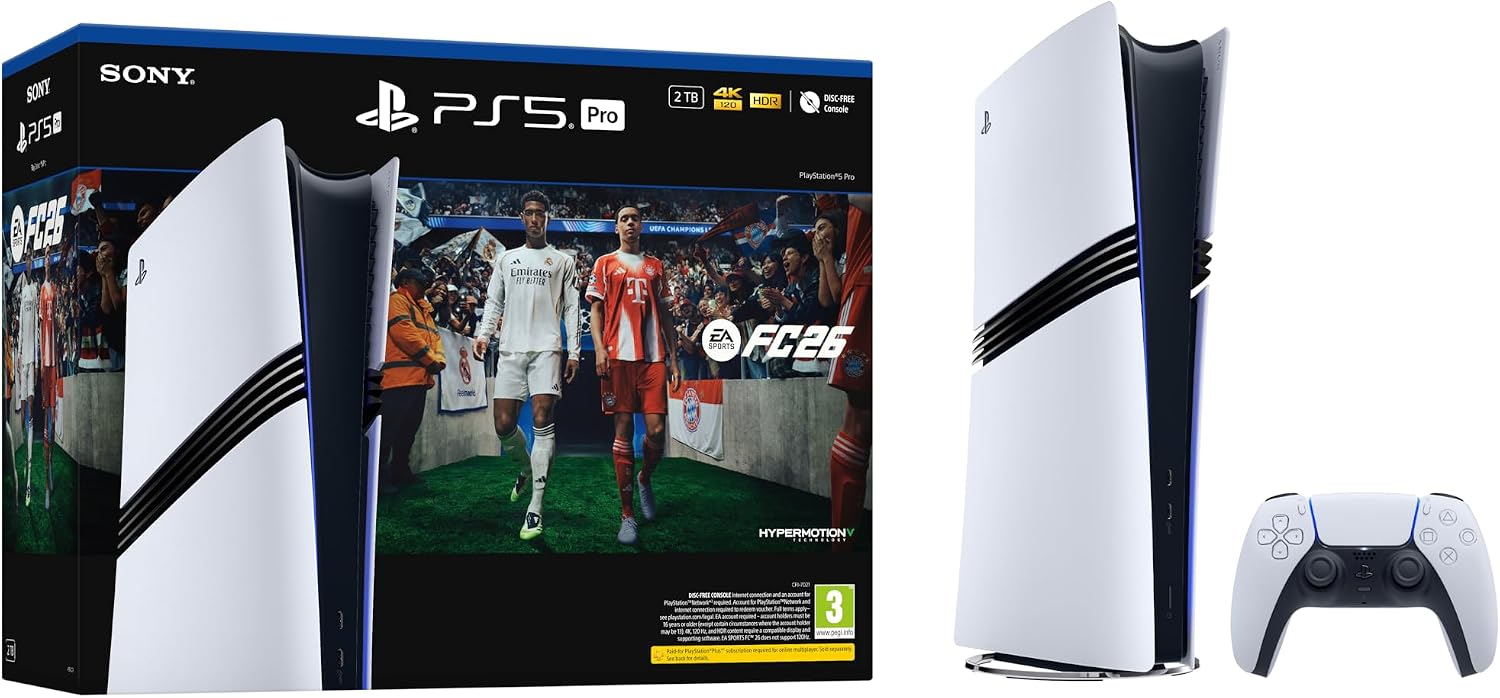
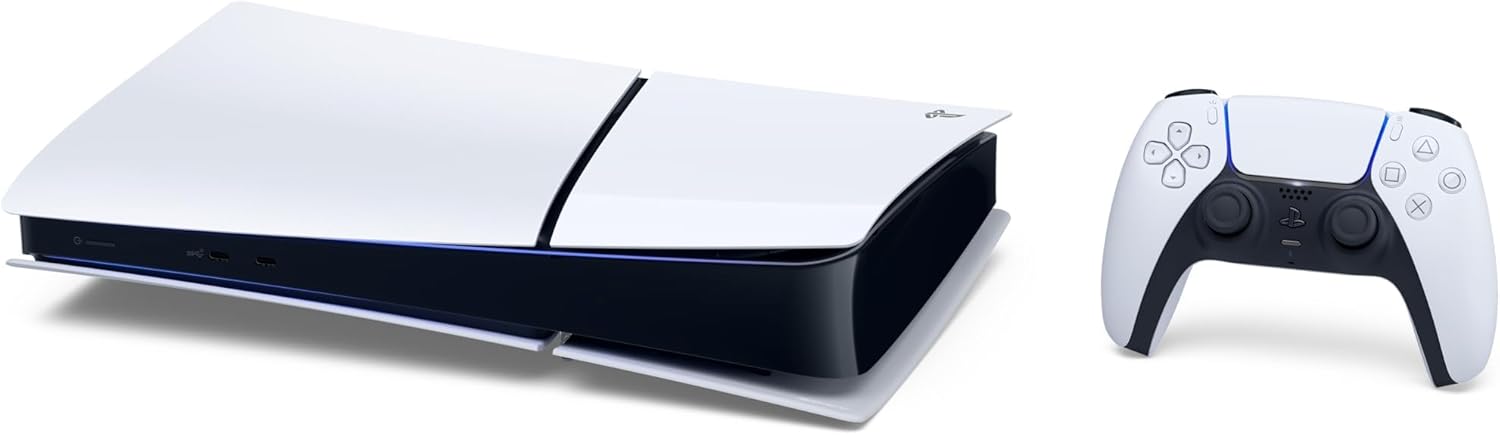
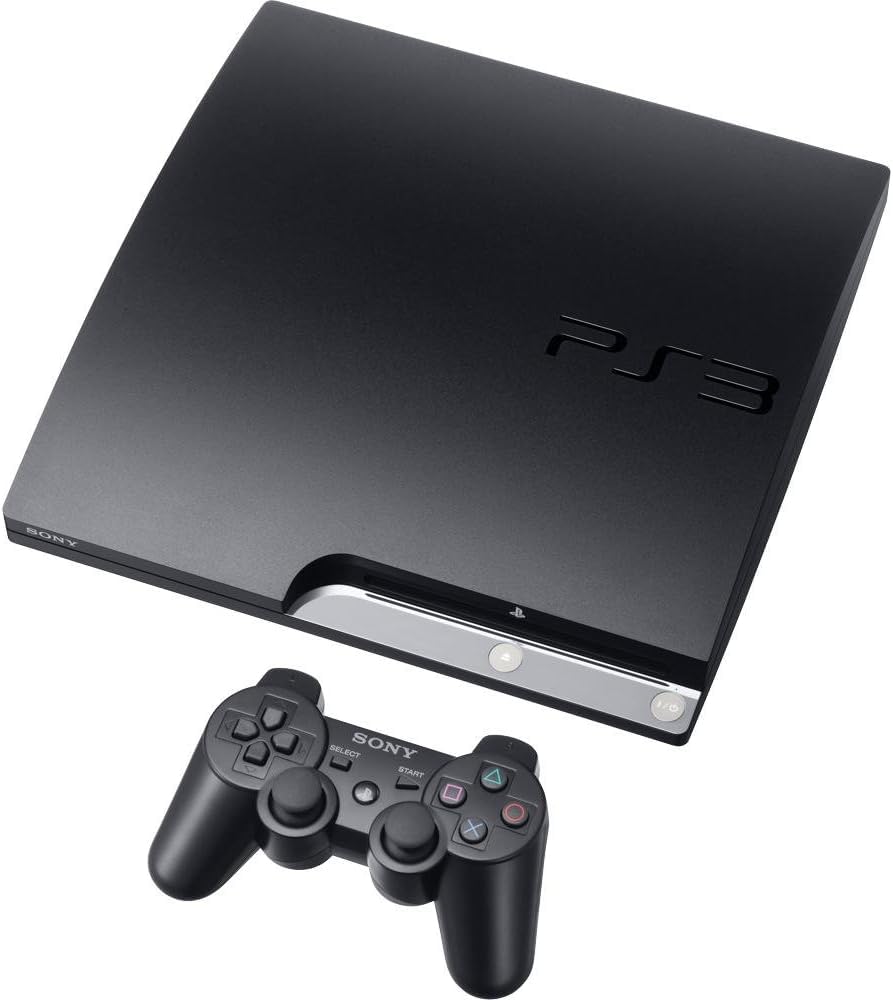
Sony PlayStation and Xbox Series systems remain the backbone of many home gaming setups. A standard PlayStation console targets players who want cinematic video game experiences with strong single player games. The more powerful PlayStation Pro model focuses on higher resolutions and smoother frame rates for the best gaming performance on large 4K televisions.
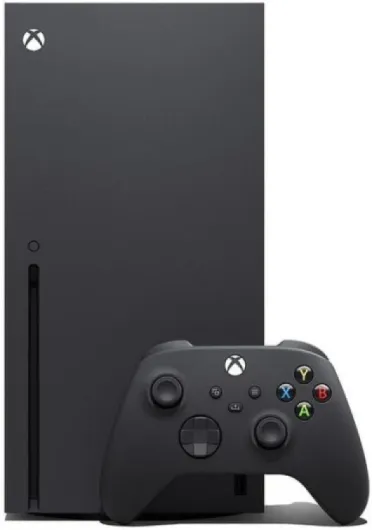
On the Microsoft side, an Xbox Series console emphasizes flexibility and value. The Xbox Series X includes a disc drive and large internal storage, while the smaller digital edition Xbox Series S trades the disc for a lower entry price. Both Xbox Series consoles integrate tightly with Game Pass, which offers a rotating library of video games that you can play on console, PC, and sometimes handheld devices.
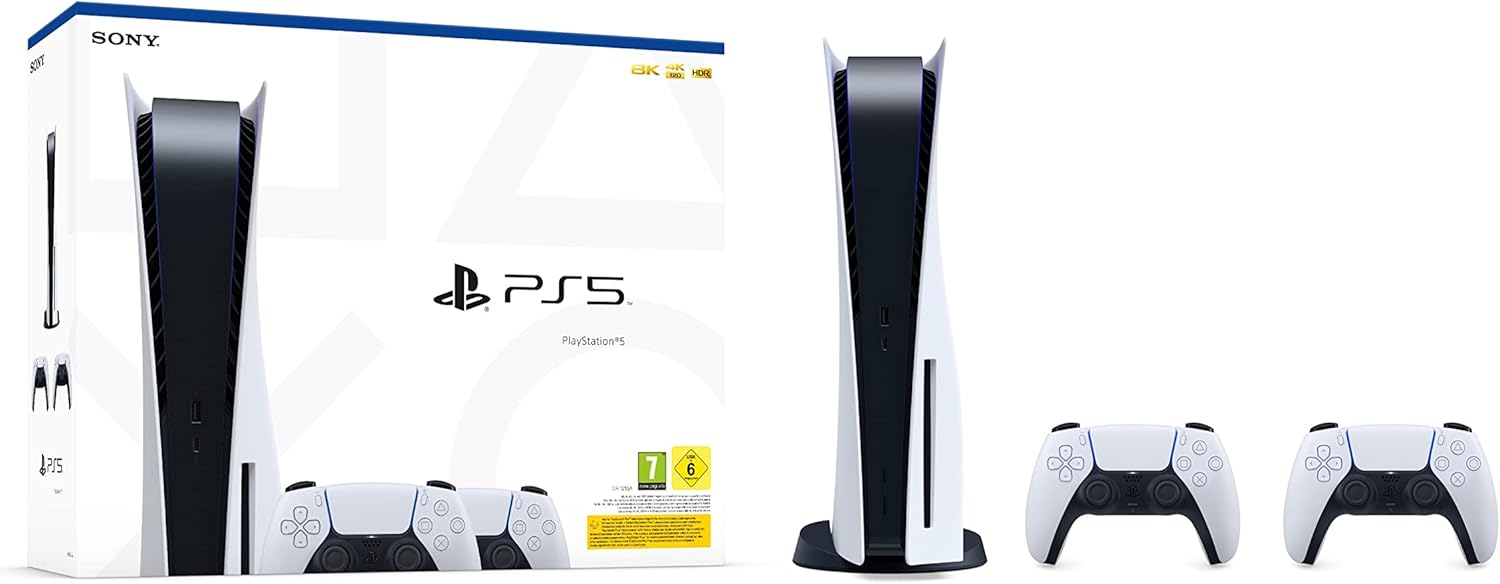
When choosing between these best home gaming consoles, consider your existing library and habits. If you already own many disc based games, a console with a disc drive such as a Sony PlayStation 5 or Xbox Series X protects that investment. Players who prefer digital edition purchases may value the quieter operation and smaller footprint of all digital consoles. To refine your setup further, a dedicated accessory such as a headset holder for your gaming station keeps controllers and headsets organized around any home system.
Nintendo switch, Steam Deck, and the rise of hybrid and handheld systems
Hybrid and handheld devices have reshaped what the best home gaming consoles can be. A Nintendo Switch functions as both a home console connected to a television and a handheld system for gaming on the go. The smaller Switch Lite focuses purely on handheld play, while the latest Deck OLED version of the Steam Deck emphasizes a premium portable screen for PC style video games.
These hybrid systems blur the line between a traditional game console and a personal computer. A Nintendo Switch or Nintendo Switch OLED can run family friendly games in docked mode at home, then continue the same game in handheld mode during travel. The Steam Deck and Deck OLED models instead bring PC gaming libraries into a handheld form, letting players enjoy original indie games and retro gaming emulators with strong battery life management.
Battery life and ergonomics are critical when evaluating handheld consoles and gaming devices. A Switch Lite offers lighter weight for children or commuters, while the Steam Deck prioritizes powerful hardware that may reduce battery life in demanding games. For many players, the best home gaming consoles now include at least one hybrid or handheld system alongside a main living room console. To extend immersion beyond flat screens, some enthusiasts also explore VR accessories, and guides such as improving VR comfort with knuckle grips show how controllers can evolve just like handheld hardware.
Disc, digital edition, and storage choices for modern video game libraries
Storage strategy has become a defining factor in choosing the best home gaming consoles. Modern video games often exceed 80 gigabytes, so a gaming console with limited internal storage fills quickly. Whether you prefer disc based or digital edition purchases, planning for expansion helps avoid constant file management.
Disc based consoles such as a Sony PlayStation with a disc drive or an Xbox Series X let you buy physical games, which can reduce download times and allow easy resale. However, even disc versions of a video game usually install most data to the internal storage, so you still need free space. Digital edition consoles remove the disc drive entirely, relying on fast downloads and external storage options to maintain a large library of games and video apps.
External SSDs and proprietary expansion cards can extend storage for many consoles and gaming systems. When evaluating the best gaming options, check how each game console handles external drives, and whether performance remains stable for demanding games. Retro gaming fans may also consider separate retro systems or devices such as a Game Boy inspired handheld to preserve original cartridges. For racing enthusiasts, specialized hardware like a sim racing shifter for consoles can sit alongside external drives in a carefully organized home setup.
Retro gaming, family friendly experiences, and the emotional side of consoles
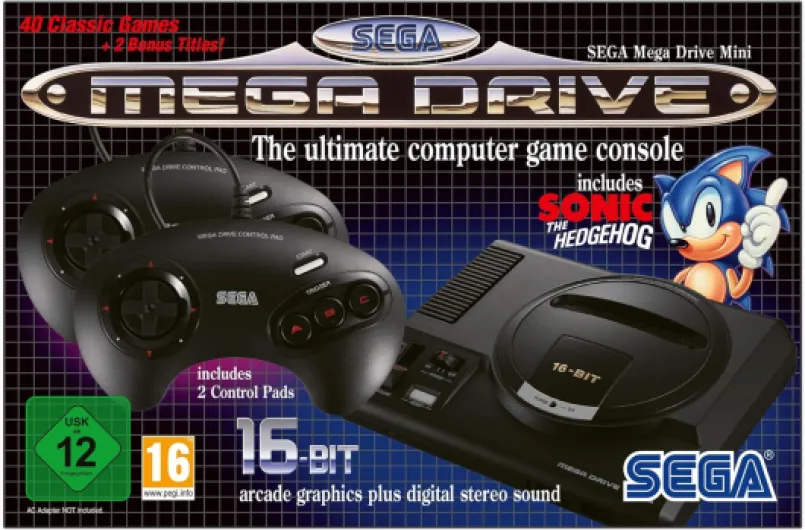
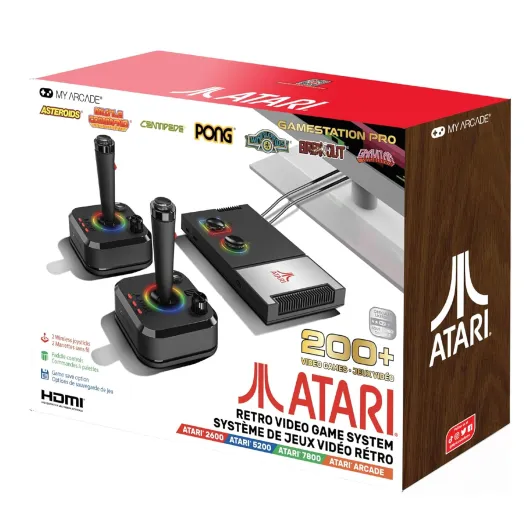
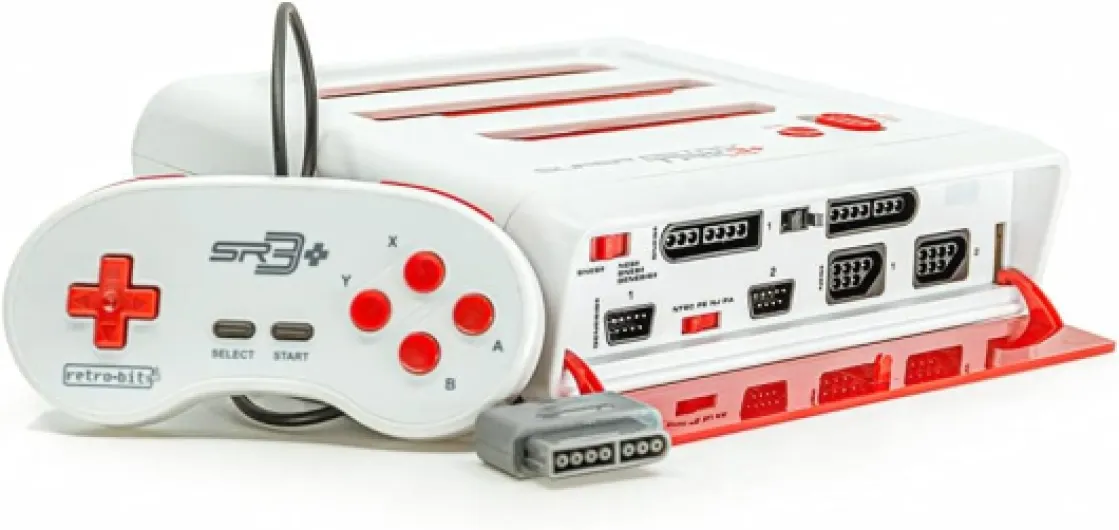
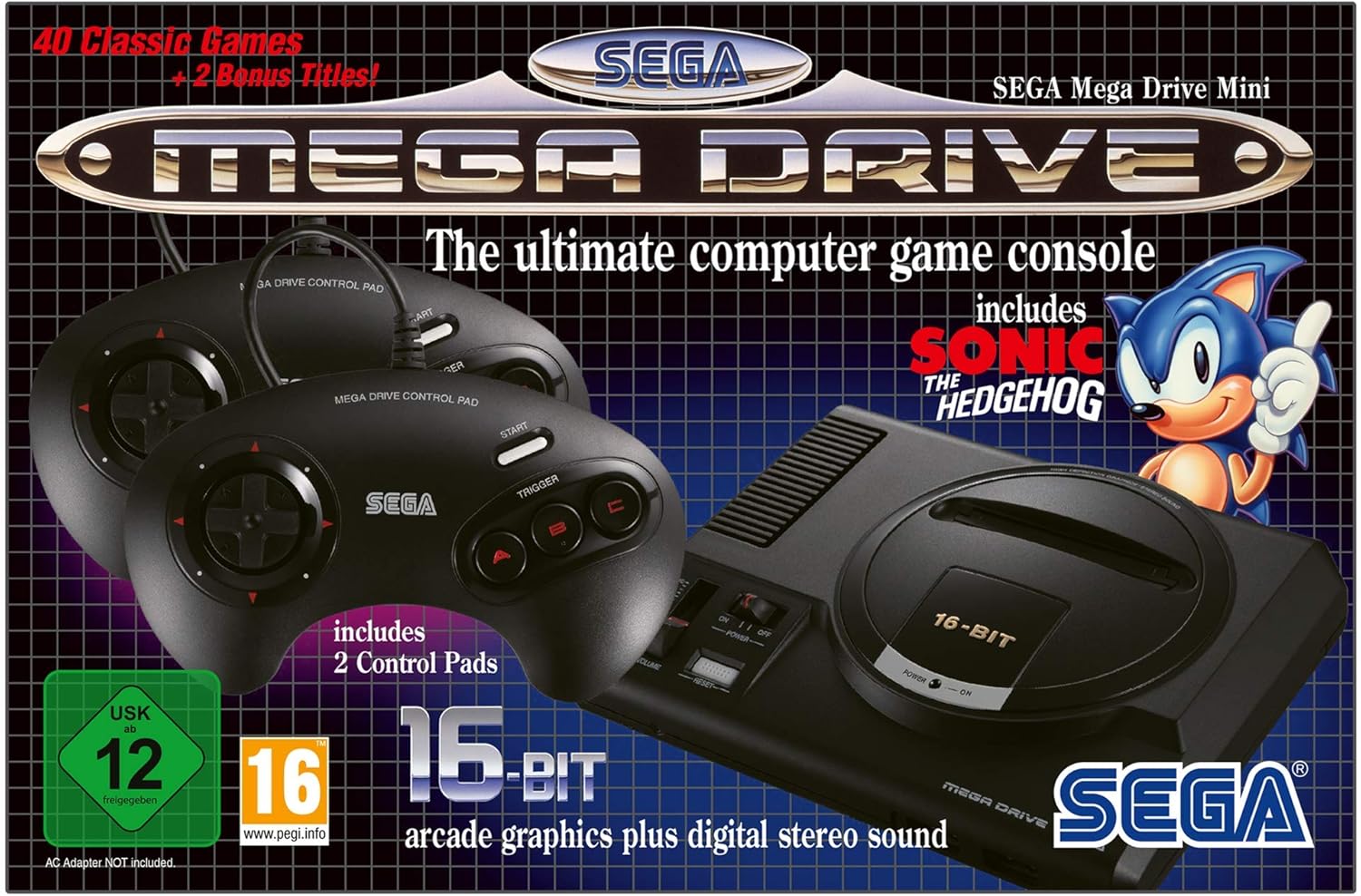
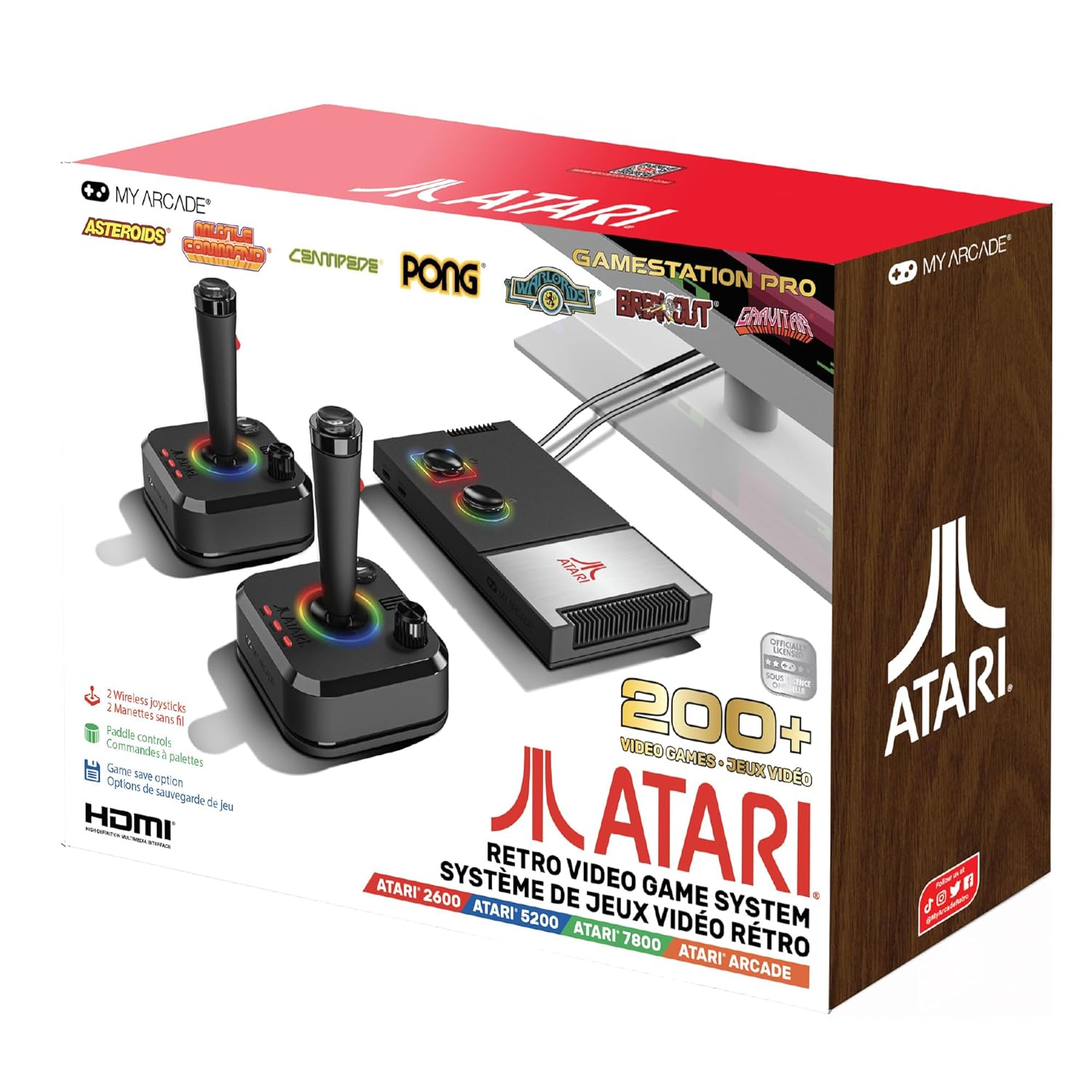
Beyond specifications, the best home gaming consoles tap into nostalgia and shared memories. Retro gaming collections on modern systems let adults replay original classics while introducing children to earlier eras of video games. Devices that emulate a Game Boy or recreate a vintage home system show how strongly people value the history of gaming.
Family friendly design plays a central role in many console ecosystems. Nintendo consoles such as the Nintendo Switch emphasize local multiplayer games that encourage people to play together in the same room. Sony PlayStation and Xbox Series consoles also offer family friendly titles, but they often highlight cinematic single player games and online multiplayer series instead.
Parents evaluating a new gaming console should look beyond marketing labels. Check parental controls, content filters, and how easily children can access online chat in each game. The best gaming setups for families often combine a main home console with a handheld device such as a Switch Lite, allowing flexible play schedules. In living rooms where retro gaming matters, a dedicated retro system or mini console can sit beside a modern game console, preserving original aesthetics while still supporting current video game releases.
Advanced ecosystems, subscriptions, and the role of services in best gaming
Services now shape how people experience the best home gaming consoles as much as hardware does. Subscriptions such as Game Pass, PlayStation Plus, and Nintendo Switch Online influence which games players try and how long they stay with a console. These services bundle online multiplayer, cloud saves, and rotating libraries of video games into a single monthly fee.
For Xbox Series owners, Game Pass can transform a new gaming console into a discovery engine for both indie and blockbuster titles. Sony PlayStation users gain access to curated catalogs of classic and modern games, including some original PlayStation and PlayStation 2 series that support retro gaming interests. Nintendo Switch Online focuses more on family friendly multiplayer and access to retro libraries from earlier Nintendo systems.
PC adjacent devices such as the Steam Deck and Deck OLED rely on the broader Steam ecosystem rather than a console specific subscription. These handheld systems benefit from frequent sales and vast back catalogs, but they demand more technical comfort from users. Across all platforms, the best gaming experiences emerge when hardware, services, and accessories align with personal habits. Enthusiasts who want to refine every detail of their home system may even explore niche platforms such as the Nex Playground, which experiments with motion based play in a living room environment.
Choosing the right gaming console for your home and play style
Selecting among the best home gaming consoles ultimately comes down to honest self assessment. Consider how often you play, which genres of video games you prefer, and whether you value portability or pure power. A balanced setup might pair a Sony PlayStation Pro or Xbox Series X in the living room with a Nintendo Switch or Steam Deck for handheld gaming.
Think carefully about who will use the console and where it will sit. A family friendly home may prioritize a Nintendo Switch with multiple controllers, simple interfaces, and games that support local play. Solo players who enjoy long narrative series might lean toward a PlayStation console, while competitive online fans could favor an Xbox Series system with strong Game Pass integration.
Budget, storage, and future proofing also deserve attention when comparing consoles and gaming devices. Decide whether a disc drive matters for your mix of disc and digital edition purchases, and plan for external storage if your video game library grows quickly. Handheld options such as a Switch Lite or Steam Deck reward players who travel often, but they work best as complements to a main home system. By weighing these factors, you can identify the single best gaming console or combination of consoles that fits your home, your habits, and your long term enjoyment.
Key statistics about home gaming consoles
- Global console gaming revenue continues to represent a major share of overall video game spending worldwide.
- Average file sizes for modern AAA games now frequently exceed 80 to 100 gigabytes per title.
- Surveys show that a significant portion of households own more than one active game console or handheld system.
- Subscription services such as Game Pass and similar offerings account for a growing percentage of gaming related revenue.
Common questions about the best home gaming consoles
Which gaming console is best for a mixed family household ?
For a mixed household with adults and children, a Nintendo Switch often provides the most flexible balance of family friendly games and deeper titles. Pairing a Switch with either a PlayStation or Xbox Series console can cover cinematic single player experiences and competitive online play. This combination lets younger players enjoy handheld gaming while adults use the main home system.
Is a digital edition console better than a disc based system ?
A digital edition console suits players who buy most games online and value a smaller, quieter box. Disc based systems remain better for collectors, bargain hunters, and anyone with an existing library of physical video games. The choice depends on how you buy games and whether you care about resale or lending discs.
Do I need a handheld system if I already own a powerful home console ?
You do not strictly need a handheld system, but it can change how and where you play. Devices such as a Nintendo Switch, Switch Lite, or Steam Deck let you continue long games away from the television. Many players find that a handheld complements a main console by filling travel time and shared living room situations.
How much storage should I plan for on a new console ?
For modern AAA games, aim for at least 1 terabyte of usable storage on any new gaming console. This capacity allows a rotating library of large titles, smaller indie games, and essential video apps without constant deletion. If you expect to install many massive games, budget for external storage or proprietary expansion cards from the start.
Are retro gaming systems still worth buying today ?
Retro gaming systems remain worthwhile for players who value authenticity and physical collections. Dedicated retro consoles and handhelds can preserve original cartridges, unique controllers, and the feel of classic video games. For others, modern consoles with official retro libraries may offer a more convenient way to revisit older games without extra hardware.

![One 500 GB Console - Black [Discontinued]](https://www.gaming-console-guru.com/storage/675595/conversions/51fCaIO6JsL._SL1000_-medium.webp)
![One 500 GB Console - Black [Discontinued]](https://www.gaming-console-guru.com/storage/675595/51fCaIO6JsL._SL1000_.jpg)