Understanding SFC MSU1 downloads and what they actually change
The phrase sfc msu1 download usually refers to patching a Super Famicom or Super Nintendo game to use the MSU-1 audio and data expansion. The MSU-1 specification, originally defined by byuu for the bsnes and later higan emulators, allows certain Super Nintendo and Super Famicom titles to stream high fidelity audio tracks and larger data files, which radically changes how classic ROMs can sound and feel. For a person seeking information, the first step is understanding that an MSU-1 ROM or multiple MSU ROMs are not new commercial releases but fan made modifications layered on top of an original game.
When you apply an MSU-1 hack to a compatible ROM, the patched game can play CD quality audio while the original SFC hardware or an accurate emulator still handles gameplay logic and timing. This is why many players talk about an MSU SFC library as a parallel catalogue, where each MSU-1 game or several MSU games coexist with the original cartridges without replacing them. In practice, the MSU file set usually includes a patched ROM, a dedicated MSU data file, and a folder of audio tracks that together form the enhanced experience.
Legally, the crucial point is that you must own the original cartridge or a licensed digital copy of any game whose ROM or ROMs you patch with MSU-1 content. A typical sfc msu1 download package should therefore contain only patch files and not the commercial game ROM, leaving you to create a legal backup of your own cartridge before you view the contents and apply the patch. Treat every MSU file, every ROM file, and every audio track as part of a preservation workflow, not as a shortcut to avoid buying the original releases.
How MSU1 enhances specific Super Famicom classics
MSU-1 enhancements shine most clearly when you compare a standard SFC ROM with its MSU SFC counterpart in a controlled setup. Take a legendary action adventure game such as The Legend of Zelda: A Link to the Past, often shortened by fans to Zelda or A Link to the Past, where an MSU-1 hack replaces the compressed soundtrack with orchestrated audio while leaving gameplay untouched. The result is that the same game and the same ROM structure suddenly feel closer to a modern remaster, even though you are still running a classic SFC game on original style hardware.
Role playing and cinematic action titles benefit in similar ways, especially when the original release relied heavily on music and atmosphere. For example, Super Metroid and ActRaiser from the USA catalogue, sometimes referenced in patch names as Super Metroid USA or ActRaiser USA, gain dramatic depth when their MSU audio tracks use live instruments or high bitrate synthesizers. In each case, the MSU file set extends the original SFC library without altering level layouts, enemy behaviour, or the core story that made these games iconic.
Action platformers also see striking improvements, particularly when the original sound chip struggled with dense arrangements. Patches for Donkey Kong Country, often labelled Donkey Kong Country or DKC in MSU archives, and for Super Mario World or other Super Mario entries, can stream studio quality soundtracks that rival modern releases. When you view contents of a well curated MSU archive, you will often find multiple variants of the same game ROM, each tuned for different regional releases such as USA MSU or Japan MSU versions, so always match the patch to your specific cartridge dump before you start any download.
For readers interested in how mini consoles handle such enhancements, a detailed hardware oriented perspective is available in public tests of the Mega Drive Mini and its electronic games, which help frame how retro style devices cope with expanded audio and data. While the Mega Drive platform uses different enhancement methods than the MSU-1 standard on SFC, both approaches illustrate how classic hardware can be respectfully extended. Understanding these parallels makes it easier to evaluate whether an SFC MSU1 download aligns with your expectations for authenticity and performance.
Regional nuances: USA MSU, Japan MSU, and patch compatibility
Region matching is one of the most underestimated aspects of any sfc msu1 download process. Many patches are explicitly labelled as USA MSU or Japan MSU because they target specific regional ROMs whose internal code, text, and audio pointers differ. If you apply a Japan MSU patch to a USA ROM, the game may crash, the audio may desynchronize, or the patched file may fail to load entirely.
When you build a personal MSU library, start by dumping your own cartridges and naming each ROM file clearly with its region, such as "Game Title (USA)" or "Game Title (Japan)", before you even view the contents of any patch archive. This habit becomes essential when you manage multiple versions of the same release, for example a USA version of Mega Man X alongside a Japan release, each requiring its own tailored MSU-1 hack. The same principle applies to other franchises like Super Mario, Super Metroid, and Donkey Kong Country, where subtle regional differences can break an otherwise well engineered MSU SFC patch.
Handheld crossovers add another layer of complexity, especially when a Game Boy or several Game Boy titles receive MSU style treatment through fan projects that port their audio to SFC engines. In such cases, the patched ROMs may reference both Game Boy and SFC naming conventions, so you must read the documentation carefully before any download or attempt to view contents of the patch folder. For enthusiasts exploring hardware mods, this regional awareness pairs well with guides on transformative Game Boy modifications, such as those described in articles about five Game Boy mods that turn a basic shell into a daily player, because both topics revolve around respecting original design while extending capabilities.
Managing files, archives, and audio assets safely
From a practical standpoint, every sfc msu1 download revolves around disciplined file management. A typical MSU package arrives as a compressed zip archive that contains a patch file, an MSU data file, and a set of numbered audio tracks in a lossless or high quality format. Before you extract anything, create a dedicated folder structure for each game so that your ROM, your MSU file, and your audio contents never mix with unrelated titles.
Once the zip archive is unpacked, you should view the contents and compare the filenames against the documentation provided by the patch author. Many MSU-1 hacks expect strict naming conventions, such as matching the ROM filename to the MSU data file name, otherwise the emulator or flash cartridge will fail to load the enhanced audio. A simple example would be Super Metroid (USA).sfc, Super Metroid (USA).msu, and Super Metroid (USA)-1.pcm, Super Metroid (USA)-2.pcm, and so on, all kept together in a single directory.
Long term preservation also depends on where you store your MSU SFC library and how you back it up. Some enthusiasts maintain a private catalogue on services similar to the Internet Archive for personal access, but you must respect copyright law and never upload commercial ROMs or ROM collections that you do not own. A safer approach is to keep your ROM files, MSU files, and audio tracks on local storage with redundant backups, labelling each title clearly so that future you can instantly view contents and understand which patches, regions, and versions belong together.
Ethical and legal considerations around MSU roms and downloads
Ethics sit at the heart of any conversation about sfc msu1 download practices. While MSU-1 hacks themselves are usually legal as transformative fan works, distributing or downloading commercial ROMs or multiple ROMs without owning the original media remains a copyright violation in many jurisdictions. The safest path is simple; create your own ROM dump from a legitimate cartridge, then apply the MSU patch locally without sharing the resulting file.
Different regions, including the USA and Japan, apply copyright law differently, but most agree that unauthorized distribution of full game files is not permitted. This means that even if a patch archive is hosted on a public server or mirrored through an Internet Archive style interface, you still carry responsibility for what you download and how you use it. Treat every release, from Super Metroid and Super Mario to Donkey Kong Country and Earthworm Jim, as a commercial work whose creators deserve respect and, where possible, continued support through official re releases.
Ethical use also extends to how you talk about and share MSU content within communities. When you recommend an MSU SFC project to friends, point them toward patch files and documentation rather than pre patched ROMs or unl MSU compilations that bundle multiple games into a single file. This approach keeps the focus on preservation, on celebrating the legacy of classic titles, and on encouraging new players to experience both the original game and the enhanced MSU-1 game in a way that honours the developers who built these worlds.
Hardware, emulation, and practical setups for MSU SFC gaming
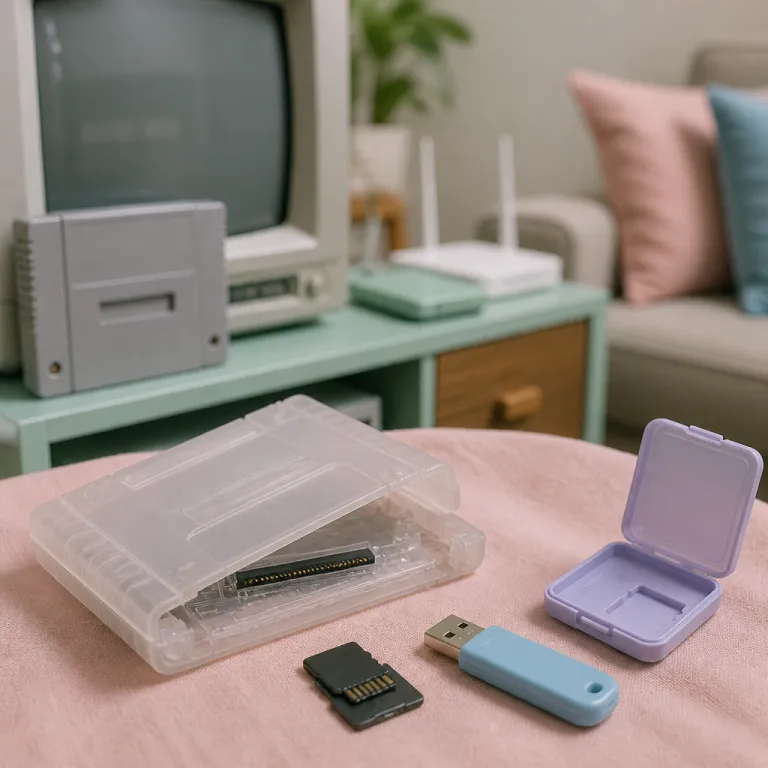
Choosing the right hardware or emulator is just as important as selecting a trustworthy sfc msu1 download source. On original SFC or Super Nintendo hardware, you typically need a flash cartridge that supports MSU-1 streaming, along with an SD card that holds your ROM, your MSU file, and your audio tracks. In emulation, popular SFC emulators such as bsnes, higan, and other accuracy focused projects often include MSU support, but you must configure audio latency and file paths carefully to avoid stuttering or desynchronization.
Many enthusiasts build hybrid setups that combine original controllers with modern display solutions, ensuring that the feel of the game remains authentic even as the audio reaches modern standards. For example, playing Super Metroid or a Mega Man X MSU hack on a calibrated flat panel with low input lag can preserve the tight platforming while letting the orchestrated soundtrack breathe. Portable oriented players sometimes prefer compact systems such as the Switch Lite, and a detailed test of the Japanese region free version with a multi language menu shows how modern handhelds can serve as flexible front ends for retro libraries when configured correctly.
Whichever route you choose, aim for a setup that respects both the technical limits and the artistic intent of the original games. Running a The Legend of Zelda: A Link to the Past MSU hack, a Super Mario World MSU project, or an Earthworm Jim USA MSU patch on underpowered hardware will undermine the very audio improvements that define the format. By contrast, a carefully tuned system turns each enhanced ROM into a living archive entry, preserving the legacy of these experiences for a new generation of players who value both authenticity and innovation.
Building and curating a personal MSU SFC library
Once you understand the technical and legal foundations, building a curated MSU SFC library becomes a rewarding long term project. Start with a small selection of favourites such as The Legend of Zelda series, Super Metroid, Donkey Kong Country, and a few Mega Man or Earthworm Jim titles, then expand gradually as you gain confidence with patching and file management. Each new sfc msu1 download should pass through the same checklist; verify the source, inspect the zip archive, view contents for unexpected files, and confirm that the patch targets your specific USA or Japan ROM.
Organisation is the difference between a chaotic folder of ROMs and a meaningful archive that you can navigate years later. Consider grouping games by series, such as a Super Mario collection, a Zelda and A Link to the Past cluster, or a Mega Man and Super Star themed set that highlights action platformers. Within each group, keep separate folders for original ROM files, patched MSU ROMs, and audio contents, labelling each file with region tags like USA MSU, Japan MSU, or specific notes such as ActRaiser USA or Jim USA to avoid confusion.
Over time, your library can evolve into a personal Internet Archive style catalogue that reflects your tastes and priorities. Some players focus on cinematic soundtracks, others on experimental MSU-1 hack projects that push the limits of the format, and a few seek out rare unl MSU builds that resurrect obscure titles. Whatever your focus, treat every file as part of a living preservation effort, where careful documentation, ethical sourcing, and thoughtful curation ensure that these SFC experiences remain playable, audible, and meaningful for decades to come.
Key figures and trends in retro and MSU SFC gaming
- Market analysts have estimated that retro gaming hardware and software together generated a substantial share of total console related revenue in the global games market, showing how strong demand remains for classic experiences compared with new releases. Exact percentages vary by report and year, so always consult the latest published data from firms such as Newzoo, NPD, or similar research providers.
- Usage data from major emulation front ends indicates that Super Nintendo and Super Famicom titles consistently rank among the top three most launched systems, which explains why MSU SFC projects attract sustained attention from both hobbyists and preservationists. These rankings are typically based on anonymised launch statistics and platform selection metrics published by front end maintainers.
- Surveys of flash cartridge users have reported that a significant minority dedicate their devices primarily to enhanced audio projects such as MSU-1 hacks, highlighting how audio quality alone can justify new hardware purchases for committed players. Such surveys are usually conducted by enthusiast communities on forums and social platforms and should be read as indicative rather than definitive.
- Digital storefront statistics show that official re releases of landmark titles like The Legend of Zelda: A Link to the Past, Super Metroid, and Donkey Kong Country routinely appear in bestseller lists for classic catalogues, confirming that interest in these games extends far beyond niche communities. These rankings can be verified through periodic sales charts and platform specific reports published by console manufacturers.
FAQ about SFC MSU1 downloads and enhanced retro gaming
Is it legal to use MSU patches with Super Famicom games ?
Using MSU patches is generally legal when you create them from your own legitimately owned cartridges or licensed digital copies. What typically violates copyright law is downloading or sharing full commercial ROMs or ROM collections without owning the originals. The safest approach is to dump your own game, apply the MSU patch locally, and never distribute the resulting ROM file.
What files should I expect in a typical SFC MSU1 download package ?
A standard MSU package usually arrives as a zip archive containing a patch file, an MSU data file, and a set of audio tracks in formats such as PCM or WAV. Some projects also include a small configuration file or a text document explaining how to name the ROM and where to place each file. If you view contents and see a full commercial ROM included, treat that package as legally risky and look for a patch only alternative.
Do MSU hacks change gameplay or only the audio ?
Most MSU hacks focus on replacing or enhancing audio while leaving gameplay logic, level design, and physics identical to the original SFC game. In titles like Super Metroid, Donkey Kong Country, or Mega Man X, the controls and enemy patterns remain the same, but the soundtrack gains higher fidelity and sometimes new arrangements. A few experimental projects add extra visual assets or minor quality of life tweaks, yet the core game usually stays faithful to the original ROM.
Which hardware is best for playing MSU SFC games ?
The most authentic option is original Super Famicom or Super Nintendo hardware paired with a flash cartridge that supports MSU-1 streaming. High quality emulators on PC or handheld devices can also deliver excellent results, provided you configure audio latency and file paths correctly. Your choice depends on whether you prioritise original controllers and CRT style output or the convenience of modern displays and portable systems.
How can I keep my MSU SFC library organised over time ?
Good organisation starts with clear folder structures and consistent naming conventions for every ROM, MSU file, and audio track. Group games by series or genre, label each file with its region and patch version, and keep original and patched ROMs in separate directories. Regular backups on reliable storage ensure that your curated MSU SFC archive remains intact even if a single drive fails.
References
- MSU-1 specification and technical notes originally authored by byuu for the bsnes and higan emulator projects
- Nintendo official documentation and classic game re release notes for Super Nintendo and Super Famicom titles
- Analyst reports from firms covering the global video games market, including retro segment breakdowns and digital sales charts
- Compatibility lists and user guides from major Super Famicom emulator projects and flash cartridge vendors that document MSU-1 support