

Understanding the layout of the metroid 2 map
Getting Familiar with the Metroid 2 World
When diving into Metroid 2, understanding the map is the first step to mastering every area. The game’s world is divided into distinct sectors, each with its own layout, hazards, and secrets. Unlike later entries like Metroid Prime or Metroid Dread, the original content in Metroid 2 presents a more straightforward, yet still challenging, map design. This makes it essential for any fan or newcomer to study the structure before setting out on a full walkthrough.
- Linear Progression: The map is less open-ended than in Super Metroid or Metroid Fusion. You’ll often move from one sector to the next, clearing out Metroids and unlocking new areas as you go.
- Landmarks and Navigation: Key locations like missile and energy upgrades, as well as special rooms, are scattered throughout. Recognizing these spots early can make your journey smoother.
- Environmental Cues: The map uses visual cues—like changes in tile color or enemy types—to signal when you’re entering a new area. This is a classic design choice that helps guide players without explicit markers.
For those interested in how Metroid 2 compares to other classic Nintendo titles, or if you want a broader perspective on retro map design, check out this guide to exploring the world of Pokémon Conquest on Nintendo DS. It offers insights into how different games approach map structure and player progression.
As you continue, you’ll discover how each sector introduces new challenges and opportunities for exploration. The next sections will highlight the most important locations, common navigation issues, and tips for efficient exploration—helping you become a true Metroid guide for both the original and its many fan creations.

Key locations and what to look for
Important Zones Every Fan Should Know
When exploring the Metroid 2 map, understanding the significance of each area is crucial for both newcomers and seasoned fans. The map is divided into distinct sectors, each with its own challenges and rewards. Recognizing these key locations can make your walkthrough smoother and help you find essential upgrades like missile expansions and energy tanks.
- Starting Sector: This is where Samus begins her mission. It's a good place to get familiar with basic controls and the original map layout. Look for early missile and energy pickups here.
- Metroid Lairs: These are special zones where you’ll encounter Metroid creatures. Each lair often hides a secret or two, so check every corner for hidden content or fan creations inspired by the original game.
- Upgrade Rooms: Scattered throughout the map, these rooms contain upgrades like the Spider Ball or Bombs. These are essential for progressing to new areas and are often referenced in guides and walkthroughs for Metroid, Metroid Prime, and Metroid Fusion.
- Energy Recharge Stations: These locations are vital for restoring Samus’s health. Make a mental note of their positions, especially before tackling tough enemies or bosses.
- Save Stations: Saving your progress is key in Metroid games. These stations are usually found at the entrance to major sectors or before boss fights, similar to what you’ll find in Metroid Dread or Samus Returns.
What to Look For in Each Area
Each sector of the map has unique features and hidden paths. Pay attention to:
- Breakable Walls: Many guides highlight the importance of using bombs or missiles to reveal secret rooms. This mechanic is a staple across the Metroid series, including Super Metroid and Prime Echoes.
- Environmental Clues: Look for subtle hints in the map’s design, such as unusual tile patterns or suspiciously empty rooms. These often lead to hidden upgrades or shortcuts.
- Enemy Placement: Some areas are guarded by tougher enemies or Metroid variants. Defeating them may unlock new paths or grant access to special content Metroid fans love.
Connecting with Other Metroid Titles
The Metroid 2 map shares design philosophies with other entries like Metroid Prime Hunters, Metroid Mission, and Prime Corruption. Recognizing these similarities can help you anticipate where to find secrets or how to approach new sectors. For those interested in how to play classic Metroid games on modern hardware, check out this guide on playing ROMs on your gaming console for more insights.
By understanding these key locations and what to look for, you’ll be better prepared to tackle the challenges discussed in the next section and uncover all the secrets the Metroid 2 map has to offer.
Common challenges in navigation
Navigation Obstacles and How to Overcome Them
Exploring the Metroid 2 map can be a real test of patience and skill, especially for fans who enjoy the challenge of classic Metroid games. The map design, while iconic, presents several hurdles that can slow down even experienced players. Here’s a look at the most common navigation challenges and how to tackle them.
- Maze-like Sectors: Many areas in Metroid 2, especially in the deeper sectors, are designed like labyrinths. It’s easy to get turned around or miss a crucial path. Keeping mental notes or using a guide can help, especially when tracking down hidden missile or energy upgrades.
- Limited Map Visibility: Unlike later entries like Metroid Fusion or Metroid Dread, the original game offers minimal map support. This makes it tough to remember which locations you’ve already explored, especially when hunting for Metroid creatures or special items.
- Backtracking and Locked Paths: Some areas require specific upgrades, like the Spider Ball or Bombs, to access. This means you’ll often need to revisit previous sectors once you’ve acquired new abilities. Fans of Super Metroid or Prime games will recognize this classic design, but it can be frustrating without a clear guide.
- Environmental Hazards: Acid pools, collapsing floors, and enemy ambushes are frequent. These hazards not only drain your energy but can also make navigation stressful, especially when you’re low on health or missiles.
For those who want to compare how navigation challenges differ across various gaming consoles, it’s worth noting that remakes like Samus Returns on 3DS add features such as a detailed map and improved controls. This makes exploration smoother compared to the original Game Boy version. If you’re curious about how modern consoles enhance the experience, check out this PS 2.0 gaming console guide for insights into how hardware improvements can impact classic game navigation.
Whether you’re a newcomer or a seasoned Metroid fan, understanding these obstacles is key to mastering every area and making the most of your journey through the game’s unique content and fan creations.
Essential tips for efficient exploration
Maximizing Your Exploration Efficiency
- Memorize sector connections: Each area in the Metroid 2 map is interconnected, but some paths are less obvious. Take note of which sectors loop back or lead to special locations. This helps avoid unnecessary backtracking, especially in dense regions like those found in Metroid Prime and Metroid Fusion.
- Use map markers and mental notes: While the original Metroid and Metroid Samus Returns have limited map features, newer versions and fan creations often include markers. Mark missile doors, energy tanks, and blocked passages for later return, especially when you acquire new abilities.
- Prioritize upgrades: Seek out missile expansions, energy tanks, and suit upgrades early. These not only boost survivability but also unlock new content and hidden areas. In games like Super Metroid and Metroid Dread, upgrades are often tucked away in corners of the map that require creative exploration.
- Plan your route: Before heading into a new area, check your current objectives and the sector layout. Guides and walkthroughs for Metroid Prime Hunters and Prime Echoes often recommend efficient routes to minimize unnecessary travel and maximize item collection.
- Watch for environmental clues: Cracked walls, unusual floor patterns, or suspicious enemy placements often hint at secrets. In Metroid Prime Corruption and Echoes Metroid, scanning the environment can reveal hidden passages or original content not immediately visible.
- Backtrack with purpose: As you gain new abilities, revisit earlier sectors. Many hidden locations and upgrades in Metroid Return and Metroid Mission are only accessible with late-game powers. Efficient backtracking is key to mastering the map and finding all special items.
Leveraging Community and Official Guides
- Consult fan guides and walkthroughs: The Metroid community is known for detailed guides and original content. These resources often highlight optimal exploration paths, secret locations, and strategies for tough areas.
- Explore fan creations: Custom maps and mods for Metroid and Super Smash Bros. sometimes offer new challenges or alternative layouts. These can help you practice navigation skills and discover content Metroid fans have added to the experience.
By combining careful observation, strategic planning, and community resources, you can efficiently explore every area and sector in the Metroid 2 map, whether you’re playing the original or enhanced versions like Samus Returns or Prime Metroid titles.
Secrets and hidden areas worth finding
Discovering Hidden Passages and Secret Upgrades
Exploring every area of the Metroid 2 map rewards players with more than just progress. Many fans know that the map is filled with secret locations and hidden upgrades that can make Samus much stronger. Whether you’re playing the original Metroid 2 or a remake like Samus Returns, uncovering these secrets is a core part of the experience. Here’s what to look for:
- Missile and Energy Expansions: Keep an eye out for breakable walls or floors. These often hide missile tanks or energy tanks, which are essential for surviving tougher sectors and bosses.
- Hidden Rooms: Some areas require using bombs or special weapons to reveal entrances. The Metroid series is known for rewarding curiosity, so try bombing suspicious spots or scanning for unusual map features.
- Fan Creations and Guides: The Metroid community has produced countless guides and walkthroughs that highlight secret areas. These resources can help you find every upgrade and hidden room, especially in complex sectors like those found in Metroid Prime, Echoes, or Fusion.
- Original Content and Remakes: Remakes like Metroid Samus Returns or Metroid Dread often add new secrets or change the locations of classic upgrades. If you’re switching between versions, pay attention to differences in map layouts and hidden content.
Special Areas and Easter Eggs
Some sectors feature unique content that pays homage to other Metroid games or even crossovers with titles like Super Smash Bros. For example, you might find references to Super Metroid, Metroid Fusion, or even Prime Hunters and Prime Corruption. These nods to the franchise’s history are a treat for long-time fans and add depth to the exploration experience.
- Echoes and Prime Connections: Look for areas that mirror locations from Metroid Prime, Echoes Metroid, or Prime Metroid. These connections enrich the lore and provide extra incentive to explore every corner.
- Sector-Specific Surprises: Some sectors contain hidden rooms that only open after defeating certain Metroids or solving environmental puzzles. These can lead to rare upgrades or special content Metroid fans will appreciate.
Mastering the map means not just moving from point A to B, but also uncovering every secret and making the most of Samus’s abilities. With careful exploration and the help of community guides, you can experience all the original content and fan creations that make Metroid 2 and its remakes so memorable.
Comparing the metroid 2 map on different gaming consoles
How Console Differences Shape Your Metroid 2 Experience
When exploring the Metroid 2 map, the console you choose can have a significant impact on your gameplay. Over the years, this classic title has appeared on several platforms, each offering its own take on the map layout, visuals, and navigation features. Here’s what you need to know if you’re comparing experiences across different systems:
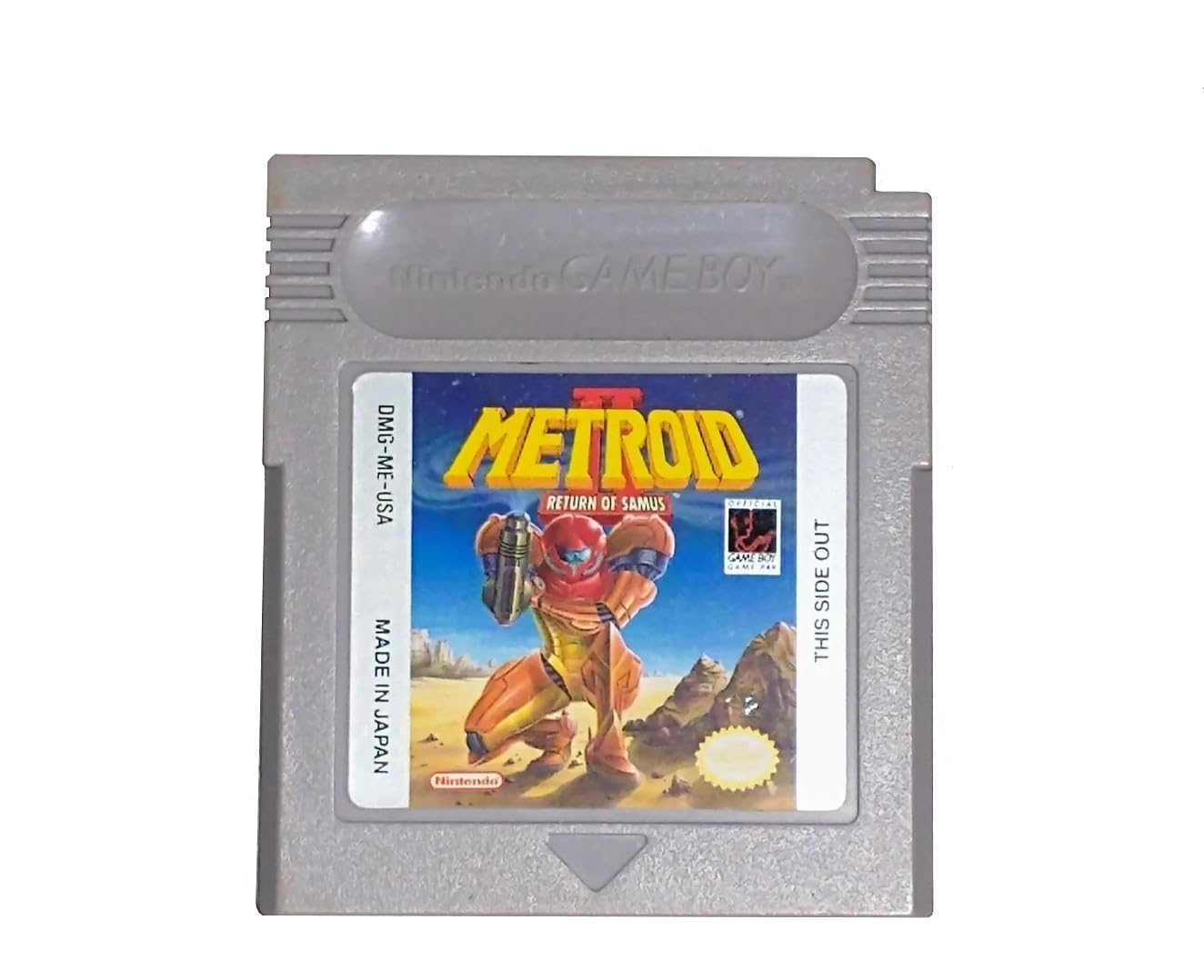
- Original Game Boy: The first release of Metroid 2: Return of Samus featured a simple, monochrome map. Navigation relied heavily on memory and observation, as there was no in-game map. This made finding missile and energy upgrades a real challenge, and hidden areas were often discovered by accident or through fan guides.
- 3DS – Samus Returns: The remake, Metroid: Samus Returns, introduced a detailed map system, color visuals, and quality-of-life improvements. Players could now mark locations and track progress, making it easier to revisit sectors for missed upgrades. The remake also added new content and special fan creations inspired by the original.
- Virtual Console: On platforms like the 3DS Virtual Console, the game remains faithful to the original content but benefits from save states and screen enhancements. This helps with difficult areas and supports more efficient walkthrough playstyles.
Comparing these versions, it’s clear that the map design and navigation tools have evolved. The remake’s map system is especially helpful for those who want a more guided experience, while the original appeals to fans who enjoy the challenge of classic exploration. If you’re used to the detailed maps in Super Metroid, Metroid Fusion, or Metroid Dread, the original Metroid 2 may feel more demanding.
| Console | Map Features | Navigation Difficulty | Notable Content |
|---|---|---|---|
| Game Boy | No in-game map, monochrome visuals | High | Original Metroid 2 experience |
| 3DS (Samus Returns) | Detailed map, color, markers | Moderate | New areas, modern controls, extra content |
| Virtual Console | Faithful to original, save states | Moderate | Enhanced accessibility, classic guide feel |
For those interested in fan creations and original content, the Metroid community has produced detailed guides and walkthroughs for every version. Whether you’re playing on a classic handheld or a modern system, understanding these differences can help you master every sector and uncover all the special secrets hidden throughout the Metroid 2 map.