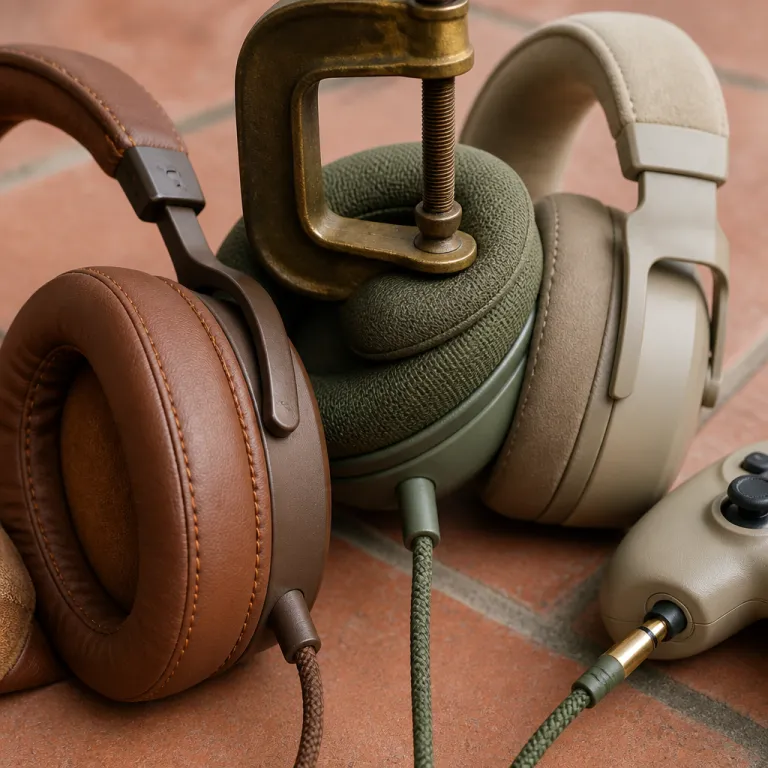
Why sub-$100 console headsets suddenly feel high end
Budget gaming headsets for console players used to mean harsh sound and fragile plastic. Over the last two hardware cycles, the best gaming headset console 2026 contenders under 100 dollars quietly inherited driver tech, wireless chipsets and comfort tweaks that once sat in premium lines, so you now get cleaner audio and longer battery life without paying pro tournament prices. That shift matters if you grind ranked matches for hours and need a wireless headset that feels comfortable, sounds precise and survives being tossed on the couch after a bad loss.
Driver quality is the first big change in modern gaming headsets. Brands that once reserved 40 millimetre neodymium drivers and refined tuning for their pro wireless flagships now ship similar audio hardware in sub 100 dollar models, which means better positional sound, clearer footsteps and less muddy bass on PlayStation, Xbox and Nintendo Switch. When you combine that with console optimised wireless gaming dongles running low latency 2,4 GHz wireless links, you get a gaming headset that finally keeps up with fast shooters instead of lagging half a frame behind.
Battery tech also trickled down hard. Where older wireless headsets died after six or seven hours, current budget gaming headsets routinely hit 30 hours of battery life, and some stretch beyond 40 hours if you avoid max volume and RGB lighting. That extra duration matters when you bounce between Xbox and a Nintendo Switch handheld session, because you can leave the charging cable in a drawer and still trust your wireless gaming audio to hold up through a full weekend.
Key criteria for the best console headset under $100
Choosing the best gaming headset console 2026 under 100 dollars starts with comfort, not specs. Weight, clamp force and ear pad material decide whether a gaming headset still feels comfortable after three hours, while driver size and marketing terms like pro wireless or atlas air barely matter if your head hurts. Aim for headsets around 250 to 320 grams with soft memory foam pads and a flexible headband, especially if you wear glasses and need the pads to seal well without crushing the frames.
Connectivity is the next big fork in the road. Pure bluetooth headsets look convenient but often add latency on consoles, so a dedicated 2,4 GHz wireless dongle or native Xbox Wireless support is usually better for competitive gaming where sound timing matters. On PlayStation and Nintendo Switch, a compact USB dongle that supports low latency wireless audio will beat bluetooth every time for hearing footsteps, reloads and distant shots exactly when they happen.
Microphone quality separates real gaming headsets from generic wireless headphones. A good boom mic or detachable microphone should keep your voice clear and full without picking up every fan noise in the room, while weak mics turn party chat into muffled mush that frustrates teammates. When you read any review specifications for a budget gaming headset, pay attention to mic tests, background noise handling and whether the headset keeps chat balanced against game sound during long hours of play.
For players building a full setup, pairing a strong sub 100 dollar headset with a responsive keyboard can transform how your console feels when used with remote play or cross platform play on PC. If you are curious about how a specialised driver keyboard can tighten your inputs, this guide on the G105 driver keyboard for gaming responsiveness explains how better key switches and firmware reduce missed commands. The same philosophy applies to audio gear, where small engineering upgrades in budget headsets now translate into real competitive advantages.
Pick 1 – HyperX Cloud III Wireless: comfort king for marathon sessions
The HyperX Cloud III Wireless is the easiest recommendation if you want the best gaming headset console 2026 under 100 dollars for long sessions. This wireless headset usually sits just under the price ceiling on sale, yet it delivers a familiar HyperX Cloud sound signature with rich bass, clear mids and enough treble detail to track footsteps without fatigue. In practice, that tuning makes single player games cinematic while still keeping competitive shooters readable, which is a balance many cheaper headsets miss.
Comfort is where the Cloud III Wireless really earns its gaming headset reputation. At around 330 grams with plush memory foam pads and a suspended style headband, it stays comfortable for four to five hours of continuous gaming, even if you wear glasses or use it with both Xbox and Nintendo Switch via USB dongle. Clamp force is firm enough to keep the headset stable when you move quickly, yet it never feels like a vice, so you can grind ranked playlists late into the night without hot spots.
Battery life is another strong point. HyperX rates the Cloud III Wireless for up to 120 hours of use at moderate volume, and while real world numbers land lower, you can still expect several dozen hours between charges, which beats many older pro wireless models that cost far more. The detachable boom microphone is not broadcast studio grade, but it delivers clear voice chat with decent noise rejection, and it avoids the hollow, distant sound that plagues many budget gaming headsets.
On the connectivity side, the Cloud III Wireless uses a 2,4 GHz wireless dongle rather than relying on bluetooth, which keeps latency low on PlayStation and PC. You can still use bluetooth for casual listening on mobile, but serious gaming should stick to the dongle for the most responsive audio. If you are planning a broader setup upgrade, pairing this headset with a modern USB C adapter chain can simplify how you move it between devices, and guides on USB C female to adapters for console connectivity show how a single cable can handle multiple accessories cleanly.
Pick 2 – Turtle Beach Stealth 600 Gen 3: console native wireless on a budget
The Turtle Beach Stealth 600 Gen 3 targets console players who want native wireless without dongle juggling. On Xbox, it connects directly using the Xbox Wireless protocol, while the PlayStation and Nintendo Switch versions rely on a compact 2,4 GHz wireless dongle that keeps latency low for competitive gaming. That makes it one of the best gaming headset console 2026 options if you bounce between living room consoles and a handheld Switch without wanting to re pair bluetooth every session.
Sound tuning on the Stealth 600 Gen 3 leans slightly bright. Footsteps, reloads and distant gunfire cut through the mix clearly, which helps in shooters, while the bass still has enough punch for explosions and cinematic single player games, though it is less warm than a HyperX Cloud III. Turtle Beach includes several EQ presets, so you can switch between a competitive profile, a bass boost and a more neutral sound depending on whether you are grinding ranked or relaxing with a story driven game.
The flip to mute microphone is a highlight at this price. Voice chat comes through clean and intelligible, with less background hiss than older Turtle Beach models, and teammates will hear you clearly even when your room fan is running, which is not always true for cheap microphones. For players who stream casually from console, the mic quality is good enough to avoid an immediate external microphone upgrade, especially if you keep gain levels sensible and sit a reasonable distance from the TV.
Comfort is solid, though not class leading. The headset weighs around 300 grams, the pads use breathable fabric rather than leatherette, and the glasses friendly design carves a small channel in the cushions so frames do not dig into your temples during long hours. If you are sensitive to clamp force, the Stealth 600 Gen 3 feels slightly tighter than the Cloud III Wireless, but it still lands in the comfortable zone for most heads, especially once the pads break in after a week of regular gaming.
For players who care about the full tactile feel of their setup, pairing this headset with a keyboard that uses smooth mechanical switches can make cross play sessions feel more consistent. A deep dive into the world of creamy keyboard switches for gaming shows how switch weight and travel affect fatigue, and the same logic applies to headset weight and clamp when you are chasing comfort over long sessions.
Pick 3 – SteelSeries Arctis Nova 3: wired value with premium audio tricks
Not everyone needs wireless, and the SteelSeries Arctis Nova 3 proves that a wired gaming headset can still be the best gaming headset console 2026 choice under 100 dollars if you value consistent audio and no charging. This headset plugs into almost anything with USB or 3,5 millimetre, from PlayStation and Xbox to Nintendo Switch and PC, which makes it a flexible option for players who own multiple systems. Because it is wired, latency is effectively zero, so you never worry about audio lag in rhythm games or twitch shooters.
Sound quality is where the Arctis Nova 3 punches above its price. The drivers share tuning DNA with the more expensive Arctis Nova and SteelSeries Arctis lines, delivering a balanced sound with tight bass, clear mids and smooth highs that avoid harshness at higher volumes. Positional cues in games that support 3D audio, such as Tempest 3D on PlayStation, feel precise, and you can easily track enemies moving around you without the soundstage collapsing into a flat wall of noise.
The retractable boom microphone is another strong point. It tucks neatly into the ear cup when not in use, yet extends far enough to capture your voice clearly, and background noise rejection is respectable for a wired gaming headset at this price. In party chat, your voice sounds natural rather than tinny, which is a common problem with cheaper microphones that cut too much low end in an attempt to remove room noise.
Comfort follows the familiar Arctis recipe. The ski goggle style headband spreads weight evenly across your head, while the ear cushions use a breathable fabric that stays comfortable during long hours of gaming, even in warmer rooms. At around 280 grams, the Arctis Nova 3 feels lighter than many wireless headsets, and the lower weight helps reduce neck fatigue during marathon sessions or late night raids when you forget how long you have been playing.
If you can stretch to $120 – SteelSeries Arctis Nova 7
If your budget has a little flex, the SteelSeries Arctis Nova 7 is the one headset that justifies going beyond the 100 dollar ceiling. It brings multi platform wireless to the table, with a 2,4 GHz dongle for low latency gaming on PlayStation, Xbox or Nintendo Switch, plus simultaneous bluetooth for phone calls or music while you play. That dual wireless setup means you can take a call mid match without losing game audio, which is a small quality of life upgrade that quickly feels essential.
Audio quality on the Arctis Nova 7 steps up from the Nova 3. The soundstage feels wider, bass has more authority without becoming boomy, and subtle details like reverb tails and environmental ambience come through more clearly in story driven games, which makes it feel closer to last generation flagships than its price suggests. For competitive players, positional accuracy remains strong, and you can fine tune EQ through software on PC before saving profiles that carry over to console via the dongle.
Battery life is solid rather than spectacular, but still more than enough for most players. You can expect around 30 hours of use on a charge, depending on volume and whether you run both 2,4 GHz and bluetooth at the same time, and the headset supports fast charging that gives several hours of play from a short top up. The retractable microphone continues the SteelSeries tradition of clear, natural voice capture, and it avoids the compressed, nasal tone that often plagues cheaper wireless headsets.
Comfort remains a highlight. The ski goggle headband and soft fabric pads keep the headset comfortable during long sessions, and clamp force is tuned to stay secure without causing headaches, which matters if you play for hours every evening. If you are weighing whether to stay under 100 dollars or stretch to the Nova 7, the decision comes down to how much you value multi source wireless convenience and slightly richer audio over the already strong performance of the sub 100 dollar picks.
How to read specs, avoid duds and match a headset to your console
Spec sheets can mislead if you do not know what matters. When you compare candidates for the best gaming headset console 2026, focus on connection type, battery life, weight and microphone design rather than chasing the highest frequency response numbers or the largest drivers. A well tuned 40 millimetre driver on a stable 2,4 GHz wireless link will beat a poorly tuned 50 millimetre driver on laggy bluetooth every time in real gaming.
Platform compatibility is critical. Xbox players should prioritise headsets that support Xbox Wireless or include a dedicated dongle, while PlayStation and Nintendo Switch owners can use almost any USB or 3,5 millimetre gaming headset but still benefit from low latency wireless dongles over pure bluetooth. If you move between consoles and PC, a multi platform wireless headset like the Arctis Nova 7 or a wired option like the Arctis Nova 3 keeps your life simpler than juggling multiple headsets.
Comfort metrics deserve as much attention as audio specs. Look for weight under roughly 320 grams, soft memory foam or fabric pads, and a headband that spreads pressure evenly, especially if you wear glasses or play for long hours. If a headset has a reputation for strong clamp force or hot pads, those are reasons to avoid it even if the sound is technically impressive, because discomfort will push you to take breaks at the worst possible moments in competitive matches.
Microphone quality is the last piece of the puzzle. A clear, full sounding mic with decent noise rejection keeps team comms sharp and reduces misunderstandings, while a weak microphone forces you to repeat callouts or shout over background noise. When you read any review specifications, listen for samples of the mic in real game lobbies rather than trusting marketing claims, and remember that a slightly less detailed sound profile is acceptable if the headset nails comfort, latency and reliable communication.
Key figures on console headsets under $100
- Market research from NPD Group reported that sub 100 dollar gaming headsets accounted for more than 60 percent of console headset unit sales in North America last year, reflecting how most players still prioritise value over luxury features.
- Several major brands now advertise battery life figures above 40 hours on their budget wireless models, a sharp increase from the typical 20 to 25 hour ratings seen on mid range wireless headsets just two hardware cycles ago.
- Latency testing by independent reviewers has shown that 2,4 GHz wireless dongles can keep end to end delay under 40 milliseconds on modern consoles, while standard bluetooth connections often exceed 150 milliseconds, which is noticeable in fast shooters and rhythm games.
- Comfort surveys among competitive players frequently rank weight as the top factor, with many respondents preferring headsets under 320 grams and reporting higher fatigue when using heavier models for sessions longer than three hours.
- Adoption of 3D audio formats such as Tempest 3D on PlayStation has increased demand for headsets with accurate positional imaging, and manufacturers have responded by bringing more advanced driver tuning and virtual surround processing into sub 100 dollar lines.
FAQ – best console headsets under $100
Are wireless console headsets under $100 good enough for competitive play ?
Modern wireless console headsets under 100 dollars are absolutely viable for competitive play, as long as they use a low latency 2,4 GHz dongle or native Xbox Wireless instead of relying solely on bluetooth. Latency on these connections is typically low enough that you will not notice delay between on screen actions and audio cues. The key is to avoid generic bluetooth only models and choose headsets designed specifically for gaming.
Is a wired headset still better than wireless for consoles ?
A wired gaming headset still offers the lowest possible latency and removes any concerns about battery life, which can be reassuring for tournament style sessions. However, the gap between wired and good 2,4 GHz wireless headsets has narrowed to the point where most players will not feel a difference in normal play. If you value freedom of movement and a cleaner living room setup, a quality wireless headset is usually the better trade off.
How important is microphone quality on a budget gaming headset ?
Microphone quality is crucial if you play team based games where clear communication affects performance. A good boom mic or retractable microphone should keep your voice intelligible without picking up too much background noise, which reduces misunderstandings and keeps callouts crisp. When shopping, always check real voice samples from reviews rather than trusting marketing claims alone.
Can I use one headset for PlayStation, Xbox and Nintendo Switch ?
Many wired headsets work across all three platforms using a 3,5 millimetre jack or USB connection, making them a safe choice for multi console households. Wireless compatibility is trickier, because Xbox uses its own wireless protocol while PlayStation and Switch rely on USB dongles or bluetooth. If you want a single wireless headset for everything, look for multi platform models that include separate versions or dongles for each console.
What weight should I aim for if I play long sessions ?
For sessions longer than three hours, most players find headsets under about 320 grams significantly more comfortable over time. Lighter models reduce neck strain and pressure on the top of the head, especially when combined with soft pads and a well designed headband. If you are sensitive to weight or wear glasses, prioritising a lighter headset will usually improve your overall gaming experience more than chasing marginal audio upgrades.