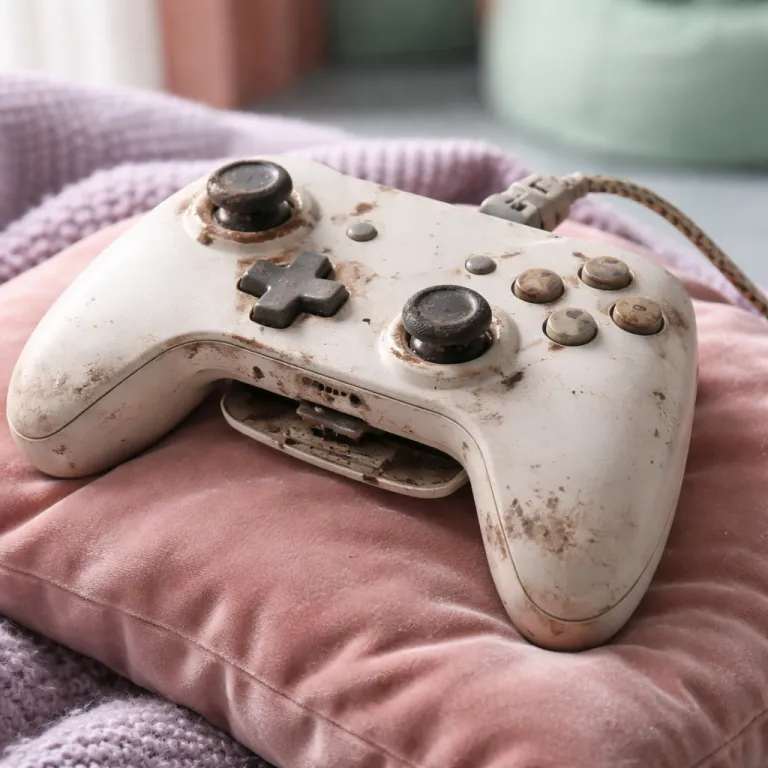
Why your controller fails faster than the console it serves
A modern controller lives a harder life than your console ever will. Every intense gaming session means thousands of stick movements, constant button presses, and relentless vibration that slowly turns tight mechanisms into loose, unreliable parts. When a controller durability test is done properly, it shows that most failures are not random; they follow a predictable pattern of wear on a few weak components.
Competitive players feel this first, because their controllers see concentrated stress in the same directions, the same sticks, and the same triggers during every game. Traditional analog stick modules use potentiometers, which are tiny mechanical sensors that scrape along a resistive track, and independent teardown data plus manufacturer endurance figures suggest that those parts typically start degrading after roughly 400 to 800 hours of heavy gaming, long before the shell looks worn. For example, common ALPS-style modules used in Xbox One and DualShock 4 pads are often rated for around two million cycles per axis in internal specs and community logs from sites like iFixit and Controller Modding Wiki. That is why a serious controller test focuses on the stick, the trigger, and the bumper assemblies rather than on cosmetic scuffs or the strength of the plastic shell.
Most gaming controllers from major brands share the same OEM stick modules, so a budget gamepad and a premium pro controller can fail in exactly the same way. When you run a structured controller durability test across several controllers and compare part numbers from teardown photos, you often find that the expensive shell, extra buttons, and custom profiles hide the same analog stick hardware that already has a reputation for drift. Typical examples include ALPS RKJXV and RKJHP series modules in Xbox-style pads and similar potentiometer blocks in DualSense and Switch Pro controllers, all of which show comparable wear curves in community endurance spreadsheets. That mismatch between price and internal parts is the main reason so many players feel burned after their third stick drift repair in a single console generation.
The three parts that die first in real controller durability testing
Every serious controller durability test eventually points to the same three weak spots: stick potentiometers, trigger springs, and bumper hinges. The analog stick modules in most controllers rely on sliding contacts that wear down, which creates noisy input signals and the classic stick drift where the game camera moves even when you do not touch the sticks. When a tester logs the raw input data during testing, the dead zone slowly grows as the analog sticks age, forcing you to push the stick further just to register movement.
Trigger mechanisms fail differently, because their springs and plastic cams fatigue rather than scrape, and a long controller test often reveals that one trigger loses tension or stops returning fully before the other. That is why some Xbox Series players suddenly feel a mushy trigger in racing or shooting games, even though the rest of the controller still looks pristine and every button still clicks. Bumper issues usually start as intermittent misfires, where you press the button and nothing happens, and teardown testing shows that the tiny plastic hinge or dome switch under those buttons has cracked or shifted slightly out of alignment.
Premium gaming controllers and licensed pro controller models often reuse the same analog stick modules and bumper switches as cheaper pads, so price alone does not buy you better durability. A careful controller durability test on an Xbox-style gamepad, a Switch Pro-style pad, and a third-party Bluetooth controller often reveals nearly identical stick wear curves and similar failure points around the bumpers. In a typical bench test, a small sample of 5 to 10 controllers is mounted in a rig that rotates the sticks through full travel at 2 to 3 cycles per second, while solenoids or servo arms repeatedly pull the triggers and tap the bumpers for 300,000 to 500,000 actuations. If you want a controller that survives more than one console cycle, you need to look past marketing and into teardown-based buying guides that show the real parts, not just the feature list in your browser tab.
For players who care about precision styling and long-term comfort, a detailed analysis of how a so-called devil controller elevates precision and style in modern gaming can be useful, because it often highlights how cosmetic upgrades interact with the same underlying wear-prone components. Reading such focused review and buying content helps you understand whether a stylish shell hides fragile sticks and buttons or whether the designer actually reinforced the known weak points. That kind of context matters more than any single spec when you are trying to avoid another failed controller in six months.
Hall Effect sticks, TMR sensors, and why drift is only half the story
Hall Effect and TMR-based analog stick designs attack the drift problem at its source by removing physical contact from the sensing mechanism. Instead of a wiper scraping along a resistive track, these analog sticks use magnetic fields and solid-state sensors to measure stick position, which means there is no surface to wear down and no dust to grind into the contacts. In a long controller durability test, that difference shows up as stable input readings, with no creeping dead zone and no sudden stick drift even after hundreds of hours of gaming.
Controllers like the 8BitDo Ultimate 2 and the GameSir G7 Pro use Hall Effect sticks and support high polling rates up to 1000 Hz, which reduces input latency and keeps the aiming response crisp for competitive players. When you run a controller test on these pads using a gamepad tester tool or a browser-based gamepad API visualizer, the input traces stay clean and symmetrical even after aggressive testing with rapid circular stick motions. That stability does not mean the whole controller is immortal though, because trigger springs, bumper buttons, and USB or wireless ports still face the same mechanical stress as on any traditional gamepad.
High-end gaming controllers that advertise Hall Effect sticks sometimes still cut corners on other parts, so a complete controller durability test must include vibration endurance, repeated press button cycles, and cable strain tests on the USB-C connector. Racing wheel tests, such as a detailed gaming racing wheel V9 steering wheel durability review, show similar patterns where the wheel sensors last but the shifter paddles or pedal hinges fail first. In many published test logs, for instance, magnetic sensors show no measurable drift after 1000 hours while plastic pedal pivots start to loosen after roughly 200,000 presses. The lesson carries over to every test controller scenario: solving stick drift with magnetic sensors is a huge win, yet it does not protect you from bumper issues, trigger failures, or a loose port that drops connection mid game.
How to spot early wear and extend the life of your controllers
Most players only think about a controller durability test after something breaks, but the hardware usually whispers long before it screams. Subtle changes in vibration strength, a slightly scratchy feel when you rotate the stick, or a button that needs a firmer press are all early warning signs. If you pay attention to those issues and run a quick controller test with a gamepad tester or a gamepad API-based input viewer, you can often catch a growing dead zone or intermittent input before it ruins a ranked match.
Visual inspection matters as much as digital testing, because worn analog stick caps, shiny trigger surfaces, or hairline cracks near the bumper buttons all point to concentrated stress. A careful tester will gently move the sticks in slow circles while watching for jumps in the on-screen input trace, then press each button repeatedly to feel for inconsistent resistance or double actuations. When you connect controller devices over Bluetooth or a wired USB-C cable, you should also check for wobble at the port and avoid yanking the cable sideways, since port damage is one of the most common repair jobs on modern gaming controllers.
Simple maintenance habits extend controller life more than most people expect, especially for players who grind the same game every night. Wiping sweat and dust off the controller shell, storing the gamepad in a dry place away from direct heat, and avoiding constant charging while playing all reduce stress on the plastics and the battery. If you care about eco-friendly habits and want to delay your next purchase, treating your controller like a precision tool rather than a disposable accessory is the most effective durability upgrade you can apply today.
For players exploring immersive setups, a detailed guide on how VR accessories transform immersion and comfort in virtual reality gaming can also highlight how extra hardware increases the total number of moving parts you must maintain. The more controllers, trackers, and haptic devices you add, the more important it becomes to apply the same disciplined cleaning, storage, and testing routines across your entire gaming setup. That mindset keeps both your main controller and your extended gear stable for far longer than casual use ever would.
Choosing durable controllers without falling for marketing tricks
Picking a long-lasting controller starts with understanding that price, branding, and pro labels do not guarantee better parts inside. Many pro controller models that cost more than 150 units still rely on the same analog stick modules and bumper switches found in 60 unit pads, which means their long-term durability is almost identical under a rigorous controller durability test. Smart buying guides focus on teardown photos, part numbers, and real testing data rather than on vague claims about premium components or tournament-grade performance.
When you read review and buying content for gaming controllers, look for specific mentions of Hall Effect or TMR analog stick sensors, reinforced bumper hinges, and metal trigger mechanisms. A reviewer who talks about stick drift in concrete terms, such as how quickly the dead zone grew during testing or how the input trace looked in a gamepad tester, is giving you actionable data instead of marketing fluff. Pay attention to whether the controller supports both wired and Bluetooth modes, because a stable wired mode can save you from wireless issues during competitive gaming sessions.
Eco-friendly design claims deserve scrutiny as well, since a controller that fails early is never environmentally responsible, no matter how recyclable its packaging might be. Look for brands that offer modular stick or button repair options, publish spare part availability, or design shells that open without destroying clips, because those details make real-world repair far more practical. When you finally press the buy button in your browser, you want to feel confident that your next controller will survive more than one ranked season, not just the first six months of hype.
FAQ
How long should a modern controller last under heavy gaming use?
For controllers that use traditional potentiometer-based analog sticks, heavy competitive gaming often pushes the stick modules toward noticeable drift somewhere between 400 and 800 hours of use, based on a mix of manufacturer lifecycle ratings and community endurance tests. Hall Effect or TMR-based sticks can last significantly longer because their sensors do not rely on physical contact, but triggers, bumpers, and ports still wear at similar rates. With good maintenance and careful cable handling, many players can keep a single controller reliable for several years of regular play.
Is stick drift always caused by worn out analog sticks?
Stick drift usually comes from wear inside the analog stick potentiometers, where the wiper and resistive track degrade and create noisy signals. Dust, sweat, and minor impacts can accelerate that process, but they rarely cause drift on their own without underlying mechanical wear. In some rare cases, firmware bugs or calibration errors can mimic drift, which is why running a controller test in a gamepad tester tool before opening the shell is always wise.
Are Hall Effect controllers worth the extra cost for most players?
Hall Effect controllers are particularly valuable for players who log many hours in shooters, racing games, or any genre where precise aiming and steering matter. The lack of physical contact in the sensor means the analog sticks maintain their center position and avoid drift far longer than traditional designs. For casual players who only game a few hours per week, the extra cost may not pay off as clearly, but the peace of mind against drift still appeals to many.
What maintenance steps actually extend controller life in practice?
Regularly wiping down the controller to remove sweat and dust, storing it in a cool dry place, and avoiding hard yanks on the USB or charging cable all reduce mechanical stress. Keeping food and drinks away from the controller prevents sticky residue from reaching the buttons and stick bases, which can otherwise accelerate wear or cause sticking. Running an occasional controller durability test with a gamepad API-based tool also helps you catch early issues before they become expensive repairs.
When is it better to repair a controller instead of replacing it?
Repair makes the most sense when the shell, board, and wireless functions still work, and the failure is limited to analog sticks, buttons, or a worn battery. Many popular controllers use standardized stick modules and button membranes that can be replaced with basic tools and a bit of patience. If multiple subsystems have failed or the board shows corrosion, replacement is usually more reliable and often cheaper in the long run.