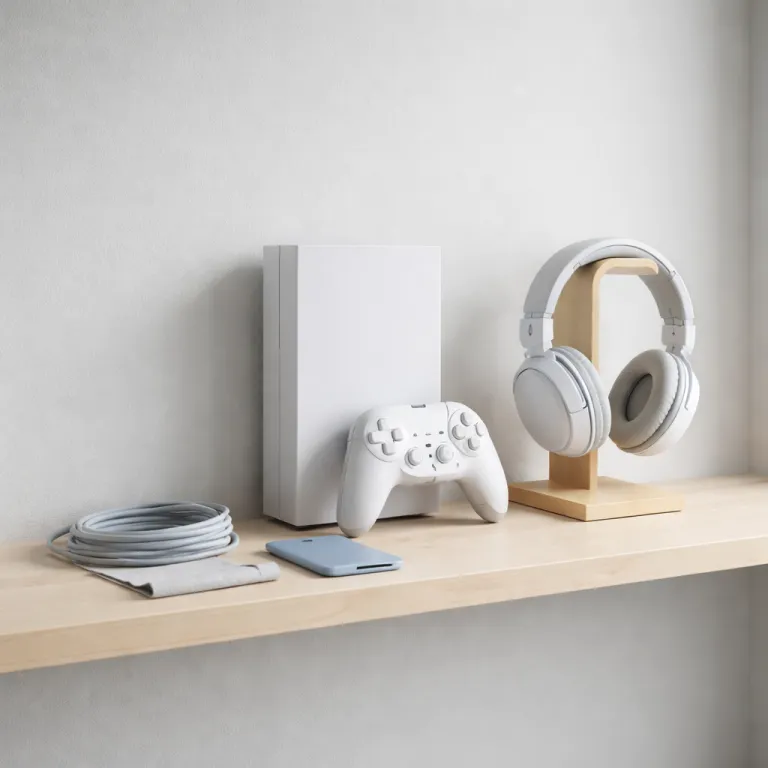
Who the Xbox Series S really suits in the current generation
Whether the Xbox Series S is still worth buying in 2026 is a simple question with a layered answer. Many people returning to console gaming want a compact Xbox that feels truly current generation without needing a premium 4K television or a huge budget. For that audience, Microsoft’s smallest Series Xbox machine often makes more sense than the bigger, more expensive consoles.
This compact digital edition Xbox targets players who care more about games, Game Pass access and quick loading than about raw pixel counts. It runs the same generation of Xbox game releases as the larger Series X, but it usually aims for 1080p to 1440p resolution instead of native 4K. As outlets such as Digital Foundry and Eurogamer have shown in their technical breakdowns of titles like Halo Infinite and Forza Horizon 5, on a 32 to 43 inch bedroom television that resolution range will usually look clean and sharp. If you sit two to three metres away, the difference between the two consoles is far smaller than marketing suggests, especially in fast paced games.
People coming back after owning an Xbox 360 or a PlayStation 4 often feel overwhelmed by talk of teraflops, ray tracing and disc versus digital edition hardware. What actually matters is whether the Xbox Series consoles will run the games you want smoothly, with short loading times and a quiet fan. In that respect, the Series S behaves like a true current generation console, loading big games in seconds and resuming suspended titles almost instantly thanks to its SSD and Quick Resume features.
From a value perspective, the Series S is usually the best deal in the Xbox ecosystem for casual players and families who mainly want an affordable way into modern Xbox games. You pay far less than for a premium edition console, yet you still access the same Xbox game library, the same online services and the same Game Pass catalogue. For many people, that balance of price, performance and access makes the Series S worth buying even as newer consoles and mid‑generation refreshes will continue to appear over the next few years.
Performance, visuals and how the Series S compares to bigger consoles
On paper, the Series S looks underpowered next to the Series X and rival premium consoles. In practice, the smaller Xbox Series machine delivers a surprisingly consistent experience for most games, especially if you play on a 1080p or 1440p screen. Frame rates usually target 60 frames per second, and when developers prioritise performance, the game will feel smooth even if resolution scales dynamically in busy scenes.
When you compare the Series S to a full disc drive edition Series X, the biggest differences are resolution targets, GPU power and storage capacity. The Series X is built for 4K televisions and heavy home cinema setups, and detailed tests from outlets such as Digital Foundry, Eurogamer and Windows Central highlight how that premium console handles 4K textures and higher frame rate modes in demanding Xbox games. The Series S instead focuses on delivering the same generation of games at lower resolutions, which for many people is a smarter deal than chasing numbers they will barely notice on a smaller screen.
Visual compromises do exist, and you should understand them before deciding whether this Xbox console fits your needs. Some games reduce texture quality or crowd density on the Series S, and a few titles cap frame rates at 30 frames per second to stay within the smaller GPU budget and memory limits. If you are the kind of player who pauses a game to count pixels or compare shadow quality between consoles, you will probably prefer a more powerful Series Xbox model or a high‑end gaming PC.
For returning players who mainly want to enjoy modern games with friends, these trade‑offs rarely matter in day‑to‑day play. Online shooters, racing games and sports titles usually prioritise performance modes on all consoles, and the Series S keeps up well in those scenarios. The real‑world experience is that the smaller console will continue to feel fast and responsive for years, even if it never becomes the biggest powerhouse in the living room.
Digital only reality, storage limits and the true cost over time
The most important decision around the Series S is not raw power but its fully digital edition design. This Xbox console has no disc drive, which means every Xbox game you own will be tied to your Microsoft account and stored on internal or external space. For some people that is convenient and modern, for others it changes the entire value calculation compared with older consoles.
Without discs, you cannot buy used games cheaply, lend a game to a friend or resell your library when you move to another generation of consoles. Over a three to five year period, that can make the long‑term deal more complex, because digital games often hold their price longer than physical editions. If you like to wait for deep discounts, the Microsoft Store and third‑party digital retailers still offer strong deals throughout the year, but the flexibility of physical trade‑ins disappears.
Storage is the other biggest constraint on this digital edition hardware. Out of the 512 gigabytes advertised, you get roughly 364 gigabytes of usable space once the operating system and system files are accounted for, a figure confirmed by multiple reviews and benchmarks. Many modern games occupy 40 to 80 gigabytes each, with some premium releases including high resolution assets that push beyond 100 gigabytes. In practice, most people can keep five to eight large games installed at a time before the console starts complaining about space.
Expansion cards solve the problem but change the overall deal. Official Microsoft expansion storage remains more expensive per gigabyte than standard external drives, and once you add a 1 terabyte card, the total cost of your Xbox Series setup approaches that of a more powerful console. Before you buy, think honestly about how many games you like to keep installed at the same time and how often you are willing to manage space, uninstalling older titles to make room for new releases.
Game Pass, subscriptions and long term value for casual players
Where the Series S really shines is its relationship with Xbox Game Pass. For a monthly fee, you gain access to hundreds of games, including first‑party Microsoft releases that arrive on day one, which turns this small console into a powerful sampling machine. For someone asking whether the Series S is still worth buying in 2026, Game Pass is often the deciding factor that tips the deal in its favour.
Game Pass changes how people think about ownership, because you rotate through games instead of building a permanent shelf of boxes. Casual players who only have a few hours of free time each week can try a new Xbox game without worrying about wasting money on something they might not finish. Over a full year, the subscription will continue to feel like a strong deal if you regularly explore new titles rather than sticking to a single multiplayer game all the time.
There is a flip side, and it matters for long‑term planning. If you stop paying for Game Pass, you lose access to the bulk of your library, which can make the value feel different in hindsight if you expected to own everything forever. People who prefer to buy individual digital games during sales might find that a cheaper Game Pass tier or even no subscription at all fits their habits better, especially if they replay the same favourites over many years.
For families, the combination of a relatively low‑cost console and Game Pass often beats buying a premium edition machine with full‑price games. Children can move between different series of titles, from platformers to racing games, without constant new purchases, and parents can set spending limits and screen‑time rules through Microsoft family settings. In that context, the Series S will continue to serve as a flexible, budget‑friendly entry point into the Xbox ecosystem.
How the Series S fits into a multi console home and the wider ecosystem
Many households now run more than one console, and the Series S quietly excels as a second machine. It slips under a bedroom television, in a dorm room or beside a monitor on a small desk, taking up less space than older consoles such as the PlayStation 4 Slim. For people who already own a high‑end console or gaming PC, the Series S becomes a quiet, efficient way to tap into Game Pass and the broader Xbox ecosystem without buying another premium box.
Cross‑save and cross‑progression features mean that your time in games often carries between devices. You can start a game on a powerful PC or a premium console, then continue on the Series S in another room without losing progress, which makes the smaller Xbox Series hardware feel like part of a larger generation‑wide network rather than an isolated budget box. Microsoft has invested heavily in this ecosystem approach, and that strategy will continue to shape how people think about where they play rather than which single console they own.
For returning players, this flexibility reduces the pressure to choose one perfect device. You might keep a Nintendo Switch for portable games, a PlayStation for certain exclusives and a Series S for Game Pass and backward‑compatible Xbox game classics, all coexisting without one console needing to be the biggest or most powerful. In that scenario, the question of whether the Series S is worth buying becomes less about raw specifications and more about how comfortably the console fits into your real life.
When you weigh everything, the Series S is worth buying if you value access, flexibility and price over maximum fidelity. It is not the console for people who obsess over every pixel or demand a disc drive, but it is a smart, modern machine that respects your time and your budget. For many everyday players, that balance matters more than headline‑grabbing specs or marketing slogans, and it is why this small Xbox will continue to have a place in living rooms for years.
FAQ
Is the Xbox Series S powerful enough for new generation games
The Xbox Series S runs the same generation of games as the Series X, but usually at 1080p to 1440p instead of native 4K. Developers sometimes lower texture quality or crowd density, yet performance‑focused modes still deliver smooth gameplay for most titles. For a typical living room or bedroom setup, the experience feels current generation even if it is not the most powerful option in the Xbox family.
How many games fit on the Xbox Series S internal storage
The usable space on the Xbox Series S is roughly 364 gigabytes once system files are taken into account. Most modern games occupy between 40 and 80 gigabytes, so you can usually keep five to eight large titles installed at once before you run out of space. If you like rotating through many games at the same time, an expansion card or external storage becomes almost essential.
Does the lack of a disc drive make the Series S a bad deal
The digital‑only design removes access to used discs, lending and resale, which some players value highly. However, it also simplifies ownership, reduces moving parts and pairs naturally with Xbox Game Pass subscriptions and other digital deals. Whether it feels like a bad deal depends on how much you relied on physical games in previous console generations and how you expect to buy games over the next few years.
Is Game Pass necessary to enjoy the Xbox Series S
Game Pass is not mandatory, but it significantly increases the value of the console over time. Without it, you buy digital games individually, which can still be affordable if you wait for sales and bundles. With Game Pass, you gain a rotating library of hundreds of titles, including many new releases, which suits players who like to sample many different games rather than sticking to a single favourite.
Who should choose a Series X instead of a Series S
Players with a large 4K television, a focus on visual fidelity and a desire for a disc drive should lean toward the Series X. It offers more storage, higher resolution targets and better performance headroom for demanding games that will continue to push hardware later in the generation. Competitive players who want every technical advantage may also prefer the more powerful console, especially if they are sensitive to frame‑rate drops and visual compromises.