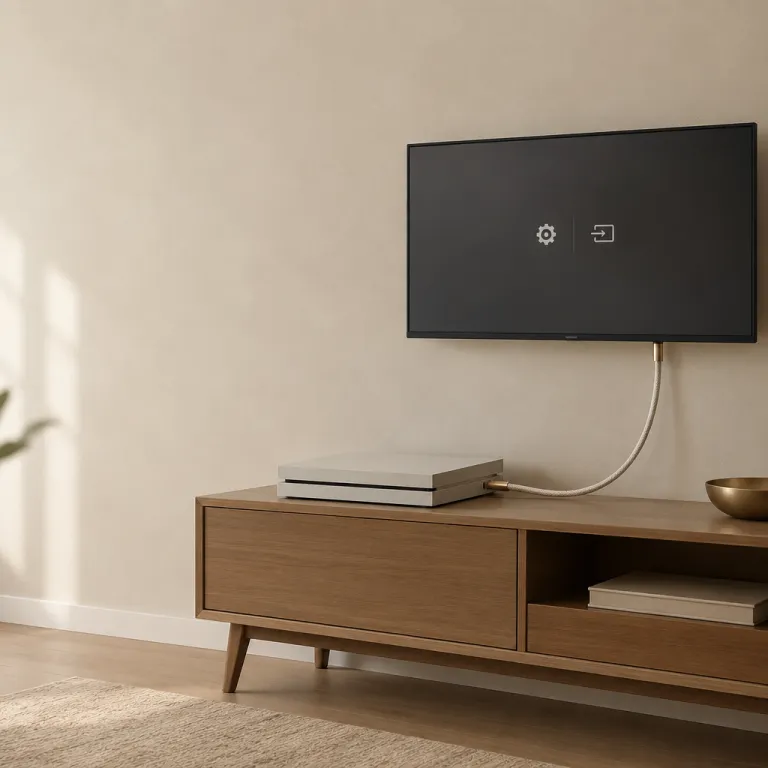
Why a gaming monitor can beat your TV for console play
Most console gaming still happens on big living room TVs today. Yet the best gaming monitor for console 2026 style setups often delivers sharper image quality and lower latency than many mid range televisions. If you care about competitive games and motion clarity more than sheer screen size, a focused gaming monitor can be the best upgrade you buy.
On a desk, a 27 to 32 inch gaming monitor keeps your entire screen in view, which matters when tracking motion in fast shooters or sports games. That screen size also pairs well with common 1440p resolution panels, where the pixel density is high enough that aliasing is reduced without needing a more expensive 4K resolution refresh combo. For a couch setup, a 42 to 48 inch OLED monitor or TV sized OLED panel hits a similar sweet spot, because the size aspect and viewing distance keep text readable while preserving cinematic impact.
Compared with many TVs, dedicated gaming monitors usually offer higher refresh rate support, better overdrive tuning and lower input lag, which together shape perceived performance more than raw resolution numbers. Console players chasing the best gaming experience should keep mind that a clean 120 Hz refresh with stable frame pacing often feels smoother than a choppy 4K mode. When you read best practice guides about esports displays, the same principles apply here, just tuned for console rather than PC.
There is also the question of panel type and processing. Many TVs still add heavy image processing that hurts motion clarity, while modern IPS and OLED gaming monitors prioritize direct signal paths and fast response. If you want the best oled experience for PlayStation or Xbox, a purpose built OLED monitor with console aware presets can be more consistent than a general purpose television.
HDMI 2.1, bandwidth and why labels on the box are not enough
HDMI 2.1 is the backbone of any best gaming monitor for console 2026 focused setup. On paper, HDMI 2.1 enables 4K resolution at a 120 Hz refresh rate, HDR support and Variable Refresh Rate on both PlayStation and Xbox. In practice, not every monitor with an HDMI 2.1 logo offers the full 48 Gbit per second bandwidth that high end gaming demands.
When you plan to buy a new gaming monitor, you need to read best spec sheets carefully and look for explicit bandwidth figures. Some monitors use a cut down HDMI 2.1 implementation that relies on Display Stream Compression, which is fine for most games but can limit color depth or chroma at certain resolution refresh combinations. For console gaming, you want at least one full bandwidth HDMI 2.1 port plus a second high quality HDMI port for another device or future console.
On PlayStation, HDMI 2.1 unlocks 4K at 120 Hz in supported games, while on Xbox Series X it also enables more flexible VRR ranges and Auto Low Latency Mode. If you are evaluating gaming monitors from brands like Asus, MSI or others, check that both HDMI ports support the same refresh rate and VRR features, not just the DisplayPort input. This matters if you later connect a second console or a streaming box that also benefits from smooth motion.
Because HDMI 2.1 also carries audio return and advanced HDR metadata, it can influence how your screen handles HDR tone mapping and color volume. A well implemented HDMI 2.1 gaming monitor will maintain consistent image quality whether you run 4K 60 Hz cinematic games or 120 Hz competitive titles. For players who rely on USB accessories and capture devices, pairing that monitor with a quality USB 3 to USB C adapter for modern gaming consoles, as explained in this guide on choosing the right USB 3 to C adapter for modern gaming consoles, keeps your setup flexible without sacrificing signal integrity.
Response time, motion clarity and the myth of 1 ms
Response time numbers on gaming monitors are some of the most abused specs in gaming marketing. You will see 1 ms plastered across boxes, yet the real world difference between a good 1 ms and a solid 4 ms panel is smaller than many players expect. For console gaming, anything under about 5 ms gray to gray is usually fast enough that motion blur is dominated by the game engine and your own camera movement.
What actually shapes motion clarity is the combination of response time, refresh rate and overdrive tuning. A 144 Hz or 165 Hz gaming monitor with a well balanced overdrive mode can look cleaner in motion than a 240 Hz panel type that smears dark transitions or overshoots with bright halos. When you keep mind that consoles rarely push beyond 120 frames per second, chasing ultra high refresh numbers often brings diminishing returns compared with better HDR, color accuracy and black levels.
On OLED panels, response times are effectively near instant, which gives OLED monitor models a natural edge in motion handling, especially in dark scenes. That is why many players consider the best oled options, such as a 42 inch OLED monitor, to be the best gaming choice for cinematic single player games and late night sessions. However, OLED panel technology also raises concerns about static HUD elements and long term image retention, so you must balance performance with realistic usage patterns.
IPS and VA panel type options still dominate the mid range gaming monitors segment, and they can deliver excellent performance when tuned correctly. An Asus gaming monitor from the TUF line, for example, might list 1 ms MPRT but feel similar in motion to a 4 ms IPS when you test it with real games. If you care about style as much as performance, pairing your display with accessories such as high quality skins for handhelds, as shown in this overview of how PS Portal skins elevate style and protection for serious players, can round out a cohesive gaming setup without affecting technical performance.
VRR, the one setting most players miss on both console and monitor
Variable Refresh Rate, or VRR, is the hidden hero of smooth console gaming. It synchronizes the refresh rate of your gaming monitor with the frame rate of your games, which eliminates screen tearing and reduces stutter when performance fluctuates. Many players buy a best gaming monitor for console 2026 ready setup, then leave VRR disabled in both the console menu and the monitor on screen display.
On PlayStation, VRR must be enabled in the system video output settings, while on Xbox it appears under video modes and can be toggled per display. After that, you still need to dive into your monitor OSD and ensure VRR, FreeSync or G Sync Compatible mode is active, sometimes under gaming or performance submenus. Without this step, your expensive gaming monitors behave like basic screens, locked to a fixed refresh that exposes every frame rate dip as visible judder.
Monitors that support Nvidia Sync or AMD FreeSync over HDMI 2.1 are ideal for console use, because they extend VRR across a wide refresh range. A model like the Asus ROG Swift or Asus ROG Strix often combines VRR with low input lag modes, which together make 40 to 60 frames per second games feel far more responsive. When you read best practice guides from competitive players, they consistently rank VRR above chasing the absolute best oled brightness or peak HDR numbers.
VRR also interacts with resolution refresh trade offs in subtle ways. Some games let you choose between a resolution mode and a performance mode, and with VRR active, the performance mode at 120 Hz often feels dramatically smoother even if the raw image is softer. If you buy a monitor such as the MSI MPG series with strong VRR support, you can lean into these performance modes and still enjoy stable motion clarity and consistent color reproduction.
Size, panel type and resolution: finding the real sweet spot
Screen size is where many console players overreach, chasing the biggest possible screen without thinking about distance. On a desk, a 27 inch or 32 inch gaming monitor keeps UI elements readable while letting your eyes scan the entire screen without fatigue. At typical desk distances of about 70 to 90 cm, a 27 inch 1440p panel offers a crisp image that balances resolution and performance.
For a living room, a 42 inch or 48 inch OLED monitor or TV sized OLED panel hits a strong balance between immersion and clarity at two to three meters. That size aspect works especially well with cinematic games where HDR and deep blacks matter more than raw sharpness, and it is where the best oled models from brands like LG and Asus ROG shine. If you sit farther back, you gain presence but lose the fine detail advantage of 4K resolution, which makes chasing the highest pixel count less critical than many marketing claims suggest.
Panel type also shapes your experience more than many spec sheets admit. IPS panels bring wide viewing angles and accurate color, VA panels offer stronger native contrast and deeper blacks, while OLED panels combine both strengths with near perfect black levels and instant response. For competitive console gaming, a fast IPS gaming monitor with a 1440p resolution refresh combination and a 120 Hz or 165 Hz refresh rate often hits the best gaming balance of clarity, speed and price.
Budget tiers map cleanly onto these choices. Around 250 dollars, you are looking at 24 to 27 inch 1080p IPS gaming monitors with 144 Hz refresh and solid motion clarity, which are ideal for competitive players who sit close. At roughly 400 dollars, 27 inch 1440p monitors such as the MSI MPG Artymis or Asus ROG Strix lines add better HDR, richer color and more flexible aspect ratio options, while 700 dollars and above opens the door to 42 inch 4K OLED panels and premium models like the Asus ROG Swift OLED that target enthusiasts.
Specific models, ecosystems and essential accessories to buy
Once you understand HDMI 2.1, response time, VRR and panel type, choosing actual models becomes less overwhelming. In the Asus ROG family, the ROG Swift OLED series stands out for console players who want the best oled experience with deep blacks, fast response and strong HDR performance. The ROG Strix XG and VG lines, by contrast, focus on fast IPS panels with 1440p resolution refresh combinations that suit competitive gaming on PlayStation and Xbox.
MSI’s MPG series offers compelling gaming monitors that mix aggressive styling with practical features like rear USB hubs, console friendly HDMI 2.1 ports and flexible stands. A 27 inch MSI MPG 1440p gaming monitor with a 165 Hz refresh rate and Nvidia Sync compatible VRR can be a smart buy for players who split time between console and PC. If you prefer a more understated design, some non ROG Asus monitors still deliver excellent performance without the extra RGB lighting or premium pricing.
Accessories also matter when you build a best gaming monitor for console 2026 oriented setup. A reliable HDMI 2.1 cable rated for 48 Gbit per second, a sturdy desk mount for precise screen size positioning and a quality USB hub for controllers and headsets all contribute to a smoother daily experience. For players invested in the Xbox ecosystem, it is worth reading deeper analyses such as this look at whether the Xbox Series X ecosystem is still worth buying into, because your choice of console can influence which monitor features, like VRR ranges or HDR formats, you should prioritize.
In the PlayStation ecosystem, where cinematic single player games and strong HDR support are common, prioritizing an OLED panel or a high end IPS with excellent HDR tone mapping can pay off more than chasing the absolute highest refresh rate. Competitive players who grind ranked modes may still favor a smaller 1080p or 1440p gaming monitor with a 120 Hz or 144 Hz refresh, where motion clarity and low latency trump raw resolution. Whatever you choose, keep mind that the best gaming setup is the one that fits your room, your games and your actual habits, not just the spec sheet.
Key figures and market statistics for console gaming monitors
- According to IDC, global gaming monitor shipments passed 20 million units recently, reflecting a steady shift from traditional TVs toward dedicated gaming screens for both PC and console players.
- Data from NPD Group shows that more than 60 percent of current generation console owners in the United States still play primarily on a television, leaving a large opportunity for performance focused upgrades with gaming monitors.
- Display industry reports from Omdia indicate that OLED panels represented under 5 percent of total monitor shipments but captured a far higher share of revenue, highlighting the price premium attached to best oled and OLED monitor models.
- Surveys of competitive console players by esports organizations suggest that over 70 percent of ranked and tournament focused users prefer 24 to 27 inch screens, confirming that moderate screen size and high refresh rate often beat sheer diagonal for performance.
- Consumer testing labs such as Rtings have measured that enabling VRR on compatible monitors can reduce visible stutter by more than half in fluctuating frame rate scenarios, which explains why VRR is increasingly seen as a must have feature for serious console gaming.
FAQ: choosing the right gaming monitor for console
Is 4K always better than 1440p for console gaming monitors ?
4K is not always better than 1440p for console gaming monitors, especially at 27 inch screen sizes. Many PlayStation and Xbox games render internally around 1440p and upscale, so a native 1440p gaming monitor can look very sharp while being easier to drive at a 120 Hz refresh rate. If you sit close to a 27 inch or 32 inch screen, 1440p often offers the best balance of clarity, performance and price.
Do I really need HDMI 2.1 on a gaming monitor for PlayStation or Xbox ?
HDMI 2.1 is strongly recommended if you want 4K at 120 Hz, VRR and the full feature set of current generation consoles. Without HDMI 2.1, you are usually limited to 4K at 60 Hz or 1080p at 120 Hz, which can restrict how you use performance modes in games. For players focused on competitive titles at 120 Hz, HDMI 2.1 support on the monitor is one of the most important specs to check.
Is OLED worth the price premium for console gaming ?
OLED is worth the premium if you value deep blacks, infinite contrast and near instant response times for both cinematic and competitive games. An OLED monitor or TV sized OLED panel delivers exceptional HDR and motion clarity, which makes story driven titles and dark scenes look dramatically better than on many LCD panels. However, you should consider potential image retention risks and higher prices, and weigh them against how long you typically keep a display.
What is the best screen size for a desk based console setup ?
For a desk based console setup, 27 to 32 inches is usually the sweet spot. At typical desk distances, a 27 inch 1440p gaming monitor offers excellent sharpness, while 32 inch models provide a more immersive feel without forcing excessive head movement. Larger screens can work if you sit farther back, but they often push you into TV territory rather than focused desk gaming.
How important is VRR compared with response time and input lag ?
VRR is at least as important as raw response time and input lag for console gaming, because it directly addresses stutter and tearing when frame rates fluctuate. A monitor with solid but not extreme response times, low input lag and wide range VRR will usually feel smoother than a faster panel locked to a fixed refresh. For most players, enabling VRR on both the console and the monitor is one of the highest impact tweaks they can make.