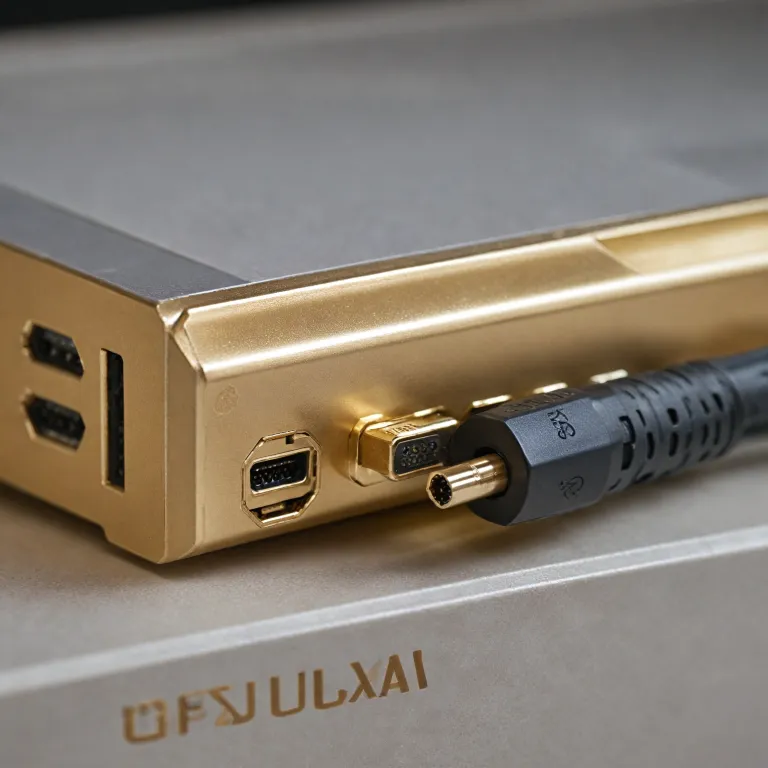
Understanding HDMI to HDMI connections for modern gaming consoles
Every gaming console relies on a stable HDMI to HDMI connection for sharp images. When you select an HDMI cable for a console, you are really choosing how reliably video and audio signals reach your television or monitor. A good understanding of each HDMI type helps you avoid random black screens and frustrating signal drops.
Modern consoles output high resolution video that demands high speed HDMI cables. These HDMI cables must match the HDMI specification supported by both the console HDMI port and the display HDMI port to unlock features such as HDR, variable refresh rate, and low latency modes. If the cable standard is too old, the product may still work but you will not reach the maximum color depth or frame rate.
Most players use a standard HDMI cable, but mini HDMI and micro HDMI connectors still appear on handheld devices and capture cards. You must always match the connector shape on both devices, or use a certified adapter that preserves video audio quality without adding noise. When you mix HDMI type variants, check that the adapter and cables are certified for the required gbps bandwidth.
For living room setups, a premium high speed HDMI cord with an ultra high bandwidth rating is usually the safest choice. These cable high options handle demanding 4K signals and advanced audio return features from soundbars or AV receivers. Before buying, verify that the number printed on the packaging for supported gbps matches your console requirements.
Choosing the right HDMI standard and speed for console performance
Console gamers often underestimate how much the HDMI standard affects responsiveness. A high speed HDMI cable can carry more data than an older standard HDMI cable, which directly influences maximum resolution, refresh rate, and color depth. When you pair a modern console with a capable monitor or television, the weakest HDMI to HDMI link will limit the entire chain.
Look for certified HDMI cables that clearly state their speed hdmi category and supported gbps throughput. For example, a premium high speed product is designed for demanding video audio formats, while an ultra high speed HDMI cable targets the most advanced gaming features. If the label only mentions generic high speed without a number, you should be cautious about using it for competitive gaming.
Some portable consoles and capture devices use mini HDMI or micro HDMI connectors, which require matching mini HDMI cables or adapters. These smaller cables must still respect the same HDMI specification as full size HDMI cables, otherwise the display may downgrade to a lower resolution. Always confirm that the cable high rating and connector type are compatible with both the console and the monitor.
When you read technical sheets, pay attention to the HDMI type and whether the device is HDMI enabled for features such as audio return channel. This matters if you route audio through a soundbar instead of the television speakers, because the audio return feature depends on both devices and the cable. For more context on how demanding games stress display pipelines, you can review this detailed guide on the Stellar Blade experience on Steam.
HDMI connectors, adapters, and cable management in gaming setups
Physical connectors are often overlooked, yet they are critical to HDMI to HDMI reliability. A loose HDMI connector or damaged HDMI port can cause intermittent video drops, even when the cable standard and speed are correct. Inspect both the console and monitor ports regularly, especially if you frequently move the devices.
Full size HDMI cables dominate living room consoles, while mini HDMI and micro HDMI connectors appear on cameras, handhelds, and some niche gaming devices. When you combine these with adapters, choose certified products that maintain high speed performance and respect the HDMI specification. Poor quality adapters may reduce color depth or introduce noise into the video audio signal.
Cable management also influences long term reliability, because sharp bends can damage the internal conductors of an HDMI cord. Keep the number of tight turns low and avoid crushing cables behind furniture, particularly with ultra high speed HDMI cables that carry higher gbps signals. A well routed cable high path reduces strain on each connector and helps maintain a good contact surface.
Advanced users sometimes integrate HDMI with other technologies such as DisplayPort HDMI adapters for multi monitor gaming PCs. In these cases, verify that every product in the chain is HDMI enabled and compatible with the console output format. For enthusiasts interested in broader hardware setups, this review of a high speed 3D printer illustrates how precision hardware design parallels the demands of stable gaming connections.
Optimizing HDMI to HDMI settings for picture quality and color depth
Once the physical HDMI to HDMI link is stable, console settings determine final image quality. In the system menu, you can usually select resolution, refresh rate, and color depth to match the capabilities of your monitor or television. Using an HDMI cable that supports the required gbps is essential, otherwise the console may silently reduce quality.
High speed and ultra high speed HDMI cables allow consoles to output richer color depth and advanced HDR formats. When both the console and display are HDMI enabled for these features, you gain more detailed shadows, brighter highlights, and smoother gradients. If the product description of your cable high option does not mention HDR or premium high speed, it may still work but limit these enhancements.
Audio settings also rely on the HDMI specification, especially when using audio return channel with soundbars or AV receivers. Ensure that the HDMI port on the television supports audio return and that the HDMI type on the console is compatible with this feature. A certified HDMI cord reduces the risk of audio dropouts when video audio data share the same connection.
Some players experiment with DisplayPort HDMI adapters to connect consoles to high refresh rate gaming monitors. While this can be effective, the number of supported modes depends on both the adapter and the monitor firmware. For complex setups that mix multiple devices and cables, a structured approach similar to a step by step controller connection guide helps you test each component methodically.
Regional considerations, certification, and reliability for HDMI products
Availability and labeling of HDMI cables can vary between regions, including the United States and other markets. In some countries, regulations require clearer labeling of HDMI standard, speed hdmi category, and supported gbps, which helps consumers choose the right product. When shopping online, always compare the number of certifications listed with the claims about high speed or ultra high speed performance.
Certified HDMI cables undergo testing to verify that they meet the HDMI specification for bandwidth, signal integrity, and compatibility. This is particularly important for gaming consoles that push high resolution video audio streams at demanding frame rates. A premium high speed HDMI cable may cost slightly more, but it usually offers better long term reliability than unbranded cables.
Mini HDMI and micro HDMI products are more common in portable devices, and their smaller connectors can be more fragile. Using strain relief clips or routing the HDMI cord carefully reduces stress on these connectors and helps maintain a good contact surface. When you replace these cables, confirm that the new mini HDMI or micro HDMI cables match the required standard HDMI features of your console dock or adapter.
Retailers sometimes market cable high options with exaggerated claims about picture quality improvements beyond the HDMI specification. In reality, once an HDMI to HDMI connection meets the required gbps and passes certification, additional marketing terms do not change the digital signal. Focus on verified certifications, appropriate HDMI type, and compatibility with your monitor or television rather than purely promotional language.
Future proofing your gaming console setup with HDMI to HDMI choices
Planning ahead with your HDMI to HDMI purchases can save money and frustration. When you buy a new console or monitor, consider how future games may use higher resolutions, frame rates, or advanced color depth features. Selecting an ultra high speed HDMI cable today can keep your setup ready for these demands without another upgrade.
Think about the number of devices you will connect, including consoles, streaming boxes, and possibly a gaming PC. Using certified HDMI cables for every link in the chain ensures consistent performance, especially when switching inputs on a shared monitor or television. If you rely on audio return through a soundbar, verify that each HDMI port in the system supports the necessary HDMI specification.
For portable or secondary screens, mini HDMI and micro HDMI connections remain relevant, particularly with handheld consoles and compact displays. Matching each HDMI type with the correct cable high rating prevents unexpected downgrades in video audio quality. Keeping a small set of labeled HDMI cables and adapters helps you quickly reconfigure your gaming area without confusion.
As gaming ecosystems evolve, DisplayPort HDMI adapters and hybrid solutions may become more common in mixed console and PC environments. Regardless of the technology mix, the core principles remain the same, namely sufficient gbps bandwidth, certified products, and good physical connector care. By treating HDMI cables as essential components rather than afterthought accessories, you maintain a stable, high quality gaming experience across all your devices.
Key statistics about HDMI performance in gaming
- Upgrading from an older standard HDMI cable to a certified high speed model can significantly reduce signal dropouts at higher resolutions.
- Using an ultra high speed HDMI cable is generally recommended when targeting 4K gaming with advanced HDR and high frame rates.
- Proper cable management that avoids sharp bends can extend the functional lifespan of HDMI cables by a notable margin.
- Matching HDMI type and connector size, including mini HDMI and micro HDMI, reduces the risk of physical damage to console and monitor ports.
Common questions about HDMI to HDMI gaming console connections
How important is the HDMI cable for console gaming performance ?
The HDMI cable is crucial because it carries both video and audio between the console and the display. If the cable does not meet the required HDMI specification or speed category, the console may lower resolution, reduce color depth, or experience intermittent signal loss. A certified high speed or ultra high speed HDMI cable ensures that the connection can handle demanding gaming workloads.
Do I need an ultra high speed HDMI cable for every console ?
You only need an ultra high speed HDMI cable if your console and monitor support features that require very high bandwidth. For many older or less demanding setups, a certified high speed HDMI cable is sufficient and cost effective. However, choosing ultra high speed can help future proof your system if you plan to upgrade hardware later.
What is the difference between standard HDMI, mini HDMI, and micro HDMI connectors ?
Standard HDMI is the full size connector commonly found on televisions, monitors, and home consoles. Mini HDMI and micro HDMI are smaller versions used on portable devices, cameras, and some handheld gaming systems. All three can support similar HDMI specifications, but you must use the correct connector size or a reliable adapter to avoid damage and maintain signal quality.
Can I use DisplayPort HDMI adapters with my console ?
DisplayPort HDMI adapters can work when connecting a console to a monitor that lacks the appropriate HDMI port. The success of this setup depends on the adapter quality, supported HDMI type, and the monitor firmware. Always check that the adapter supports the resolution, refresh rate, and color depth you intend to use for gaming.
How long can an HDMI cable be without losing quality ?
Shorter HDMI cables generally maintain signal integrity more easily, especially at high resolutions and frame rates. For longer distances, you may need active HDMI cables or signal boosters that comply with the relevant HDMI specification. Exceeding recommended lengths with passive cables can lead to flickering, dropouts, or reduced maximum resolution on your gaming console.