
Understanding the gameplay mechanics of Phantom Hourglass
Core Adventure Elements in Phantom Hourglass
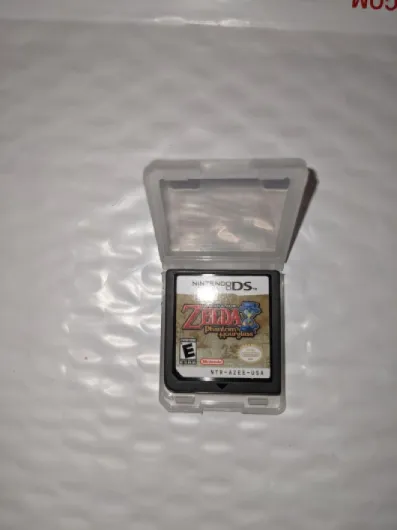
The Legend of Zelda: Phantom Hourglass on Nintendo DS stands out in the world of video games for its unique approach to gameplay. Unlike previous entries in the Zelda series, this title fully embraces the DS’s touch screen, making the stylus an essential tool for controlling Link and navigating the game’s world. Players guide Link across the ocean king’s waters, solve puzzles, and battle enemies, all with intuitive stylus gestures. This hands-on interaction brings a fresh feel to the classic Zelda formula, making it one of the best games for the system.
Puzzle Solving and Exploration
Exploration is at the heart of Zelda Phantom Hourglass. The game features a mix of traditional dungeons and the central temple, where players must manage the mystical hourglass to avoid danger. The cel shaded graphics, reminiscent of Wind Waker, create a vibrant world that encourages curiosity. Players encounter a variety of puzzles, from drawing paths for boomerangs to charting courses for their ship. The game’s design rewards creative thinking and experimentation, making each discovery feel earned.
Progression and Replay Value
As you play, you’ll collect items and upgrades that open new areas and secrets. The shipping aspect—sailing between islands—adds a sense of adventure and freedom. For those interested in how component cable switches can affect your gaming experience, check out this detailed guide on gaming console connections. These technical details can enhance your appreciation for how the Nintendo DS delivers such a smooth experience with Phantom Hourglass.
- Touch-based controls make the game accessible and engaging
- Exploration is driven by curiosity and puzzle-solving
- Replay value is boosted by hidden collectibles and secrets
Overall, Phantom Hourglass offers a great blend of classic Zelda elements and innovative mechanics, making it a good choice for both newcomers and longtime fans of Nintendo games.

How Phantom Hourglass uses the Nintendo DS hardware
Innovative Use of Dual Screens and Touch Controls
One of the standout features of Phantom Hourglass is how it takes full advantage of the Nintendo DS hardware. The game uses both screens in a way that feels natural and immersive. The top screen typically displays the map or important information, while the bottom screen is where most of the action happens. Players use the stylus to control Link, draw paths for the boomerang, and solve puzzles, making the experience feel interactive and fresh compared to previous Zelda titles.
- Touchscreen navigation: Movement and combat are handled almost entirely with the stylus, allowing for precise control and unique gameplay moments.
- Microphone integration: Certain puzzles require players to blow or shout into the DS microphone, adding another layer of interactivity.
- Dual screen map management: Marking notes directly on the map helps when exploring dungeons like the Temple of the Ocean King.
Enhancing the Zelda Experience on DS
By leveraging the DS’s unique features, Zelda Phantom Hourglass stands out among Nintendo games. The cel-shaded graphics look great on the handheld, and the hardware’s capabilities make the adventure feel both original and familiar for fans of the Zelda series. The game’s use of the stylus and microphone was considered innovative at the time of release, and it still feels good to play today, especially for those who enjoy interactive video games.
For those interested in enhancing their handheld gaming experience, you might want to explore ways to personalize your Nintendo devices.
Why Hardware Matters in Phantom Hourglass
Unlike many other video game titles, Phantom Hourglass could not exist in the same form on other platforms. The DS’s hardware is not just a backdrop; it’s central to the game’s design. This approach helped the game earn its place among the best games on the system, and it’s a big reason why it’s still remembered as a great entry in the Zelda franchise. Whether you’re in the United States or elsewhere, the unique controls and features make this Nintendo game a must-play for fans of adventure and innovation.
Tips for new players starting Phantom Hourglass on Nintendo DS
Getting Started with the Stylus and Touch Controls
Phantom Hourglass stands out among Zelda games for its unique use of the Nintendo DS stylus. Instead of traditional button controls, players guide Link by drawing paths and tapping the screen. This approach may feel unusual if you’re used to other Nintendo games, but it quickly becomes intuitive. For new players, practicing basic movement and sword attacks with the stylus is essential. Try tracing short lines to slash enemies and experiment with different gestures to master Link’s abilities.
Early Game Tips for Success
- Always keep your stylus handy. The entire adventure, from exploring dungeons to solving puzzles, relies on touch controls.
- Pay attention to the map feature. You can draw notes directly onto your map, which is especially helpful in the Temple of the Ocean King and other complex areas.
- Use the microphone feature when prompted. Some puzzles require you to blow or shout into the DS, adding a layer of interactivity not found in most video games.
- Save often. The game allows you to save at almost any time, which is useful if you’re experimenting with new strategies or exploring unfamiliar areas.
Making the Most of Your Adventure
Phantom Hourglass is designed to be accessible, but it rewards curiosity. Explore every corner of the map, talk to NPCs, and try out different items as soon as you get them. The game’s cel-shaded visuals and oceanic setting, inspired by Wind Waker, create a vibrant world that encourages exploration. If you’re interested in customizing your overall gaming experience, check out this guide on how to personalize your gaming experience.
Common Mistakes to Avoid
- Rushing through the Temple of the Ocean King. Take your time to find shortcuts and collect hourglass sand to extend your time limit.
- Ignoring side quests and collectibles. These often reward you with upgrades and make the main quest easier.
- Forgetting to use the map. Marking important locations and clues can save you time and frustration later.
With these tips, new players can enjoy a smoother start in Zelda Phantom Hourglass, making the most of what many consider one of the best Nintendo DS games. The combination of stylus controls, clever puzzles, and the legendary Zelda charm makes this title a must-play for fans of the series and newcomers alike.
Comparing Phantom Hourglass to other Zelda games on Nintendo consoles
How Phantom Hourglass Stands Out in the Zelda Series
When comparing Phantom Hourglass to other Zelda games on Nintendo consoles, several unique features come to light. The game builds on the legacy of the Zelda series but introduces fresh mechanics and a distinct visual style that set it apart from its predecessors and successors.
- Touch controls: Unlike traditional Zelda games that rely on button inputs, Phantom Hourglass uses the Nintendo DS stylus for movement, combat, and puzzle-solving. This makes the gameplay feel more interactive and modern for its time.
- Cel-shaded graphics: The cel shaded art style, first seen in Wind Waker on the GameCube, returns in Phantom Hourglass. The visuals are bright and colorful, which fits the adventurous tone and appeals to both new and longtime fans of the legend.
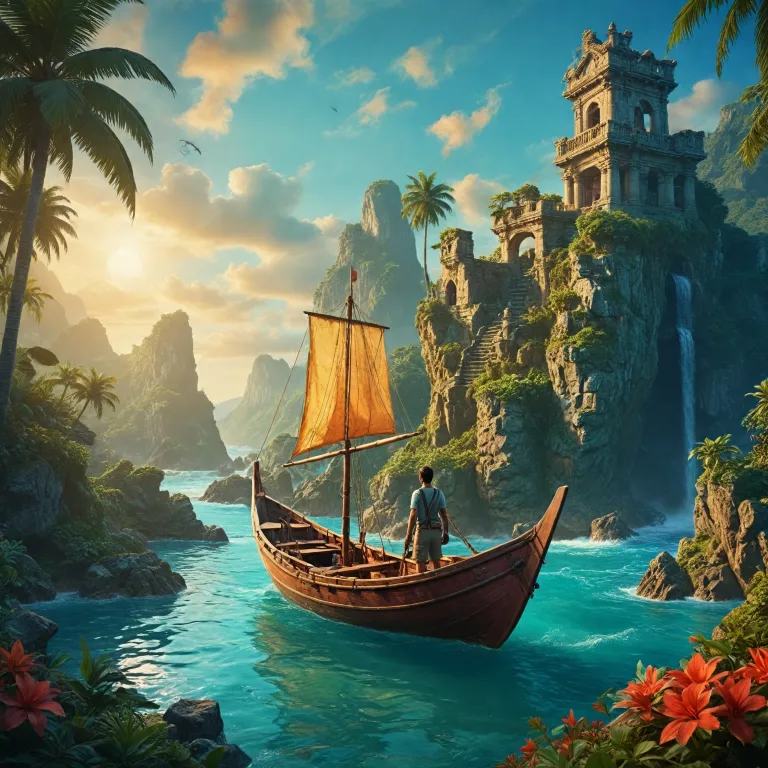
- Ocean exploration: The game continues the nautical theme from Wind Waker, letting players navigate the seas, discover islands, and chart their own course. This sense of freedom is a highlight among Nintendo games.
- The Temple of the Ocean King: A central dungeon that players revisit multiple times, each with new abilities and shortcuts. This structure encourages strategic planning and mastery of the game's mechanics.
Comparing to Other Nintendo Zelda Titles
While earlier Zelda titles on Nintendo consoles like the Game Boy or Super Nintendo focused on traditional controls and linear progression, Phantom Hourglass leverages the DS hardware for a more tactile experience. The use of the stylus for drawing paths, solving puzzles, and even charting maps is a major shift from the button-based gameplay of previous video games in the series.
In terms of story, Phantom Hourglass is a direct sequel to Wind Waker, continuing the adventures of Link in a world filled with mystery and exploration. This connection strengthens its place within the broader legend zelda timeline and offers fans a sense of continuity.
- Accessibility: The touch controls make it easy for newcomers to pick up and play, while still offering depth for experienced players.
- Replay value: The abundance of collectibles, secrets, and side quests ensures that players have plenty to discover beyond the main story.
Overall, Phantom Hourglass is often considered one of the best Nintendo DS games for its innovative use of hardware and its engaging take on the Zelda formula. Its influence can be seen in later Nintendo game design, and it remains a good entry point for those new to the zelda series or looking for a great adventure on the go.
The impact of Phantom Hourglass on the Nintendo DS library
Phantom Hourglass and Its Place Among Nintendo DS Classics
When discussing the best games for the Nintendo DS, Phantom Hourglass often comes up as a standout title. Released in October in the United States, this entry in the Zelda series brought the legendary adventure of Link to a new generation of players. Its unique use of the DS hardware, especially the stylus controls and dual screens, set it apart from other video games of its time. Phantom Hourglass was not just another Zelda game—it was a key part of the DS library that showcased what the system could do. The cel shaded graphics and touch-based gameplay offered an original experience, making it one of the most memorable Nintendo games for fans of the series. The game’s shipping and release were met with high anticipation, and many players considered it a verified purchase for anyone looking to explore the world of Nintendo legend.- It continued the story from Wind Waker, connecting fans to the broader Zelda universe.
- The ocean king temple and hourglass mechanics introduced new challenges not seen in previous Zelda games.
- Its creative use of the DS stylus made it a great example of how Nintendo could innovate with their hardware.
Collectibles and secrets in Phantom Hourglass
Hidden treasures and rare finds in the world of Phantom Hourglass
Exploring the vast ocean in Zelda: Phantom Hourglass on the Nintendo DS is more than just following the main quest. The game is packed with collectibles, secrets, and hidden challenges that reward curious players. These elements add replay value and make the adventure feel richer, especially for fans of the Zelda series who enjoy uncovering every secret.- Spirit Gems: Scattered across islands and dungeons, these gems come in three types—Power, Wisdom, and Courage. Collecting enough of each unlocks upgrades for Link's abilities, making him stronger in battles and puzzles.
- Ship Parts: One of the unique features in this Nintendo game is customizing your ship. By finding or winning ship parts, you can change the look and performance of your vessel. Some rare parts are only available through mini-games or trading, so keep an eye out during your travels.
- Treasure Maps and Sunken Chests: Using the stylus, you can mark locations on your sea chart where treasures are buried. Salvaging these chests often rewards you with rupees, ship parts, or even rare collectibles. The thrill of discovery is a big part of what makes this video game so engaging.
- Heart Containers: As in other Zelda games, increasing your health is crucial. Heart Containers and Pieces of Heart are hidden in secret spots, behind puzzles, or as rewards for side quests. Finding them all is a classic challenge for completionists.
- Secret Islands and Mini-Games: The ocean is dotted with hidden islands offering unique challenges, puzzles, and mini-games. These often lead to special rewards and are a great way to test your skills with the DS stylus controls.
